A second case was reported in a quarantined contact. Health teams are tracing contacts; the available information does not show wider spread in Kenya.
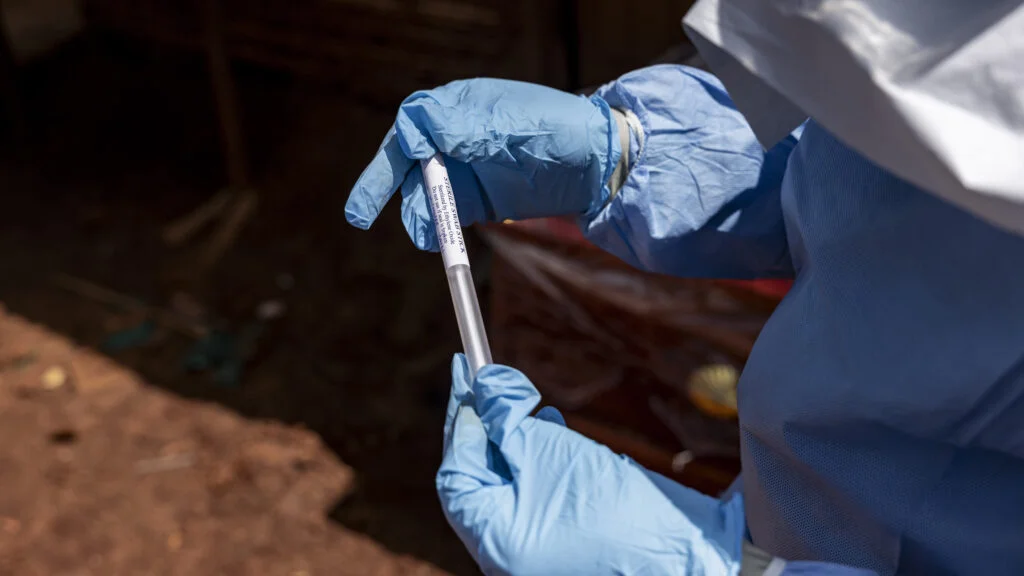
Kenya has reported a second Ebola case, but the information available points to a known contact being identified while already in quarantine. The 39-year-old man is a relative of the first patient, and symptoms appeared during isolation, according to Kenya’s Ministry of Health. That timing may help limit further exposure, though contact tracing for the second case has only just begun.
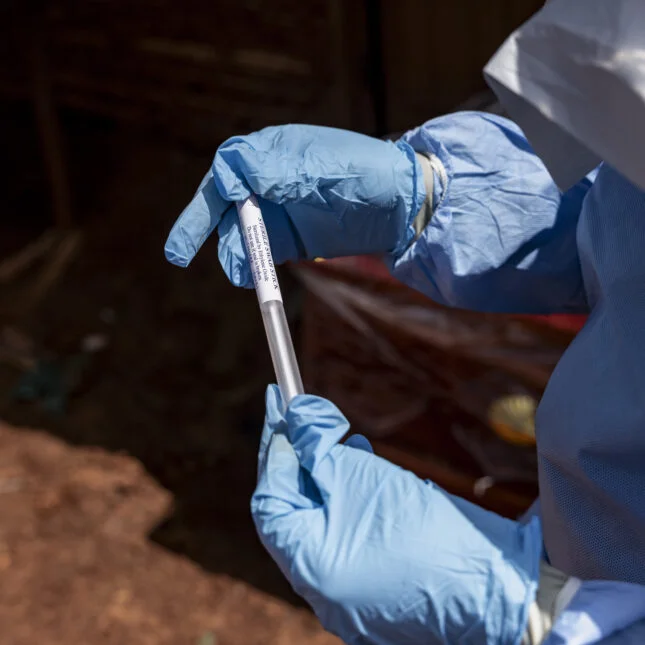
A World Health Organization representative said Wednesday there was no evidence of an Ebola outbreak in Kenya. That assessment sits alongside an active investigation: health teams are identifying people who may have had contact with the second patient and monitoring the earlier case’s contacts. A second confirmed infection warrants close attention, but it does not by itself establish that the virus is spreading more broadly in the country.
What is known about the cases
The first patient was a Kenyan citizen who had been living in Congo. He contracted Ebola there and died earlier this month. Kenyan health authorities identified 128 people who had been in contact with him. Of those, 108 were in quarantine, five had left Kenya, and 15 had not been located at the time of the report. The second patient was a relative of the first and was already quarantined when he developed symptoms.

Those figures describe the tracing effort around the first patient; they do not establish how many people were exposed to the second. Tracing for his contacts has now started. The available report does not give details about his condition, when symptoms began, or whether anyone he had contact with has become ill. Those facts matter when assessing whether infections remain linked to the first case or whether transmission is occurring beyond the identified contacts.
Quarantine and contact tracing are used to monitor people who may have been exposed and to identify illness promptly. When a person develops symptoms while in quarantine, health teams can assess the risk to others based on where that person stayed, who had contact with them, and what precautions were in place. The source does not provide those details for this case, so it is too soon to draw conclusions about how much the isolation reduced possible exposure.
Kenya and Congo are different parts of the picture
The report described a much larger outbreak in Congo, with more than 9,000 cases and over 4,000 deaths. It characterized the outbreak there as one of the fastest-growing Ebola outbreaks on record and said efforts to contain it had been difficult. Those figures provide regional context, but they should not be read as a measure of spread within Kenya. The two cases reported in Kenya are being investigated separately through contact tracing.
The link between the first Kenyan case and Congo helps explain why health teams are looking closely at the patients’ contacts. It does not establish that the same pattern of spread is occurring in Kenya. The distinction is useful for readers: a serious outbreak in one country and a small number of linked cases in another are related developments, but they describe different situations.
What to watch next
The next useful updates would clarify the second patient’s clinical course, the number of people identified through his contact tracing, and whether any of those contacts develop symptoms. Updates on the 15 people who had not been located after the first case would also help explain how much of the initial tracing work has been completed. The report does not say whether those people have since been found.
For now, the reported facts support a measured reading: Kenya has a second case connected to the first, and the patient was already in quarantine when symptoms appeared. A World Health Organization representative said there was no evidence of an outbreak in Kenya, while tracing continues. The situation could become clearer as health teams assess contacts and release further information; the current account does not establish wider transmission.
People seeking personal guidance about possible exposure should speak with a health professional and follow current advice from local health services. The case report alone cannot determine an individual’s risk, which depends on the nature and timing of contact. For the broader picture, the key indicators are whether new cases emerge among traced contacts and whether health teams can locate and monitor those who may have been exposed.