Repurposed gas pipes offer cover from drones but expose troops to close-range combat. Ukraine says it has regained about nine miles of the network.
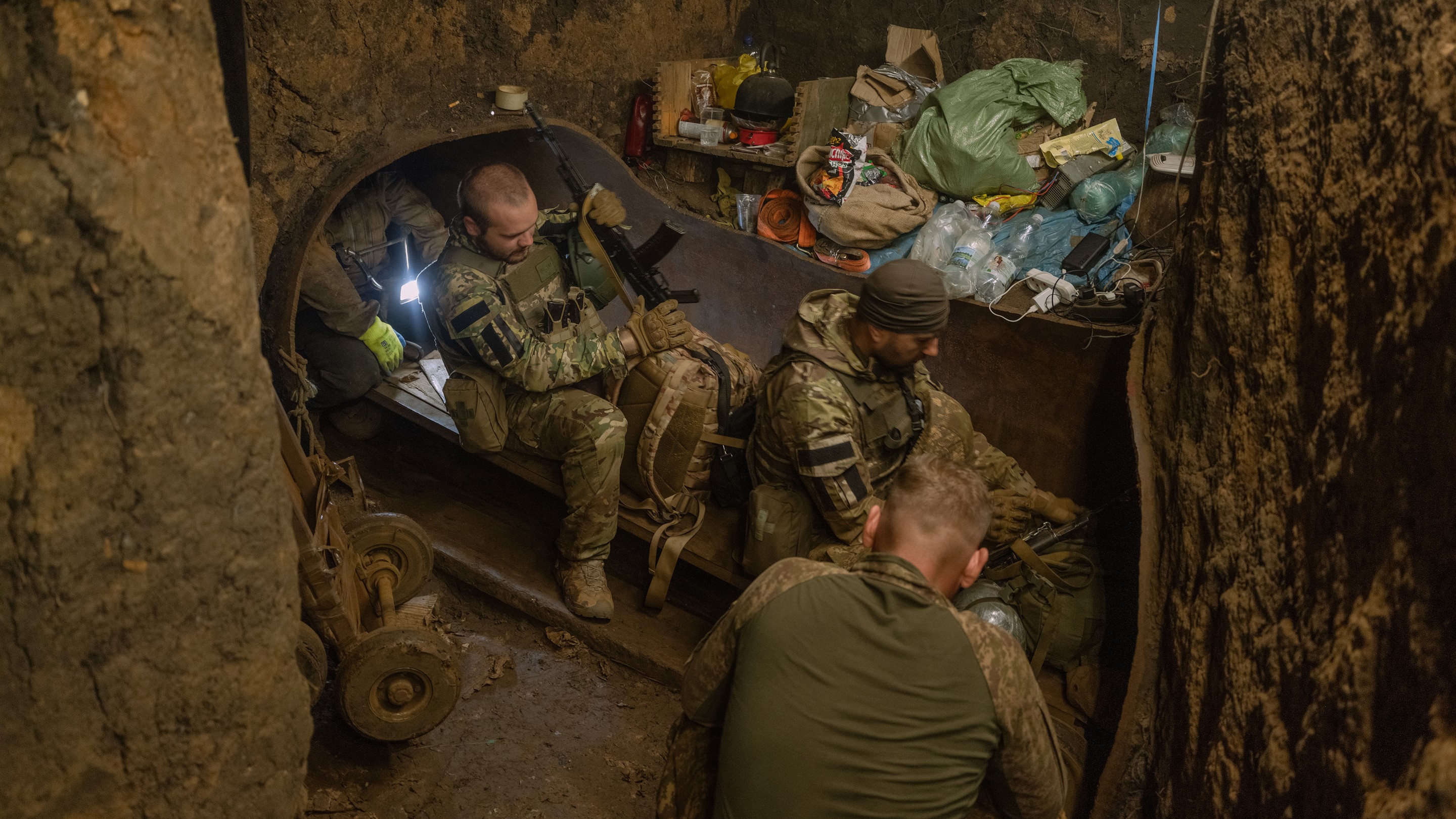
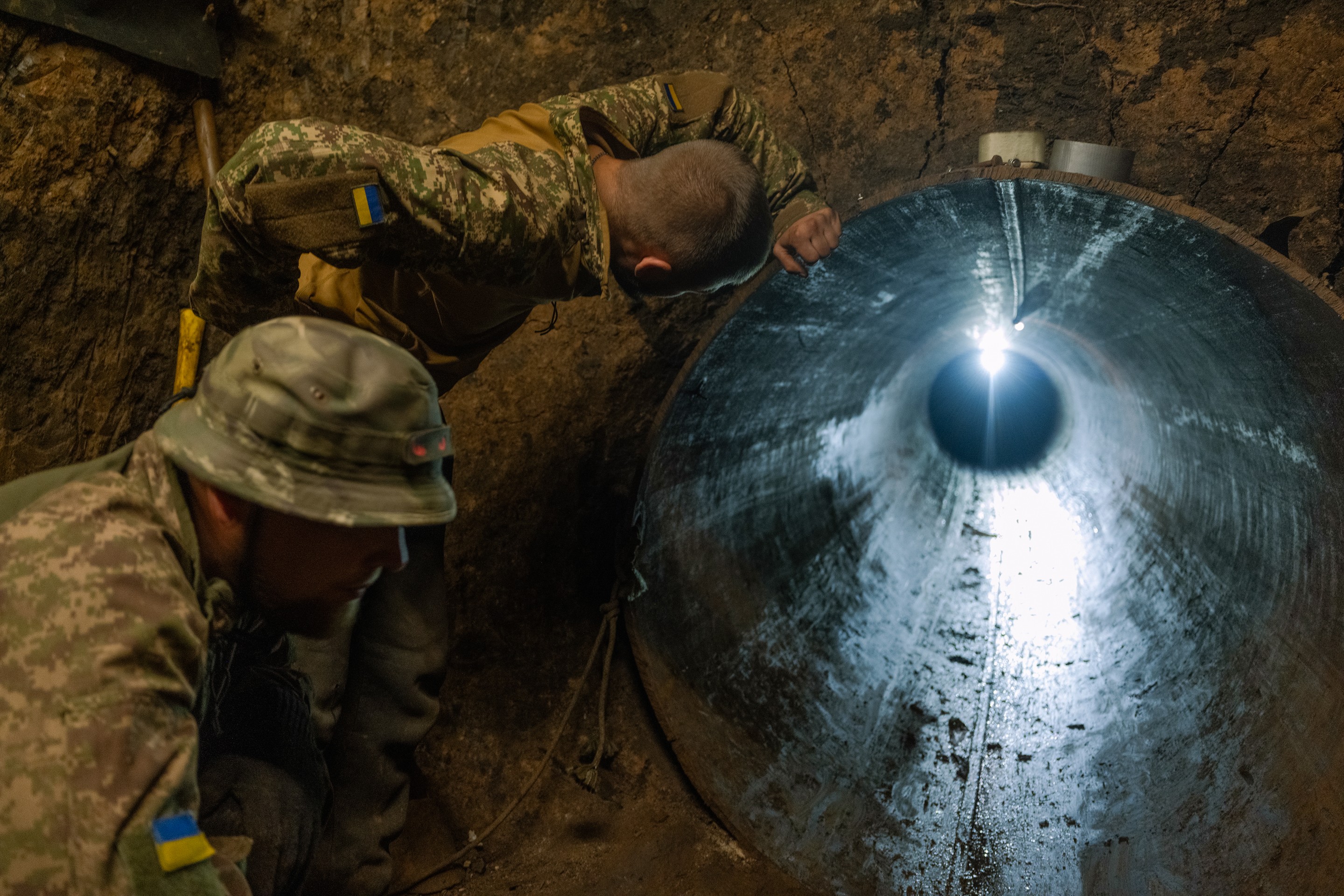
Steel gas pipes now serve as a route through the drone watched front in Ukraine. Their narrow interiors shelter troops from aerial surveillance, but turn any encounter into close-range combat in a confined metal tube. Ukrainian forces say they have regained about nine miles of pipeline in the country’s northeast after roughly six months of fighting belowground. The operation shows how infrastructure built for energy transport has become part of the contest for territory.
A route beneath the drone threat
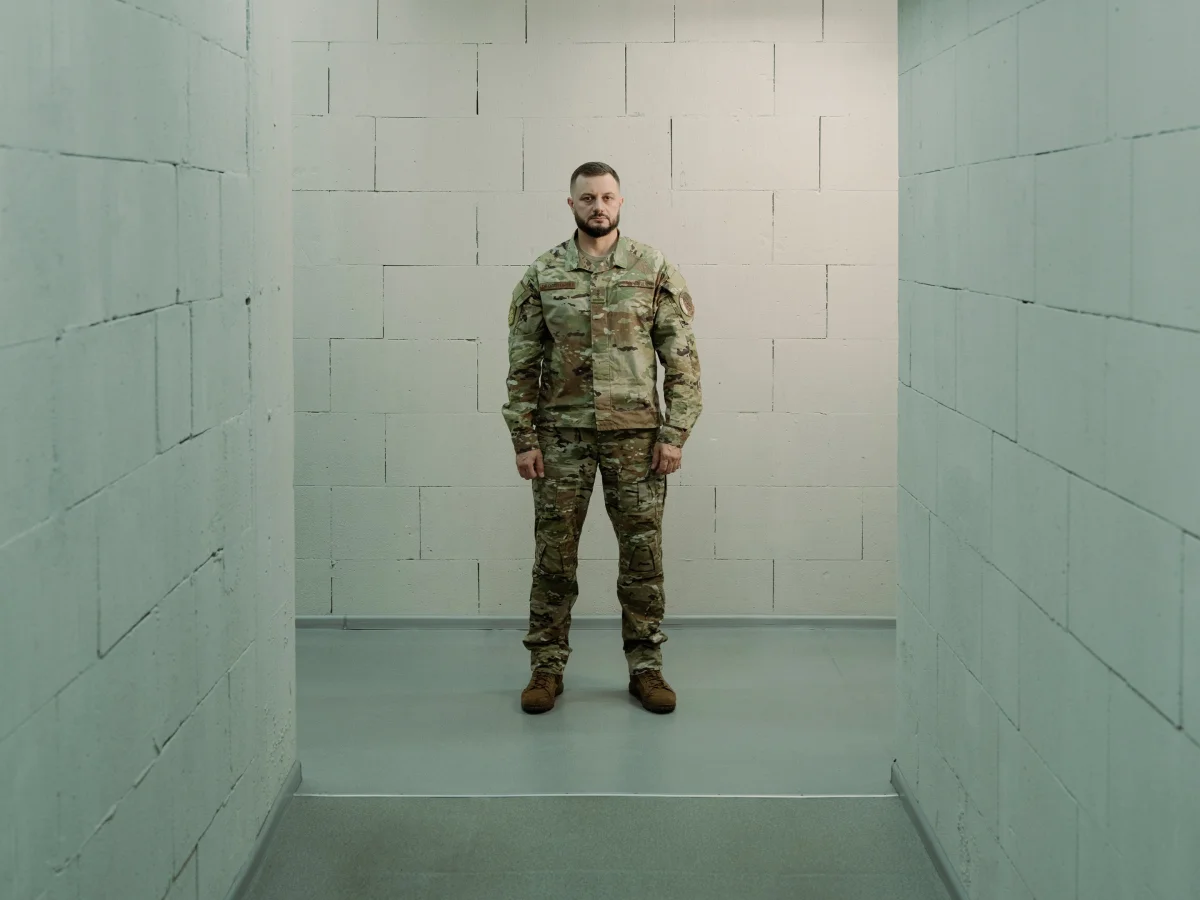
Aboveground, drones can locate soldiers, vehicles and dugouts across a broad strip of land near the front. Brigadier General Ihor Obolensky, who commands several thousand Ukrainian troops, calls this expanding area the “kill zone.” His assessment is that moving underground offers a way around the aerial threat: drones cannot see troops inside the pipes. Russian forces began using the network first, he said, and Ukrainian units are now adapting.
The pipeline fighting is part of a wider turn toward underground shelter and infrastructure. Civilians have sought cover belowground during attacks on Kyiv and other cities. Schools have set up underground classrooms, parts of the electricity network have been moved below the surface, and weapons factories operate in large bunkers. In the contested areas, the pipes offer one of the few places where troops can move with less exposure to drones and missiles.
Obolensky’s Khartiia Corps began focusing on the pipes in spring 2025, after Russian troops used them to get behind Ukrainian positions and launch surprise attacks. The soldiers would surface several kilometers behind the line, sometimes during poor weather that made aerial spotting harder. Ukrainian troops initially tried to locate the exits and engage the Russian soldiers as they emerged. But new groups kept appearing at other points, making the source of the infiltrations difficult to identify.
Mapping the network
To understand the scale of the threat, Obolensky requested pipeline maps from Ukraine’s state energy company. They showed at least 57 steel tubes beneath the war zone, most measuring one to two meters across. The pipes had carried gas from Siberian fields to customers in Ukraine and elsewhere in Europe. Ukraine ended the gas trade with Russia at the start of the previous year; the network then lay unused for a time before troops began moving through it.
The significance of the network extends beyond the immediate clashes. Ukrainian officers and senior officials say Russia has gathered supplies and troops during the year in preparation for a winter offensive. They fear an attempt to break through the drone watched area and take control of all of eastern Ukraine, potentially creating a route for a later advance toward the country’s center and capital. Obolensky says control of the gas pipes in the Donbas could give Russia an advantage in that effort.
The pipeline tactics were not new to Ukrainian forces by the time they appeared in the northeast. During the months-long battle for Sudzha, a town in western Russia that Ukraine seized in August 2024, Russian troops used sewers and other underground routes to retake parts of the town. Ukraine’s hold began to weaken at the start of the following year. Russia received help from North Korean troops during the wider fighting in the Kursk region, according to the source article.
Reports of Russian soldiers crawling through pipes prompted questions among Ukrainians about how troops could be persuaded to undertake such a dangerous journey. In an interview with a Ukrainian blogger, two Russian prisoners of war said they had been serving sentences for murder in Russian labor camps when recruiters offered them freedom in exchange for service in Ukraine. One described spending two days bent over as he moved through a pipe, despite a leg injury. When he asked his commander to retreat, he said, the answer was that there was no way back.
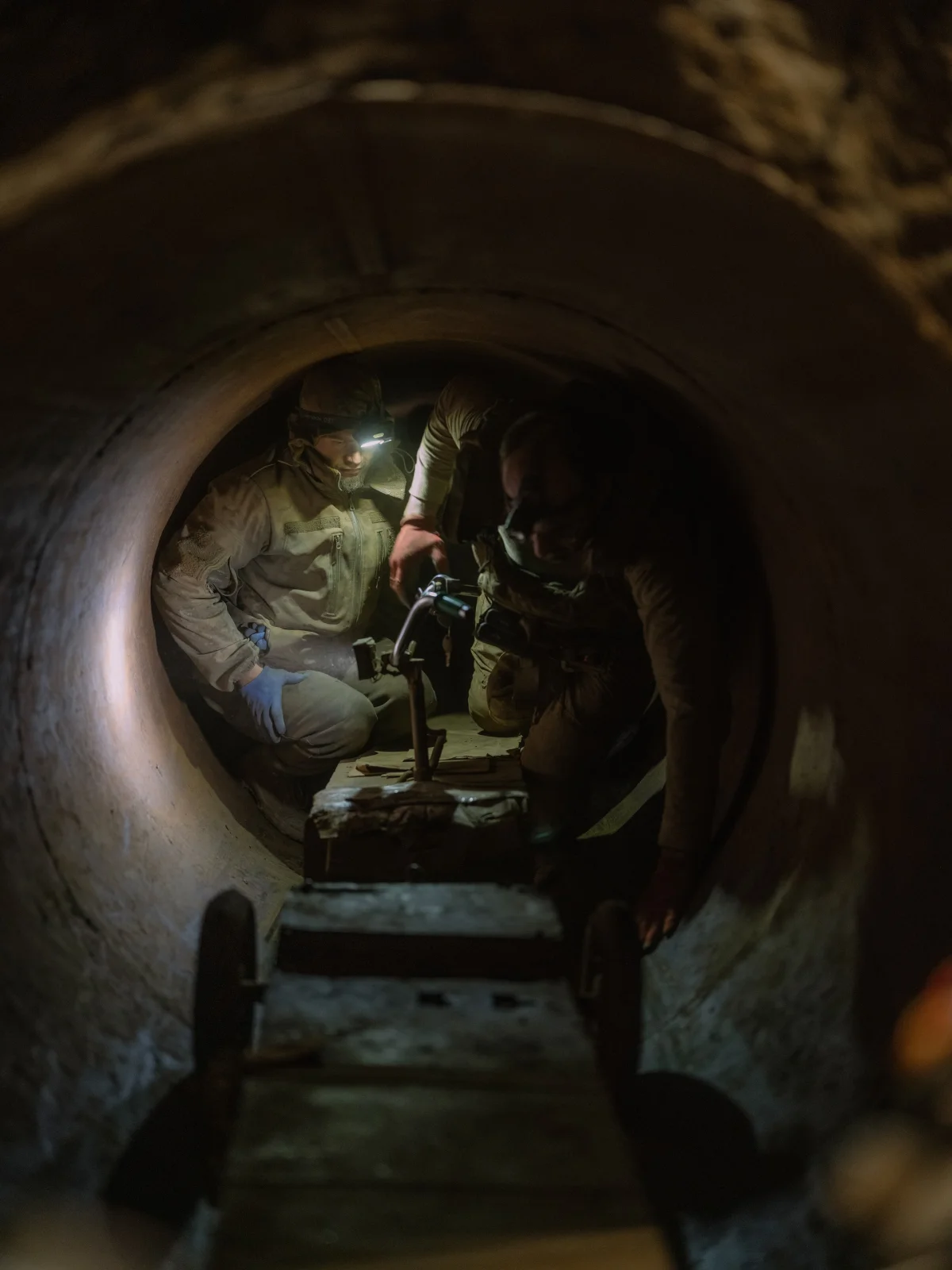
Conditions inside the pipes
In early 2025, after Ukrainian forces withdrew from Sudzha, they began encountering similar tactics on their own territory, including near Pokrovsk, Obolensky said. His troops operate mainly in the Kharkiv region, where they have spent more than a year defending Kupiansk, about 25 miles from the Russian border. Russian soldiers would appear in small numbers behind Ukrainian positions, take cover in abandoned buildings or shallow holes, and wait for others to join before attacking. The hidden routes made it hard to tell where they had come from.
Obolensky first entered the pipes in late July. He later showed a video of himself after the trip, his face dirty and his voice shaken. He called the troops working underground heroes. Their deployments can last for weeks. They travel on repurposed coal-mining wagons fitted with electric scooter motors, moving through passages that smell of gas residue and other chemicals.
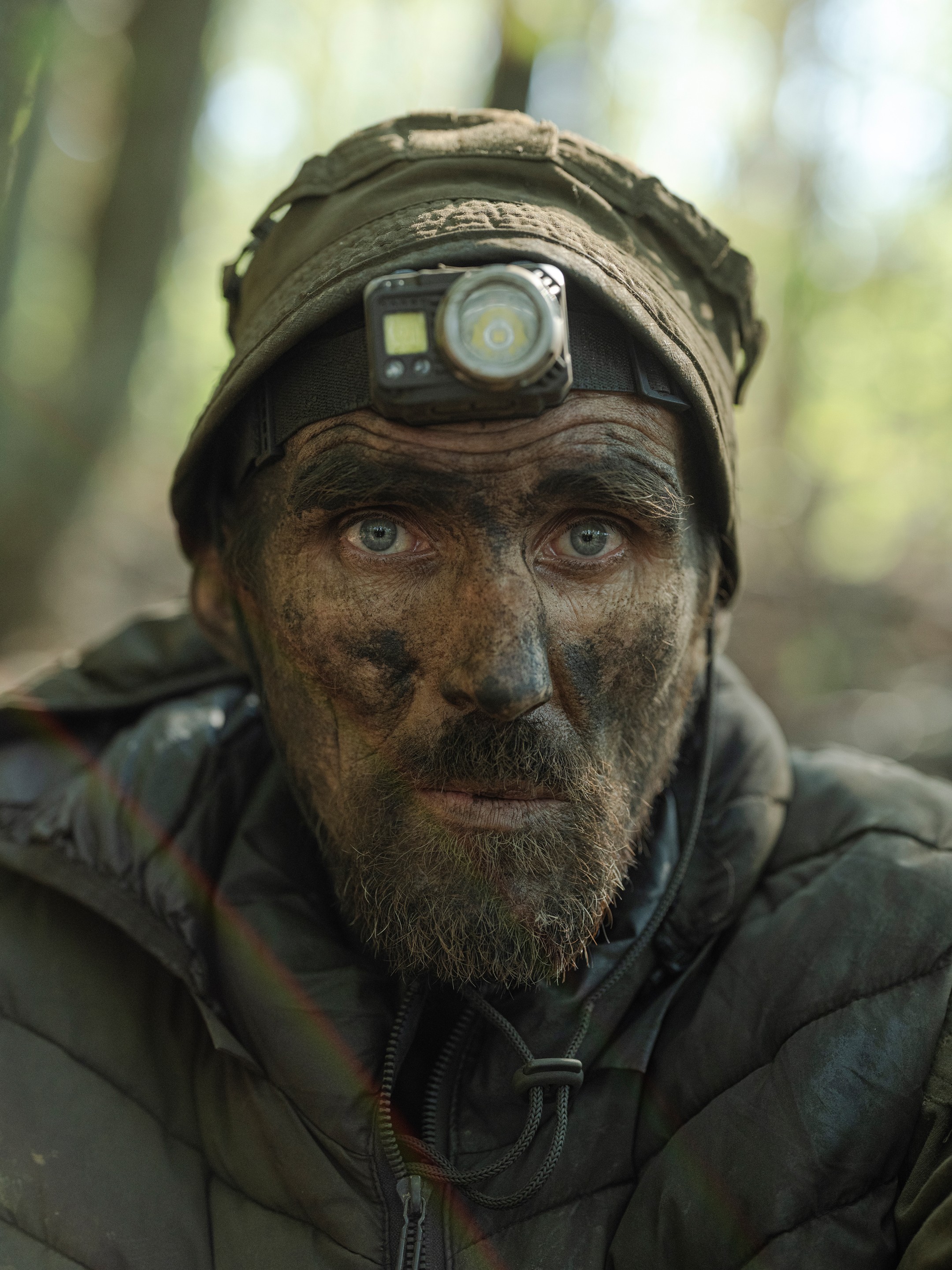

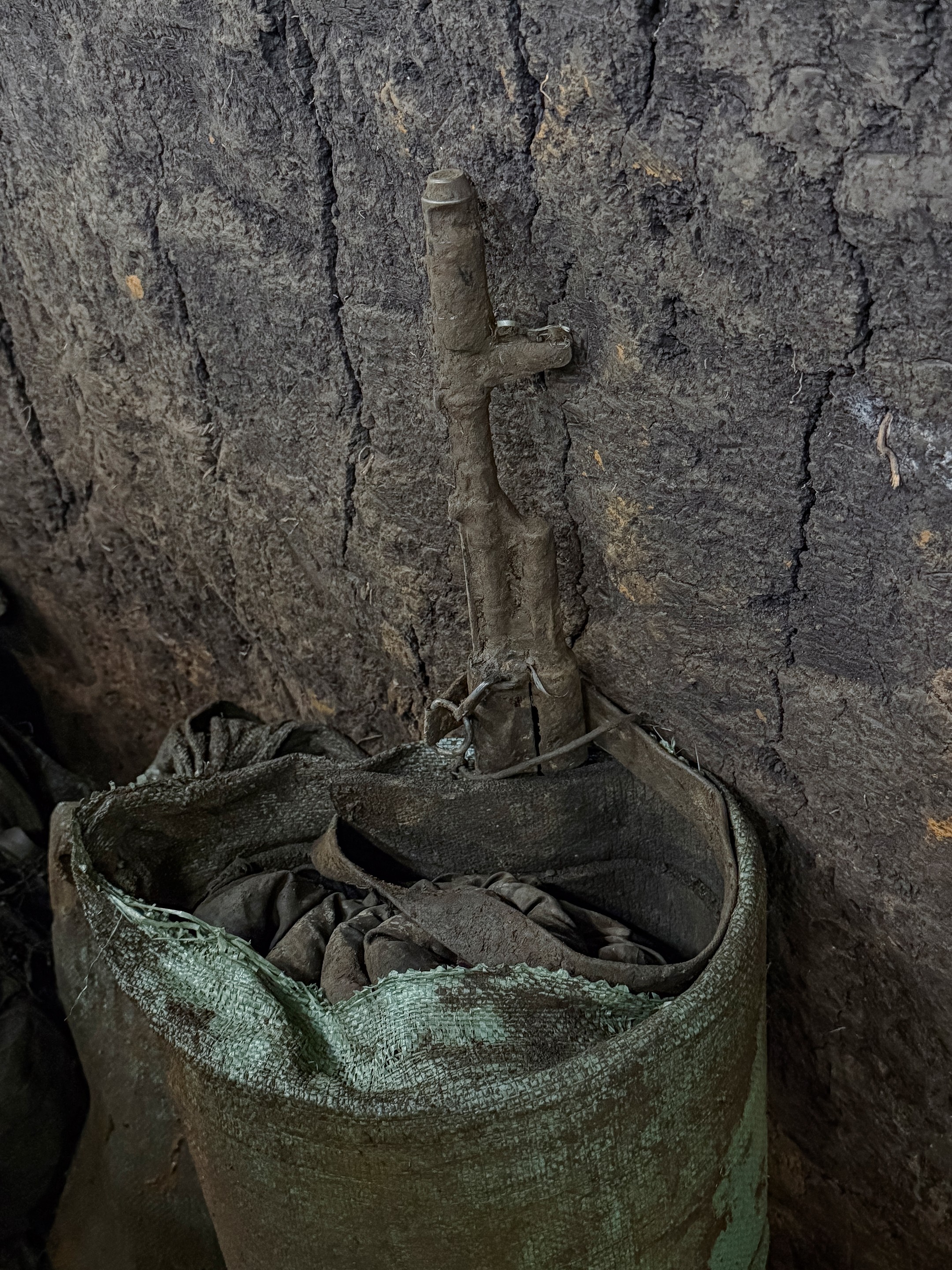
When opposing troops meet, the confined space makes gunfire and explosions especially dangerous. Soldiers use high-caliber rifles and rocket-propelled grenades; bullets and fragments can ricochet off the pipe walls. Blasts can force air out of the narrow passage, leaving troops struggling to breathe. They rely on gas masks and oxygen tanks, and plug their ears against the noise. Advancing can mean breaking through Russian sandbag barriers while under fire.
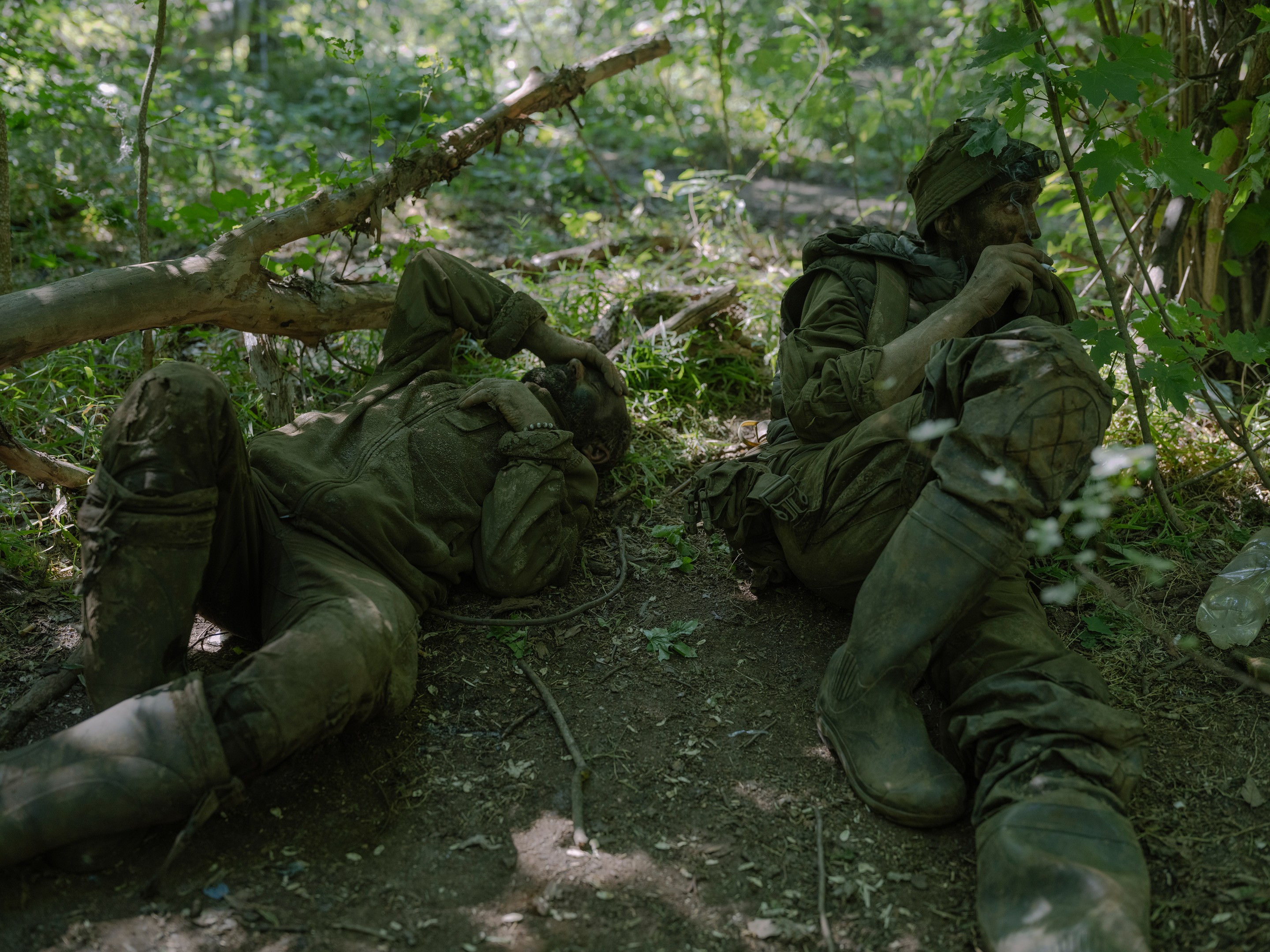
After about six months of underground fighting, the Khartiia Corps said it had retaken roughly nine miles of pipelines in northeastern Ukraine. The operation, named Veles after the Slavic god of the underworld, has recovered two pipes so far, while dozens remain in Russian hands. Obolensky described the gains as the first successful counterattack of its kind. The immediate result is limited, but the network’s role may grow as both sides look for routes that bypass the drone threat. The pipes have become a contested front, and clearing them will take more operations.
Sasha Maslov contributed additional reporting.