Repeated late invites, missing group chats and one-sided outreach may signal an uneven friendship. A psychologist suggests checking in and investing elsewhere, too.

Feeling like a peripheral member of a friend group can be painful precisely because there may be no single incident to point to. You’re invited sometimes and included in the group chat, yet often hear about plans at the last minute or learn that others have been spending time together without you. A psychologist says recurring patterns like these may help explain why someone feels like a “fringe” or backup friend, while also cautioning that one isolated moment doesn’t tell the whole story.
The distinction matters. Friend groups don’t have to share every plan or conversation, and people can be close in different ways. But when you repeatedly feel as though you’re stepping into a circle that’s already formed, it may be useful to pay attention to how invitations, communication and effort actually work.
1. Invitations tend to arrive at the last minute
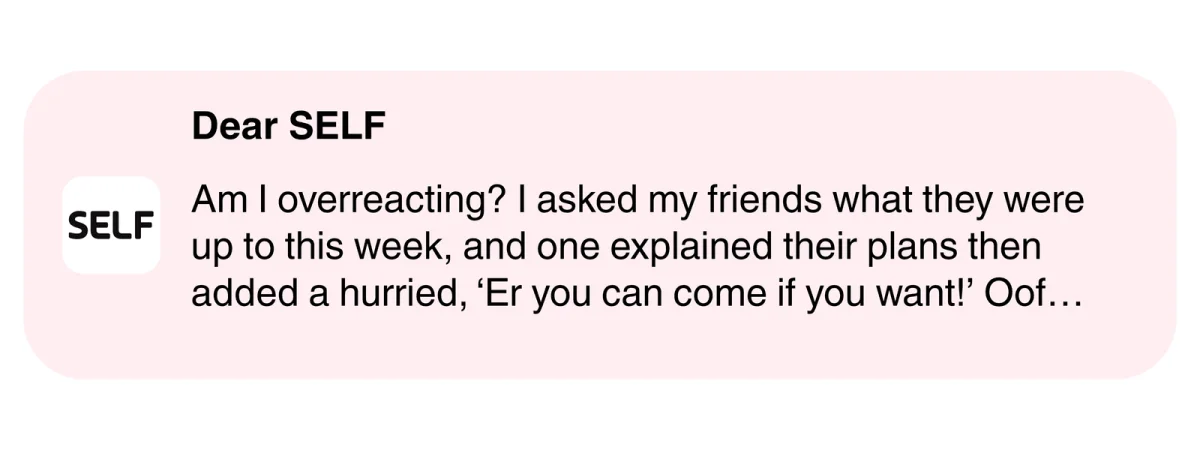
A same-day invitation can happen for ordinary reasons: someone remembered late, plans changed, or the person arranging things is simply disorganized. One late invite doesn’t establish that a friendship is unequal. The more informative question is whether it keeps happening, especially if you’re regularly added after plans are already settled or someone else can no longer attend.
Christina Ferrari, PsyD, a Miami-based psychologist, told SELF that occasional late invitations aren’t necessarily a concern. She suggests considering whether the person behaves this way with all their friends. If they do, poor planning may be part of the explanation. If the pattern seems specific to you, it may be worth noticing how often it occurs and how it affects you.
Frequency provides context, but it can’t reveal someone’s intentions on its own. Rather than treating each invitation as proof that you matter less, look at the broader relationship: Do you enjoy the time you spend together? Do people make plans with you in other settings? Can you raise the issue comfortably?
2. You’re missing the conversations where plans take shape
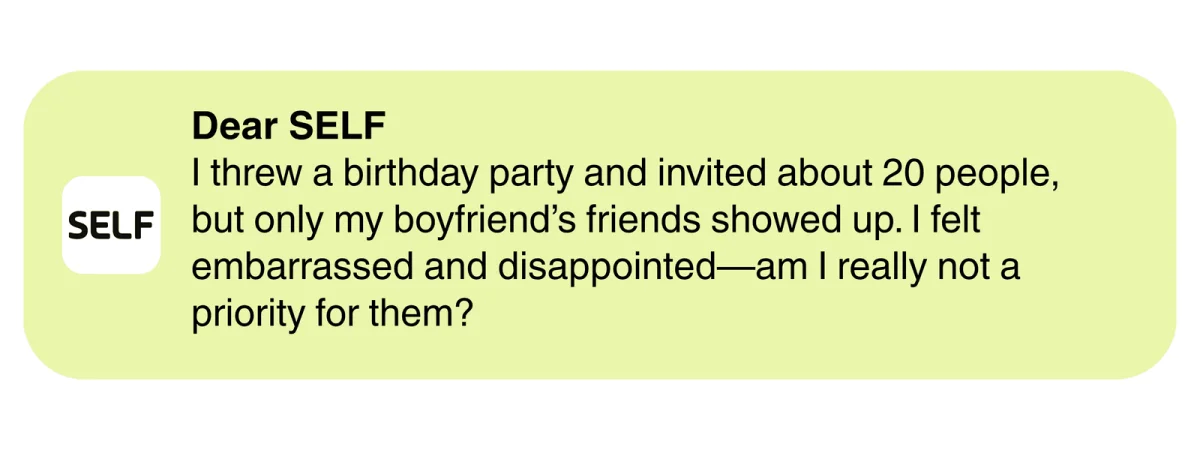
Some invitations arrive only once the date, place and details are settled. You may also hear people refer to messages, jokes or shared experiences that took place in a chat you’re not part of. Either can leave you feeling like a guest in a social circle you thought you belonged to.
Ferrari notes that friends can have separate conversations and overlapping circles; being included in every chat isn’t a reasonable measure of closeness. What may be more revealing is whether you frequently find yourself joining plans only after the group has worked out the details without you, or feeling out of step with shared references.
That distinction keeps the question focused on a repeated experience rather than on a particular chat. The aim isn’t to track every message or expect access to private conversations. It’s to consider whether there are ways you’re included from the start and whether the friendships within the group feel mutual.
3. You’re almost always the one who reaches out
Busy schedules can leave one person doing more of the planning for a while. A temporary imbalance doesn’t necessarily mean others don’t care. But if you’re consistently the only one starting conversations, proposing get-togethers or trying to stay in touch, the relationship may feel one-sided.
Ferrari says people who are part of a circle are often noticed when they haven’t been around. That might show up as someone asking where they’ve been or suggesting they catch up. When nobody checks in over time, it can feel as though your absence doesn’t register. That feeling is real, even though it can’t by itself explain why others haven’t reached out.
Consider the pattern across more than one interaction. Some people rarely initiate with anyone, while others may not realize you’d like to spend more time together. A calm conversation can help clarify what’s going on, though it can’t guarantee the response you hope for.
A low-pressure way to raise the issue
If you want to make your interest clear, Ferrari suggests saying something warm and direct, such as: “I always have such a great time when we all hang out. Next time, I’d love to be looped in!” That communicates that you’d welcome more invitations without assuming anyone has meant to leave you out.
You could also ask one person you trust about making plans together. Notice whether the conversation leads to a change over time, rather than expecting a single exchange to resolve every uncertainty. If the pattern continues, that gives you more information about how much effort the relationship is receiving from both sides.
There’s no need to frame the goal as earning a more central place in the group. A more useful question may be whether you feel valued in the friendships you’re putting energy into. Not being close to one particular circle doesn’t say anything definitive about your worth or your ability to build meaningful friendships.
Make room for other connections
If your current group leaves you feeling consistently overlooked, you might invest in other relationships as well. That could mean inviting a coworker to lunch, getting in touch with an old school friend or accepting an invitation from people you’d like to know better. These small steps don’t have to replace your existing friends; they can give you more chances to connect in places where the interest feels mutual.
Friendships shift, and group dynamics can be hard to read from the outside. Repeated last-minute invitations, exclusion from the conversations that organize plans and one-sided outreach may be signs of a mismatch, but they aren’t a diagnosis of anyone’s motives. A considerate conversation and attention to how people respond can help you decide where you feel welcome—and where your time and care are returned.