A travel-linked Ebola infection in Nigeria is among several developments in health care, from youth mental health data to experimental cancer treatment.
A travel-linked Ebola infection in Nigeria adds a new point of concern as an outbreak centered in the Democratic Republic of the Congo continues. Other developments in this health briefing include new figures on birth center access, a proposal for making custom gene medicines, early cancer therapy results, and two years of data on LGBTQ+ youth mental health.

Nigeria reports a travel-linked Ebola infection
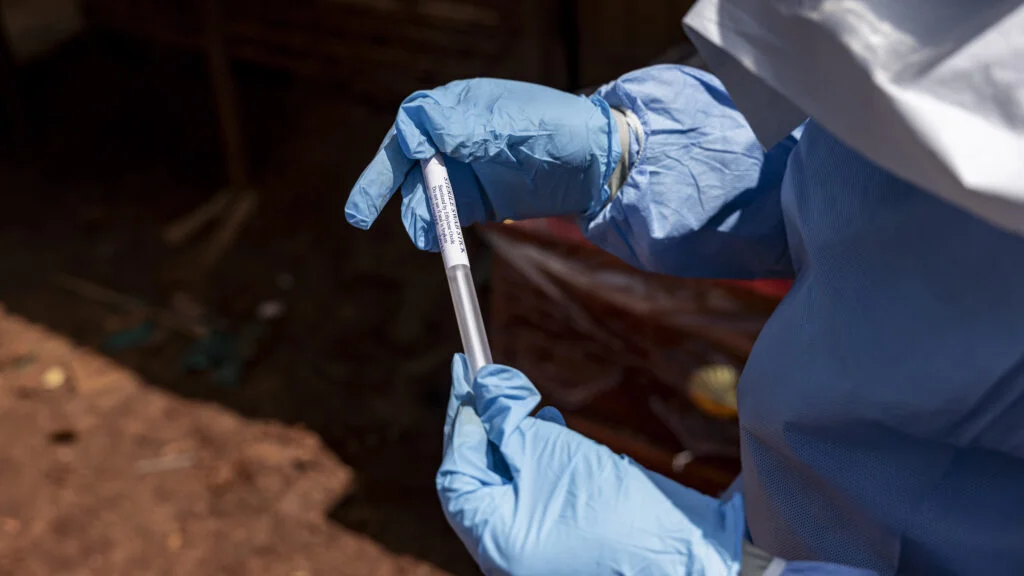
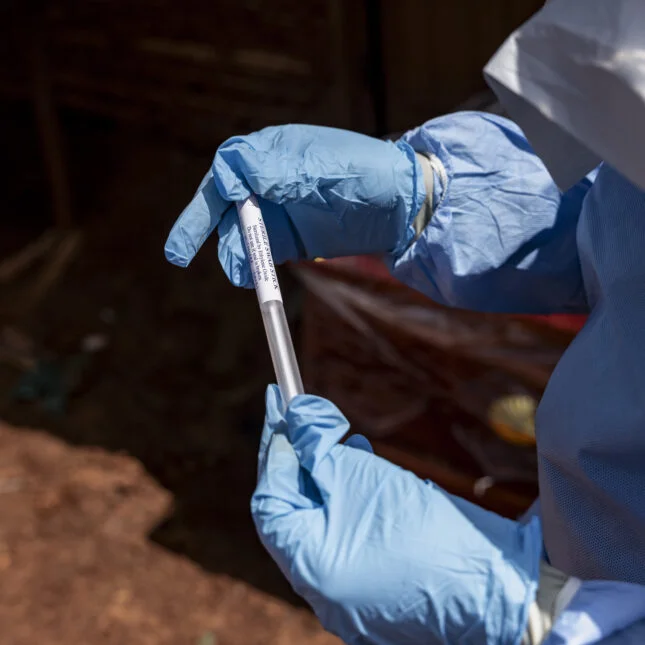
Nigeria confirmed an imported case connected to the Ebola outbreak in the Democratic Republic of the Congo. It is the fifth country to identify an infection linked to the outbreak, which is caused by the Bundibugyo species of Ebola.
The patient is a woman who had traveled to Uganda. She became ill on Oct. 7, four days after arriving in Nigeria, and sought care at a private clinic in Abuja on Oct. 11. Her infection was confirmed the following day. She remains in isolation while health teams trace her movements and identify people she may have encountered. Forty-four contacts were being monitored at the time of the report.
Kenya has recorded nine cases linked to an imported infection in recent weeks. The outbreak is described as the second largest on record. The World Health Organization has urged countries in the region to maintain readiness as the situation develops. The Nigerian case underscores why travel history and prompt follow-up of contacts matter during an outbreak: they help health teams identify possible links and monitor people who may have been exposed.
Measles messaging and trust
Communication specialists say candid messaging about measles may help rebuild trust in vaccination. Their point is that most children recover, but that fact doesn’t make the illness harmless or make prevention unnecessary. Acknowledging what usually happens, they argue, can make it easier to explain why the risks to some children still matter.
Katrine Wallace, an epidemiologist at the University of Illinois Chicago, said that recognizing most children do well can lend credibility to explaining why that outcome isn’t enough when a safe, effective alternative is available. The discussion comes amid rising measles cases, high death counts, and falling vaccination rates. The practical challenge for health communicators is to describe both the common outcome and the less frequent serious harms without exaggerating either.
Birth centers remain a small part of maternity care
A new Commonwealth Fund report finds that 40% of deliveries at freestanding birth centers aren’t covered by insurance. For comparison, the report says only 3% of families pay out of pocket for hospital deliveries. These centers are community-based and typically led by midwives; some families choose them for a less hospital-centered setting and an emphasis on unmedicated birth.
The report also points to limited availability. Ten U.S. states have no birth centers, while eight have just one. Despite substantial growth over roughly two decades, only 0.62% of births took place in these centers in 2024. Evidence suggests this model can reduce cesarean deliveries and help address racial disparities, but access and payment remain significant barriers to its reach.
Custom gene medicines face manufacturing hurdles
Gene editing has shown potential in an individual case: researchers developed a tailored treatment for KJ Muldoon, an infant with a rare genetic mutation. Making similar medicines available to more people remains difficult, in part because manufacturing requirements can be demanding.
Mark Cuban, who runs Cost Plus Drug, says the company is working toward making these custom treatments more quickly, with a service fee of about $50,000. That figure is his stated estimate, not evidence that the approach is already available or proven at scale. The proposal raises a practical question for patients with rare conditions: whether a different manufacturing model could make personalized treatments more accessible while meeting the standards needed to produce them safely.
Early results for a cancer cell therapy
German biotech company Immatics is developing treatments that target PRAME, a protein found in more than 50 tumor types. Early research has drawn attention, but the evidence is still limited. Last year, researchers presented results from 16 people with a rare eye cancer whose tumors shrank after an experimental cell therapy.
This summer, a separate collaboration described how researchers modified a teenager’s own T cells so they could eliminate tumors throughout his body. The company’s chief executive, Harpreet Singh, called this an exciting period for the work. Still, early findings in small groups and individual cases can’t establish how well a treatment will work for broader groups or how it will perform over time. Further research will help show whether these results can translate into lasting benefit.
Two years of data on LGBTQ+ youth mental health
The Trevor Project’s longitudinal study followed nearly 1,700 LGBTQ+ young people, surveying participants every six months from September 2023. Its latest report finds continued high and increasing rates of anxiety, depression, and suicidal thoughts. At the same time, reported self-harm fell from 38% to 34%, and suicide attempts from 9% to 7% over the period covered.
Other findings point to the importance of support and circumstances. Young people subjected to, or threatened with, conversion therapy had nearly three times the odds of suicidal thoughts compared with those who weren’t. Participants reporting family support had 45% lower odds. The report also found that housing instability was associated with twice the odds of self-harm and suicidal thoughts. Past-year housing insecurity rose from 7% in 2024 to 13% in 2025.
Desire for gender-affirming hormones increased among transgender and nonbinary respondents, and reported access also rose. The report cautions that some participants became adults during the study, when access barriers can differ. Among respondents aged 18 and older, 73% were able to access hormones during the study period, compared with 33% of minors. These findings describe the surveyed group and highlight how age, family support, and housing can shape young people’s experiences.
Why repeated studies matter
Health policy professor Mark Louie F. Ramos argues that funding for replication research should remain a priority, despite concerns about cost. Repeating a study can add information about whether a finding holds up and can help researchers identify uncertainty, even when the original work was carefully done. For readers, replication is part of how evidence becomes more dependable: a result that has been tested again gives a stronger basis for judging what it may mean in practice.
Taken together, these reports show why health news needs context. An outbreak case calls for careful monitoring; early treatment results need more study; and survey trends are best understood alongside the conditions shaping people’s lives. The next useful evidence will come from continued follow-up, clearer access data, and repeated research.