New studies examine hepatitis B vaccination and vaccine attitudes, while data highlight gaps in menopause treatment and mental health provider concerns.

New research on vaccines and fresh data on menopause care offer practical questions for clinicians and patients, while a backlash over a mental health platform’s provider agreement shows how trust can hinge on the fine print. The evidence varies: one finding comes from a model, another from survey analysis, and the menopause figures describe reported symptoms and treatment use.
Health measures put contentious issues in view
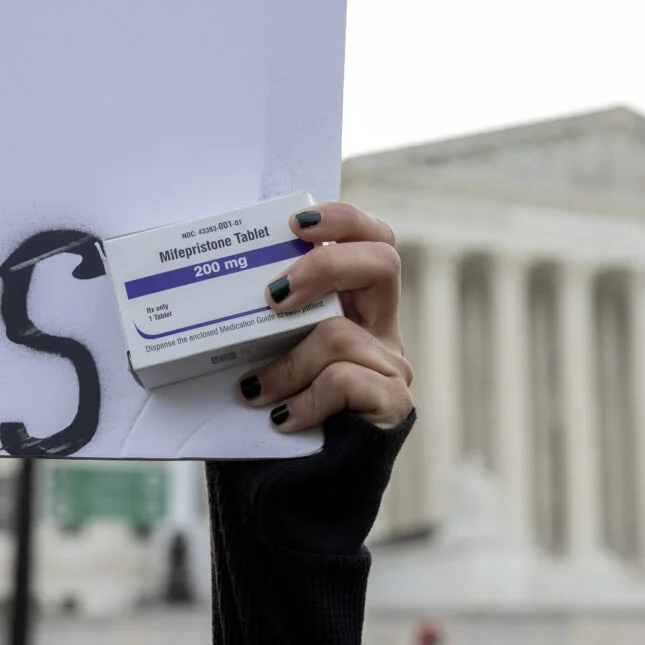
Several state measures scheduled for November address health issues, including whether transgender young people may join school sports teams aligned with their gender identities, whether to repeal a near-total abortion ban in one state, and whether to reverse marijuana legalization. The results may offer a concrete indication of public views on these issues two years into the Trump administration.
There are relatively few measures on issues associated with the Make America Healthy Again movement. That scarcity is part of the picture: state-level questions can bring specific health debates directly to the public, but they don’t represent a complete account of how people think about health care. Read more about this year’s measures.

Headway pauses a provider agreement after criticism
Mental health platform Headway has paused plans to roll out a new agreement that would have allowed it “perpetual” use of providers’ names, images, likenesses and other material. The company helps patients find therapists who accept their insurance, and its network includes 65,000 mental health providers.
Providers criticized the proposed terms, with some raising concern that their content could be used to create AI therapists that might replace human clinicians. Headway CEO Andrew Adams acknowledged the backlash in an email, saying the updated agreement had been “very reasonably interpreted in ways we never intended” and that he took responsibility.

The pause follows earlier criticism of Headway’s decision to require biometric verification from patients and providers. The company has grown quickly while promising to make it easier for patients to find in-network therapists. This latest episode underlines how clearly a platform needs to explain what it can do with providers’ personal information and work.
Hepatitis B vaccine timing: a model points to possible risks
A modeling study suggests that changing the timing of hepatitis B vaccination could increase chronic infections among children. Researchers at Massachusetts General Hospital and Harvard Medical School compared the universal dose at birth with vaccination at two months, and with a shared decision-making conversation at two months.
Under the model, the two-month vaccination approach was associated with a 19% increase in chronic infections acquired by age 20. The shared decision-making approach was associated with an 83% increase. These are modeled estimates, not observed changes in infection rates. The study therefore indicates what could happen under the scenarios researchers examined; it doesn’t show that either increase has occurred. Read the study.
Menopause symptoms are common; prescription treatment use is lower
New data from 2025 show that nearly half of U.S. women ages 40 to 60 reported at least one menopause symptom, such as hot flashes, insomnia or night sweats. Among those reporting symptoms, 15.6% said they were taking prescription medication to manage them, according to data from the National Center for Health Statistics.
The figures point to a gap between symptom burden and prescription treatment use, but they don’t explain why people aren’t taking medication or whether medication would be suitable for them. Other recent reporting has also described low treatment use among women who might benefit. A September Gallup survey found that 25% of U.S. women felt they understood menopause treatment options.
For people experiencing disruptive symptoms, these figures may be a reason to ask a health professional about available approaches. A clinician or pharmacist can discuss benefits, risks and personal circumstances; the data don’t support one treatment choice for everyone.
Views of science may help explain vaccine attitudes
Political identity is often used to explain differences in confidence about vaccines. A study from the University of Pennsylvania’s Annenberg Public Policy Center, analyzing 2024 survey data, suggests that people’s broader views of science and scientists may be more closely linked to vaccine uptake than partisan differences are.
That pattern applied to perceptions of measles, mumps and rubella (MMR) and influenza vaccines. Lead author Dror Walter said that views of science and scientists largely explained partisan differences in perceptions of those vaccines. COVID-19 stood apart: the same views didn’t explain the gap between Democrats and Republicans in judgments of COVID-19 vaccine safety and effectiveness.
The researchers didn’t reach a firm explanation for the exception. They suggested that concerns about bias among scientists might help account for it. The findings describe associations in survey data; they don’t establish that a person’s views of science cause them to accept or avoid vaccination.
Other health and science reading
A STAT commentary by former Theranos employee and whistleblower Tyler Shultz criticizes a documentary about Elizabeth Holmes, arguing that it creates ambiguity around a story he experienced firsthand. Shultz writes that he knew Holmes from age 20 until she went to prison when he was 32. Read his account.
Other pieces explore how human brain evolution may relate to Alzheimer’s disease, whether treating depression during pregnancy could benefit a baby’s brain development, and possible changes to work-hour protections for resident physicians. These reports cover different kinds of evidence, so their findings should be read in the context of each study and its limits.