The association cited a written warning of disruption but acknowledged its conduct code did not clearly bar distributing materials inside the convention center.
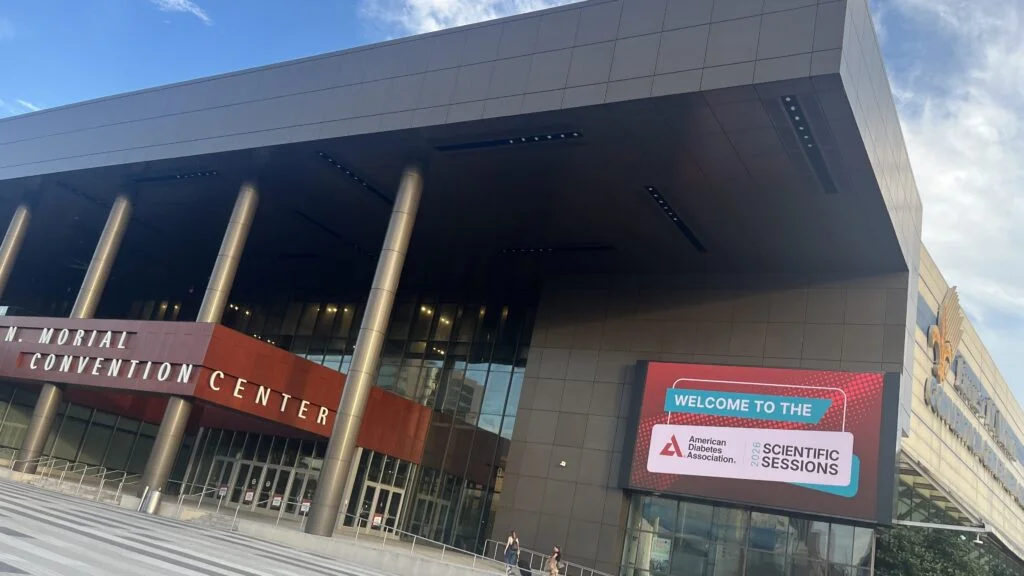
The American Diabetes Association’s account of why five members were removed from a scientific session in New Orleans leaves a central question unresolved: how could members know what conduct was prohibited when the organization’s code did not clearly address it? In a review summary posted Friday, the association cited a “written threat that there would be protest and disruption,” while acknowledging that its code of conduct “didn’t explicitly state that distributing materials inside the convention center was prohibited.”
That admission complicates earlier explanations for the June 5 removals. The association had released two explanations, an apology, a summary of its review and notice of further review, according to the source report. The latest account offers a stated reason for concern about possible disruption, but it also points to uncertainty about whether the conduct cited was covered by the rules members had been given.
What the review adds
The new information is narrow but consequential. The association says it received a written warning that protest and disruption would occur. It also concedes that its conduct code did not explicitly prohibit distributing materials inside the convention center. Those facts do not, by themselves, establish what the five members did, what decision-makers knew at the time, or how the association weighed the warning against the code. The article does not provide the full review’s findings or enough detail to answer those questions.
That distinction matters. A warning about anticipated disruption describes what someone said might happen; it does not establish that disruption occurred. And an unclear rule makes it harder to understand how members could anticipate the consequences of distributing materials in that setting. The association’s statement therefore provides some context for the removals while leaving the basis for the decision open to scrutiny.
The association linked its full incident review in a news release. The source report describes the release as a summary of the review, and the available account does not reproduce the complete report. Readers should be cautious about treating the short description as a full explanation of the incident or as proof that every disputed point has been resolved.
Why the dispute reaches beyond one session
The fallout has extended into the organization’s work. Members have protested through petitions, and a boycott involving 1,100 members has been reported. The association’s flagship journal has stopped accepting manuscripts, while grant reviews, fundraising and educational activities have ceased, according to the source. The report does not specify how long these interruptions have lasted, how many people or projects are affected, or when the activities might resume.
Those details give the dispute practical significance for people who rely on a professional association’s research and education work. A pause in manuscript submissions can affect the flow of research into a journal. A halt in grant reviews can interrupt a process used to assess research proposals. Paused educational activities may affect opportunities for professional learning. The source does not document specific effects on patient care or identify any individual research project that has been delayed, so those outcomes should not be assumed.
The organization’s credibility is also at issue. When an association changes or adds to its explanations, members may want to know which details were established by the review, which were based on reports made before the removals, and how the rules were applied. A clear account can help members assess the decisions and understand what conduct is expected at future events. Without that clarity, the disagreement can persist even after a review is published.
Leadership and next steps
The review was posted three days after the association disclosed the departure of Rita Kalyani, its chief medical and scientific officer. The source report provides no information establishing a connection between her departure and the incident, so the timing alone does not show that the two events were related.
The association has also given notice of further review, according to the report. What that review will examine, who will conduct it, and whether its findings will be made public are not specified in the material provided. Those are relevant questions for members seeking a fuller account, especially because the association has acknowledged a gap in the written conduct rules.
For now, the clearest reading is that the association says it acted after receiving a written warning about possible disruption, while conceding that its code did not plainly ban the distribution of materials inside the convention center. That leaves room for further explanation about the decision and the rules in force at the time. The next useful measure of progress will be whether the forthcoming review clarifies how the warning was assessed, how the removals were decided, and what members can expect from the association’s conduct rules at future scientific sessions.