Sanctions and a naval blockade have strained Iran’s economy, but there’s little evidence that pressure will force a quick retreat. More strikes could widen the conflict.
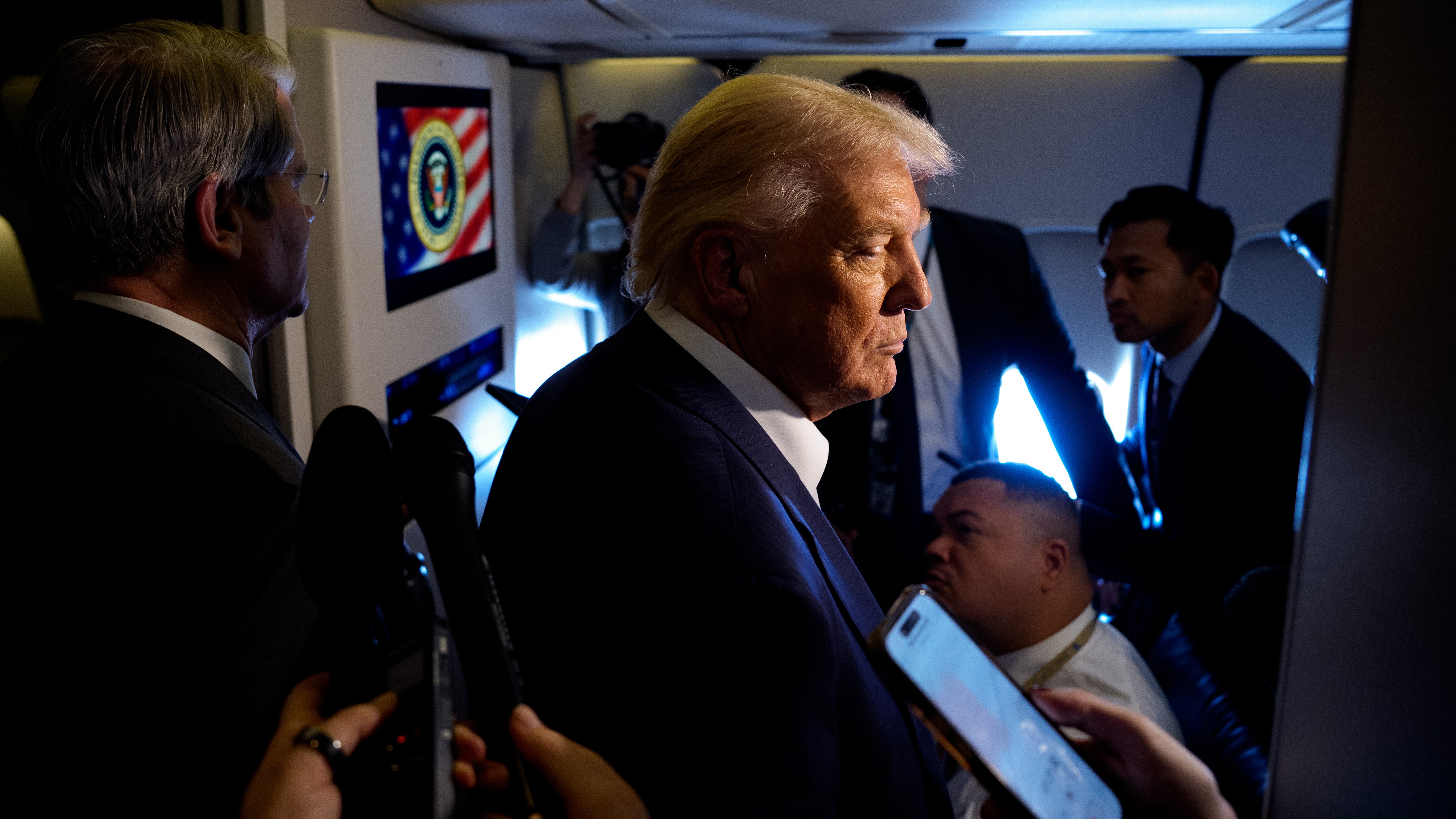
The U.S. strategy toward Iran may be shifting toward a combination of economic pressure and renewed strikes. President Donald Trump has heard two proposals from trusted advisers: Treasury Secretary Scott Bessent argues that sanctions and a blockade of the Strait of Hormuz could force Tehran to negotiate, while Israeli leader Benjamin Netanyahu has pressed for another wave of U.S. and Israeli attacks that could topple Iran’s leadership. The administration appears to be weighing both approaches, though there’s no clear evidence that either will produce a quick end to the conflict.
U.S. officials have discussed several days of strikes, potentially after the midterm contests. Possible targets include Iran’s missile and drone stockpiles, energy infrastructure and nuclear facilities. An adviser outside the administration said economic pressure was working and that Iran was nearing a breaking point; additional attacks, the adviser suggested, could push it over the edge.
That forecast rests on an uncertain assumption. Economic pressure has weakened Iran, but Tehran’s negotiating position has changed little. Trump has previously believed the country was close to economic ruin, only to find that his assessment was premature. Further strikes could also prompt retaliation across the region without making Iran more willing to concede.
Iran has signaled that it could widen its response. Earlier this week, Brigadier General Hossein Mohebbi, a spokesperson for the Islamic Revolutionary Guard Corps, pointed to seven major fiber-optic cables under the Strait of Hormuz as potential targets and hinted at the use of new weapons. If U.S. attacks fail to compel a retreat, Tehran could emerge less willing to compromise.
“You cannot plan for a three-day war, because it is not a unilateral decision,” Danny Citrinowicz, a former Israeli intelligence officer who specializes in Iran, said. “You cannot control how Iran responds.” Trump, however, has indicated that he expects action soon, telling a reporter that “something one way or another” would happen fairly soon.
Political timing adds pressure
Trump’s impatience appears tied in part to the slow pace of the economic strategy. He had hoped Iran would return to negotiations before the upcoming midterm contests, according to an administration official and another person familiar with internal discussions. That hasn’t happened, and high energy prices have become a political liability for Republicans. Trump has softened some of his most alarming statements about Tehran, though frustration still appears in his late-night social media posts.
Some people in Washington have argued that a show of force could give Trump a visible success to point to before the contests. Netanyahu has also advocated for another round of strikes ahead of Israel’s own national vote, according to a White House official. Trump has so far held off on authorizing attacks before the U.S. midterms. After reports raised the possibility earlier this month, Republican criticism intensified, and Trump wrote on Truth Social that he would not attack again before the contests.
[Read: Trump is preparing for a long war]
U.S. officials say no decision has been made about resuming strikes after the midterms. At the same time, public moves have kept the possibility in view. Defense Secretary Pete Hegseth traveled to Israel earlier this week to discuss Iran with Netanyahu. The State Department said yesterday that it was moving nonessential personnel and their family members out of Saudi Arabia amid rising attacks by Iran-backed Houthi forces in Yemen. Some U.S. officials hope that uncertainty about the timing and scale of any response will keep Tehran cautious.
There are practical limits to consider as well. U.S. weapons supplies were under serious strain at the height of the conflict, raising questions about whether enough munitions are available both for new attacks and to protect U.S. interests in the region. The possibility of renewed fighting has already unsettled markets: oil prices surged and stocks fell as reports circulated about a potential return to war and Iran struck tankers in the strait. The White House did not immediately respond to requests for comment, and U.S. Central Command declined to comment.
Economic strain is severe, but collapse is unproven
The blockade has effectively halted Iranian oil exports. Together with sanctions and damage from U.S. strikes, it has put the economy under acute strain. Inflation is rising, goods are scarce and the rial’s record-low value has made basic purchases harder for many people. Admiral Brad Cooper, head of U.S. Central Command, said last week that the blockade had kept Iran from exporting at least $25 billion worth of crude oil. The International Monetary Fund expects Iran’s economy to contract sharply in 2026.
Yet economic damage is not the same as imminent collapse. Tehran has sought to contain the effects through price controls and by preserving essential imports, and the article reports little evidence that the state is about to fall apart. The Treasury Department announced new sanctions yesterday aimed at shipping networks and intermediaries it said were helping Tehran raise revenue for its military, weapons and nuclear programs.
Bessent has argued that Iran need not experience a full economic collapse for the pressure to work. At an August meeting of G20 finance ministers, he said the desired shift in Tehran’s behavior might come within weeks or months. But Iran’s hard-line leaders have endured years of hardship among the public without surrendering their position. The expectation that added pain will soon produce concessions may therefore underestimate their willingness to wait.
Netanyahu has repeatedly urged Trump to authorize attacks before Israel’s Tuesday vote and the U.S. midterms a week later, an Israeli television station reported. Netanyahu’s office reportedly denied the account. The conflict’s course has become entangled with the political fortunes of both leaders, but neither can determine how Tehran responds. Any decision to resume strikes carries the possibility of escalation, while continued economic pressure offers no firm timetable for a negotiated change.