Thirteen women describe diagnosis, treatment and the people who helped them cope, offering a personal view of strength, grief and life after breast cancer.
These 13 stories show how breast cancer can disrupt a life in ways that statistics can’t describe: a diagnosis that comes after a reassuring test, a young woman told she’s too young for imaging, or the strain of trying to care for children while facing treatment. They also show what people draw on to get through it, from family, faith and therapy to humor, practical help and a willingness to ask for another opinion.
The broader figures are sobering. Black women are diagnosed at a younger median age than white women—60 compared with 62—and are 38% more likely to die from breast cancer. They have the lowest survival rate at every known stage. About one in five Black women with breast cancer have triple-negative breast cancer (TNBC), a type that is harder to treat and more common among Black women than among other racial or ethnic groups. These numbers describe unequal outcomes, but they can’t capture any one person’s experience or predict what will happen to an individual.
The women below have faced different diagnoses, treatments and uncertainties. Some have completed treatment; others are still receiving it. Their accounts aren’t medical guidance, and one person’s experience can’t stand in for another’s. Taken together, though, they illuminate recurring themes: paying attention when something changes, speaking up when concern persists, finding support that fits, and making room for difficult feelings alongside hope.
Trusting a concern when tests are reassuring
Monique Bass had made annual mammograms part of her routine from age 40. At 47, she found a lump during a self-exam while lying in bed. Three biopsies over the next three years came back benign, and her care team recommended continued monitoring. Bass, a single mother of twin sons and grandmother of four, felt the lump was growing and pressed for its removal and testing. That procedure, a lumpectomy, revealed stage 1 invasive ductal carcinoma. The cancer was aggressive enough that her treatment included chemotherapy.
She received the diagnosis while sitting in a car wash in 2020, during the pandemic. “I felt like I was in The Twilight Zone,” she says. She was also going through a divorce, and many parts of treatment were isolating. Her care included four rounds of doxorubicin, four rounds of paclitaxel and 21 radiation treatments. Losing her hair was especially painful. It later grew back, something she describes as a silver lining.
Faith helped her through that period. After treatment, Bass founded What’s Behind the Bra?, a New Jersey nonprofit that distributes comfort packages to people with breast cancer throughout the year. The organization also hosts a weekly podcast on Sundays at 7:30 p.m. ET. Her experience turned into a way to offer practical care and connection to others going through treatment.
Jacqueline Beale, now 64, also noticed a lump herself. Cancer had affected several members of her family, including her mother, so the possibility was already familiar. At 40, she found a lump during a self-exam. A sonogram and mammogram appeared clear, but she still felt something was wrong and had a biopsy. It showed stage 1 breast cancer, meaning the cancer had not spread beyond the area where abnormal cells developed.
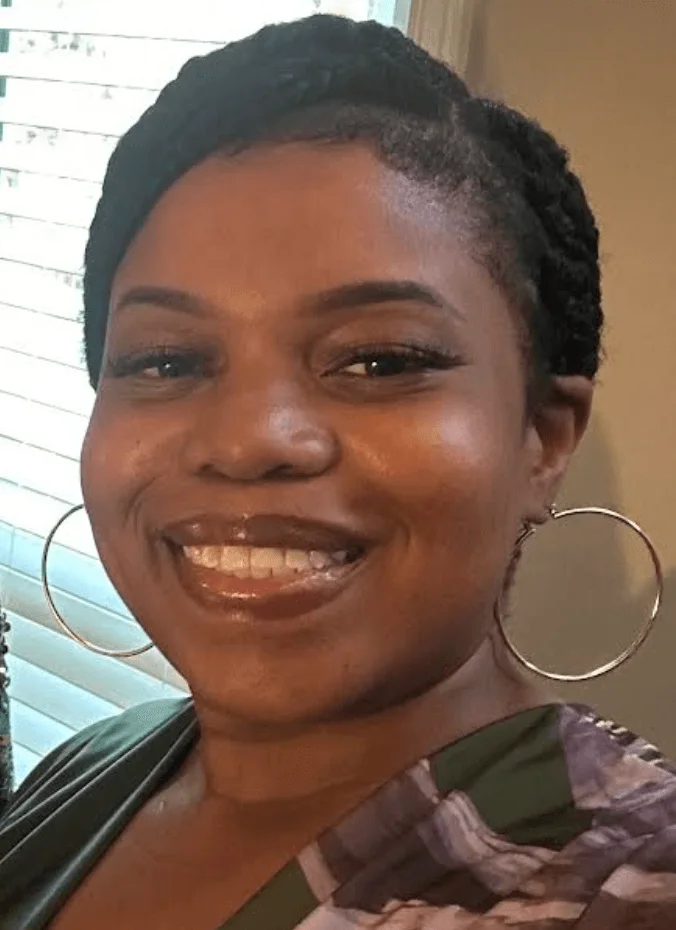
The radiologist called while trying to hail a cab in New York and told her plainly that she had breast cancer and needed to find a breast surgeon. Beale remembers the call’s matter-of-fact delivery, and says humor stayed with her through treatment. She asked her family to bring laughter as well as love. After a chemotherapy appointment, she felt extremely sick in an elevator. When another passenger asked if she was all right, Beale’s sister said, “Oh, she’s fine. She’s just got a little bit of cancer.” The stranger looked alarmed; Beale laughed. Her family understood that humor was something she needed.
Donna Culmer’s diagnosis also followed a mammogram that had seemed reassuring. In 1999, after receiving a clean result, she found a stone-sized bump on her right side and returned to her ob-gyn. The bump turned out to be a fibrocystic lump. But repeat imaging also showed a small, non-palpable spot on her left breast. A biopsy identified stage 1 cancer. Culmer, then 46, was stunned and unsure what questions to ask. She was serving in the Navy as an instructor and trainer, was married to a Marine and was raising three children.
Her treatment included four months of chemotherapy, which brought persistent nausea and exhaustion. Because her doctors were concerned the chemotherapy might not work, she also had a mastectomy. Her father drove her to every treatment session and stayed with her. Her church held services at her home, bringing familiar community into a difficult time.
Now 73, Culmer says the experiences of Black women have included many kinds of challenge, and that this was one more for her. Her advice is to write down questions and ask them, even when fear or shock makes it hard to think clearly. She also points out that treatment options have improved since the ones available to her.
Annette Colden’s story is a reminder that an initial assessment may not settle a concern. Before her own diagnosis, she sat with her sister during the final days of her sister’s breast cancer. Her sister, who had also experienced cervical cancer, asked Colden to keep up with mammograms. Colden’s first two annual mammograms were clear. The third showed a spot, but she was told it looked benign and that she had lumpy breasts.
Something still troubled her. Her sister’s doctor had once offered a similar reassurance, and Colden later regretted not following up. A year after the third mammogram, further imaging found stage 0 breast cancer—abnormal cells that had not become invasive cancer. Colden was 42. Looking back, she encourages women to seek another opinion when a concern remains. Her own religious faith brought calm, and after treatment she began supporting others through a group at Roswell Park Comprehensive Cancer Center. Sometimes her support means a conversation in the middle of the night when treatment pain makes sleep difficult. Sometimes she sends food to someone who doesn’t have the strength to leave home. “If you don’t want to travel it alone, I’m right there with you,” she tells them.
Being young didn’t make the diagnosis impossible
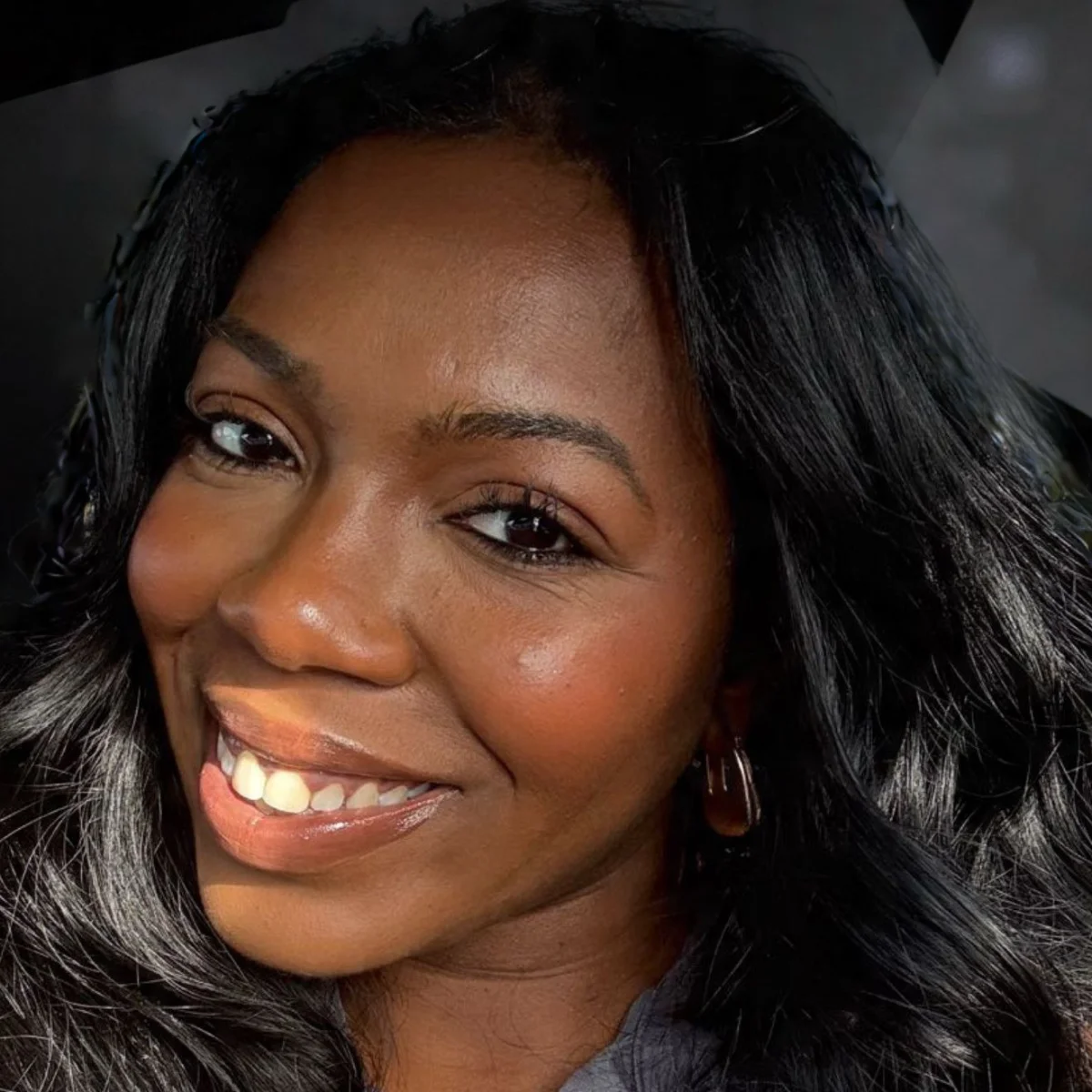
Annita White was five months late for a mammogram. Raising two sons, working in higher education and beginning a PhD program, she had kept putting it off. When she finally went, she expected a letter saying the results were normal. Instead, she received a call about a new mass. By the time the biopsy result came back, she had begun to suspect what it might show. The next day, the diagnosis was confirmed.
White recalls falling to the floor and crying. Her treatment included chemotherapy and the removal of both breasts. Losing her hair, which had always been full, made her feel exposed; changes to her breasts and the effects of chemotherapy left her feeling that her body was no longer her own. She was afraid she might not live to see her sons become adults or meet future grandchildren. Her faith, which she had privately questioned, became a source of support. Three years later, she was cancer-free, her hair had grown back and she had completed her PhD. She now goes by Dr. Nita, belongs to the African American Breast Cancer Alliance survivor network, and shares her experience with others facing the disease.
Marylande Regis was 36 and had recently stopped breastfeeding her nine-month-old when she found a lump. Her baby had struggled to latch on that side. The first response she received was that the lump was probably a clogged milk duct and that she was too young to worry about a more serious cause. Regis, a registered nurse, realtor, wife and mother of three, called back and insisted something was wrong. Another ob-gyn who saw her message urged her to make an appointment promptly.
Within two weeks, Regis learned she had aggressive stage 2B, BRCA1-positive breast cancer. Two weeks after that, the number of tumors had grown from one to three, and the number of affected lymph nodes from one to four. She says she was relieved and proud that she had advocated for herself rather than letting fear stop her.
Over roughly 18 months, her treatment included six months of chemotherapy, a bilateral mastectomy, six weeks of radiation, a total hysterectomy and breast reconstruction. The hysterectomy removed her body’s main source of estrogen. During treatment, she lost friends and a cousin to cancer. She also confronted the possibility that she might not survive: she wrote important letters and even drafted her own obituary. “I wanted to be positive, but I am also very realistic,” she says.
For a person used to planning for everyone else, having to depend on others was difficult. Her mother moved in and stayed, while her husband, Kory, accompanied her to every appointment. Both spouses lost their jobs during this time. Regis says cancer altered her sense of strength. Now she finds meaning in everyday family moments: getting her son, who has autism, to the bus stop; seeing her oldest child finish nursing school and work toward becoming an ob-gyn; and watching her youngest reach milestones such as learning to talk.
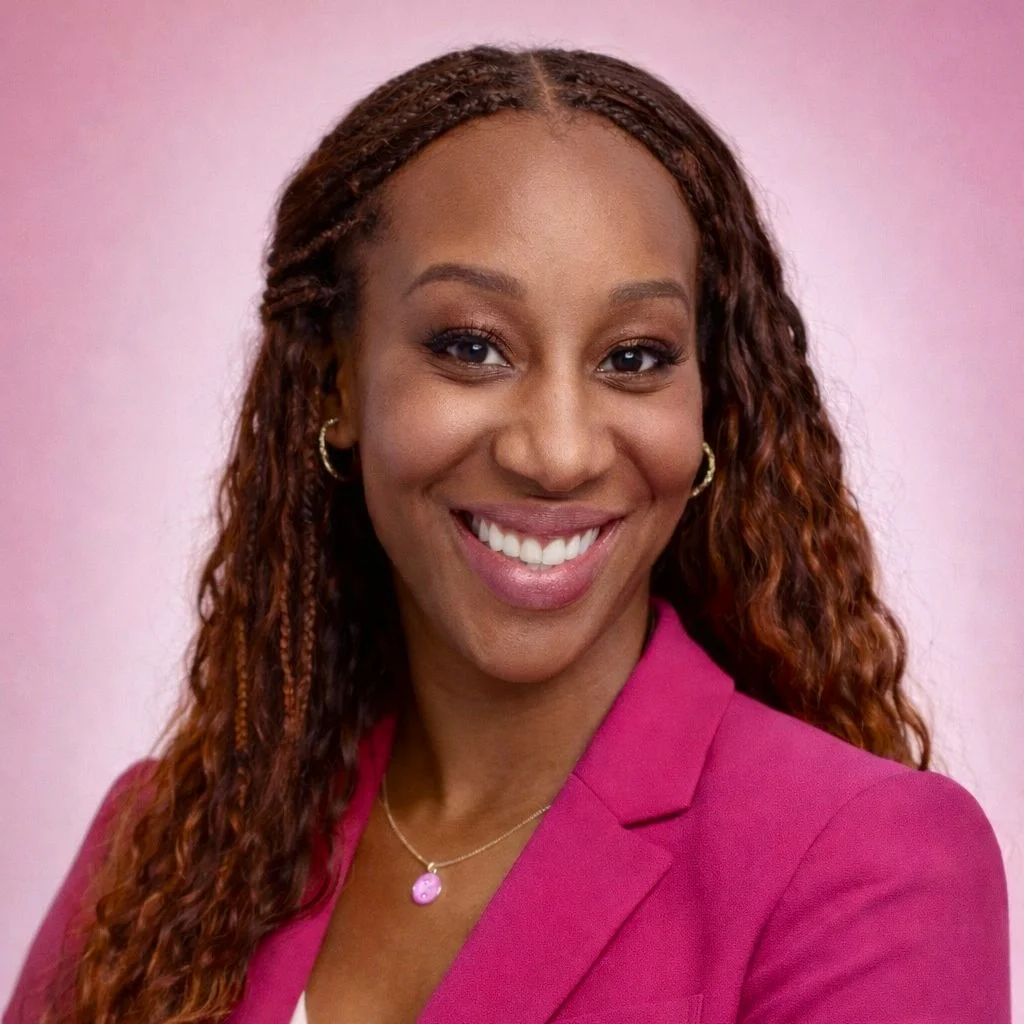
Taylor Johnson was nearly 30 when she found a lump in her left breast. Her primary care doctor referred her for imaging, but she was denied a mammogram because of her age. She went ahead with a biopsy, which showed stage 2 triple-negative breast cancer. Johnson says she needed time to absorb the diagnosis before she could cry.
At the time of her account, Johnson was partway through a treatment plan involving six months of chemotherapy, followed by surgery and three weeks of radiation. Finishing chemotherapy brought a sense of confidence, though the emotional work remained. She was also thinking about her five-year-old daughter, who was watching how she handled the situation. “I was so used to always being the strong one,” she says. Weekly prayer calls and visits from family and friends helped her through treatment, as did her care team at Mayo Clinic in Arizona. Johnson says completing chemotherapy made her recognize the emotional and mental effort involved in continuing through treatment.
Charlotte Connor was 30 when she found a lump after having breast augmentation. Her doctor was initially unconcerned, partly because she was young. A mammogram and ultrasound showed no signs of cancer. She later wished she had asked whether an MRI was appropriate, but says she did not have one at the time. At a checkup six months after finding the lump, she was told she was fine. A year after the first appointment, the lump had tripled in size. A biopsy showed stage 2A ductal carcinoma, with cancer in the breast and nearby lymph nodes.
Connor says she stayed calm when she heard the diagnosis and focused on imagining life after treatment. While chemotherapy made her sick, she found herself thinking about restaurants she might visit once it was over. She describes herself as a realist, but says she deliberately leaned toward optimism. Her young daughter was part of that choice: Connor wanted to show her a way of facing stressful situations. Friends and family organized a head-shaving party before chemotherapy caused her hair to fall out. Making the moment lighthearted helped her through some of the hardest days.
Support can include rest, therapy and practical help
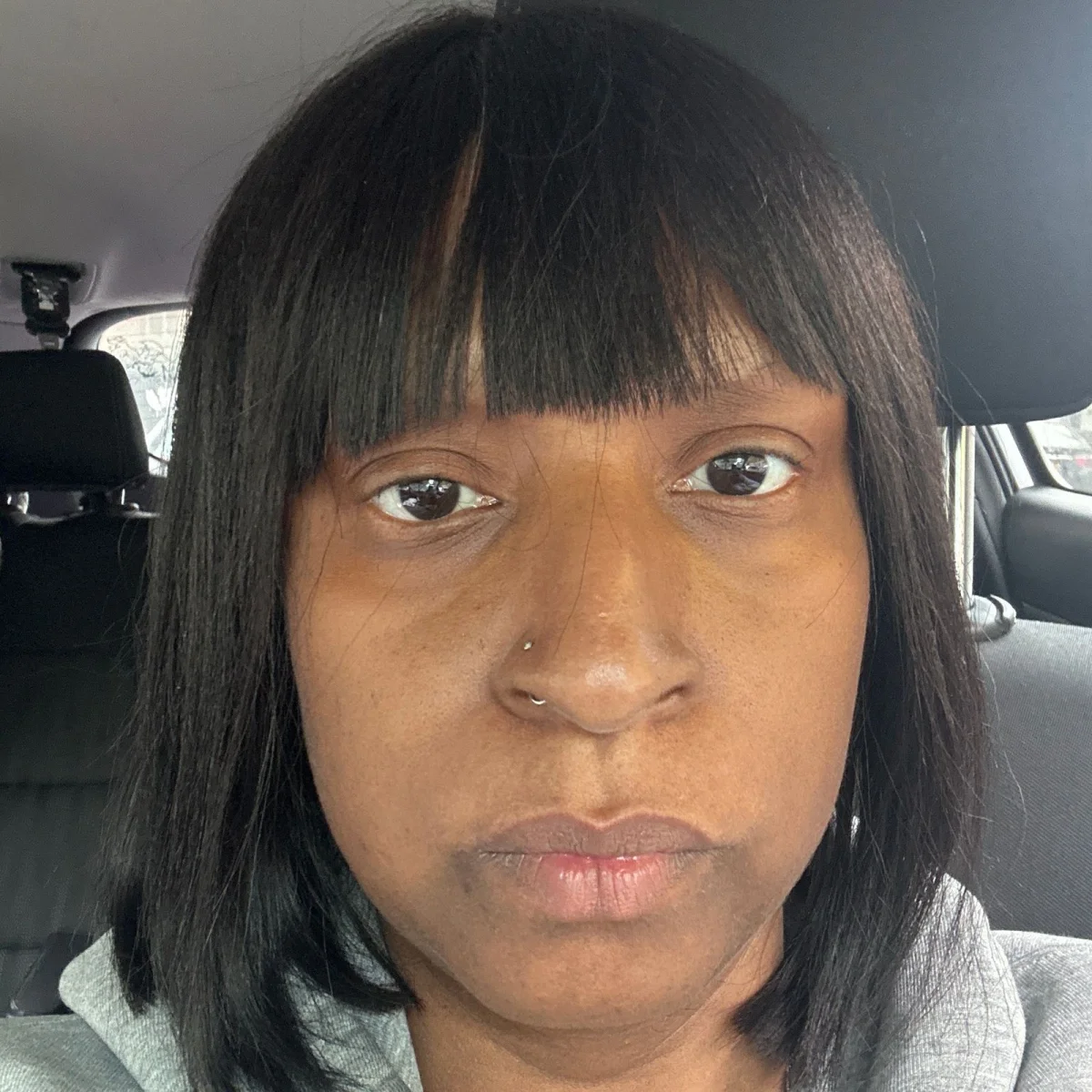
Jessica Ncube, 41, had built her professional and family life around caring for other people. She is a licensed clinical social worker, co-owner of a mental health practice and a mother. A routine mammogram found her cancer; she had noticed no physical changes. The diagnosis took time to sink in. Her first surgery was a lumpectomy, but the results did not clearly show whether all cancer cells had been removed. She decided to have a double mastectomy with reconstruction.
Ncube describes the loss of part of her body as a real loss even though surgery was intended to protect her health. She had to make space for grief and gratitude at the same time. Professionally, she was accustomed to being the strong person for others. During treatment, she worked on naming what she needed and allowing herself to receive support. Faith and community mattered, but she also had to reconsider the expectation that resilience meant pushing through without rest. After treatment, she described strength as honesty, softness and accepting that she didn’t have every answer.
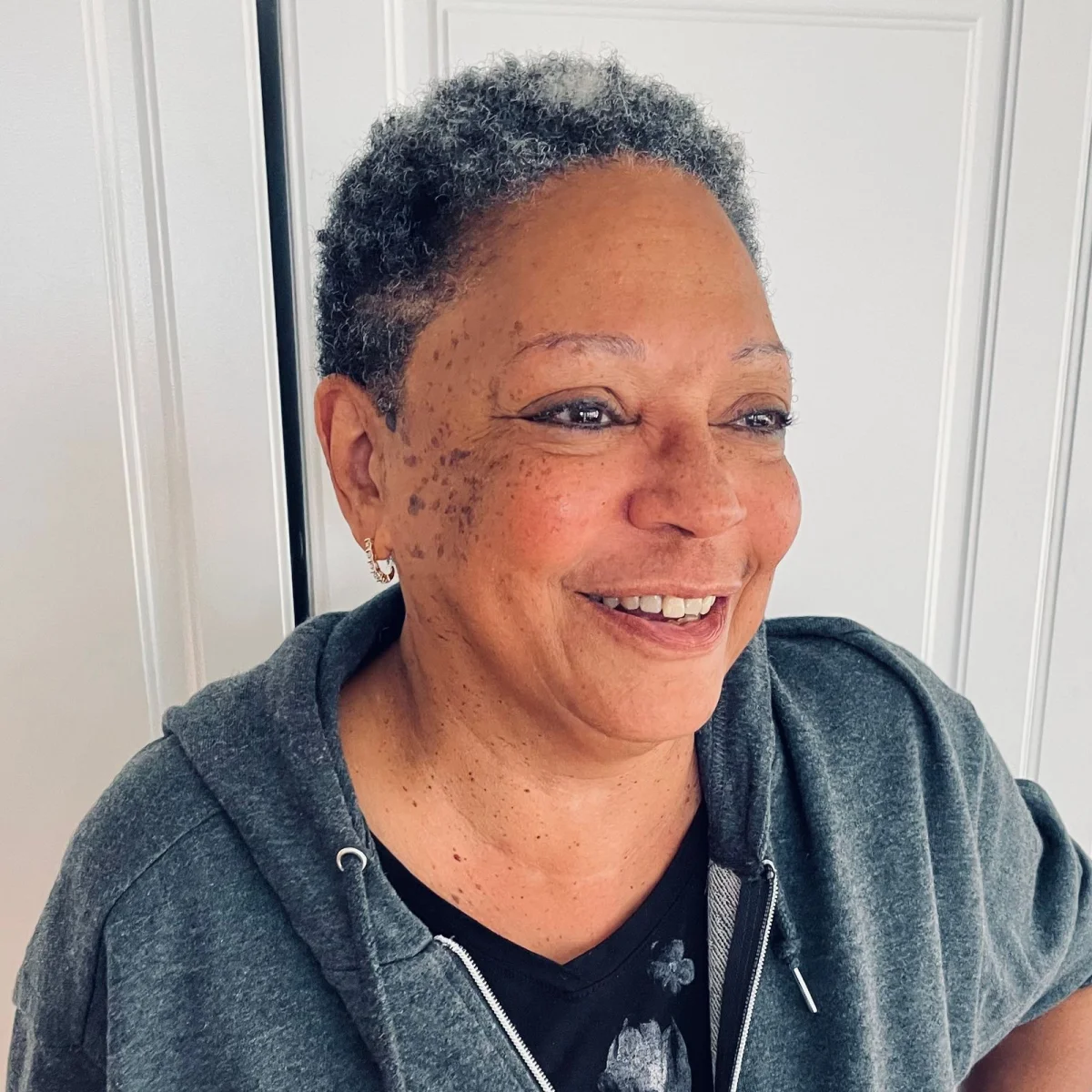
Patricia Fox was 26 when she woke up with a lump in her right breast. She booked an appointment with her ob-gyn that day. She says she was told that, as a young Black woman with dense breasts, the lump was likely a cyst and that staff were ready to send her away. It was smaller than a golf ball, but Fox remained uneasy. A biopsy showed estrogen receptor-positive stage 2A breast cancer. This type has estrogen receptors that can respond to hormone therapy drugs.
Fox remembers that her doctor told her she would be a breast cancer survivor, and says those words helped her imagine getting through treatment. The reality was still overwhelming. At her lowest point, she cried for hours and wondered whether the diagnosis was a punishment for being a bad person. Therapy helped her work through those thoughts and consider which relationships and behavior patterns were hurting her. It didn’t erase the pain, she says, but it improved how she coped with it. Fox now speaks openly about therapy and urges people not to suffer in silence.
For Ameiko Newman, the diagnosis came during an unexpected hospital visit for abdominal pain, rather than through routine screening. She was 40. Before the diagnosis, she had been going through a stressful period and felt uncertain about her direction. She says the experience pushed her to reconsider what she wanted from life. That is her personal interpretation, not a claim that cancer has benefits or that people should be expected to find meaning in illness.
Newman was still receiving weekly chemotherapy and immunotherapy at the time of her account. She described good days and bad days, and said church and daily prayer helped her keep going. She also redirected her business toward helping people in treatment, designing scarves with chemotherapy patients in mind. She initially had Black women in mind, while women from many backgrounds have since bought them. Her message is that a diagnosis doesn’t take away a person’s identity, and that helping others can be meaningful when someone has the capacity to do so.
Family, faith and a changed sense of purpose
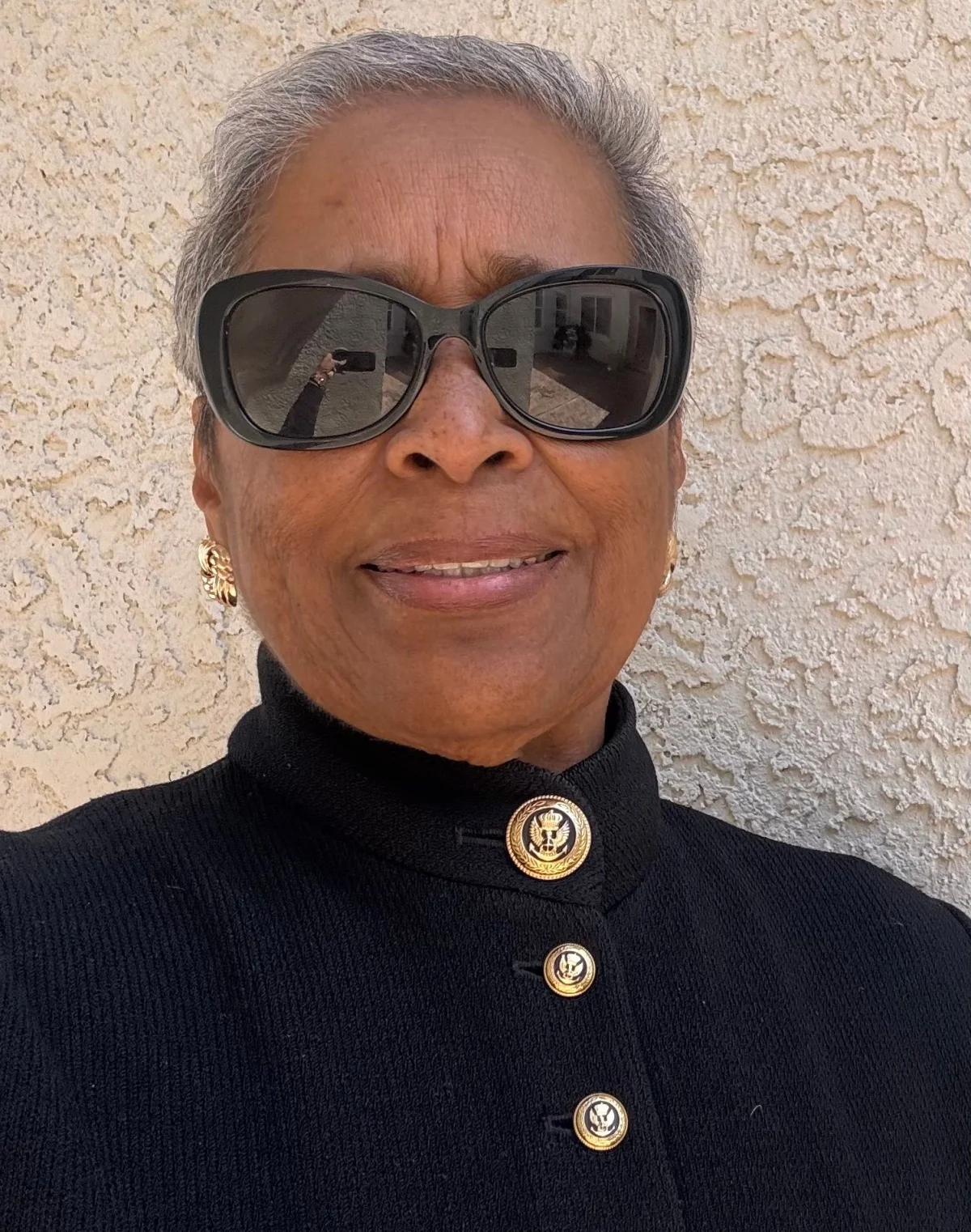
At 75, Judy Fambrough-Billingsley had spent much of her life active. She walked three miles a day, swam in summer, took Zumba classes and had played soccer for 30 years. She had never smoked or drunk alcohol and did not take medication. Born in Germany and later becoming a naturalized American citizen, she regularly traveled to visit family there.
After a clean mammogram, she initially ignored a lump. Six months later, when she felt another, she noticed that the lumps were growing and multiplying and returned to her doctor. The results introduced her to a medical world she had not known firsthand: prescriptions, hospital procedures and lab work. Her response was shaped in part by her upbringing during the Civil Rights Era. Her father was a Black entrepreneur, and both parents were lifetime members of the National Association for the Advancement of Colored People. She led the organization’s youth council and was active in the Student Nonviolent Coordinating Committee. Fambrough-Billingsley also worked as a community organizer.
She says the persistence she learned through those experiences is serving her during treatment. Her breast cancer journey is ongoing, and she draws on a long history of meeting challenges without giving up.
Ricki Fairley, now 69, was 55 and in an airport security line for a work trip when her doctor called about a small lump beneath her nipple. She initially told the doctor she would call back after reaching her destination. A few days later, she learned she had aggressive stage 3A TNBC. Compared with some other breast cancer types, TNBC has fewer targeted treatment options, can spread beyond the breast and is more likely to return. Black women have nearly three times the risk of developing this type compared with other women, according to the source article.
Fairley’s first year of treatment included a double mastectomy, intensive chemotherapy and radiation. She left her job, started a company, filed for divorce and later sold her home. She describes the diagnosis as prompting major changes in her life, though she also believed stress had caused her cancer. That belief is part of her personal account; her story does not establish that stress causes breast cancer.
A year later, Fairley learned the disease had spread. She was told she had two years to live. After learning that her doctor had treated only two earlier TNBC cases, both ending in death within eight months, she sought a clinician with more experience and knowledge of current research and treatment. Fairley says she overcame cancer a second time. At her daughter’s graduation, she began thinking about what to do next. She later cofounded The Black Breast Cancer Alliance, an organization working to reduce deaths among Black women.
Across these accounts, support takes many forms. It can be a parent driving to treatment, a friend making an ordinary moment funny, a therapist helping someone untangle fear, or a community member sending food. It can also mean asking for clarification, bringing written questions to an appointment, or seeking another clinical opinion when a concern persists. A person’s care decisions depend on their own circumstances and medical team, but these women’s experiences make clear that being heard and supported matters throughout the process.
The stories also resist a single definition of strength. For some, it meant pushing for further evaluation. For others, it meant accepting help, resting, grieving, praying, laughing or changing direction after treatment. Their experiences can’t tell another person what a diagnosis or outcome will be. They do offer a concrete reminder: breast health concerns deserve attention at any age, and people navigating diagnosis and treatment need room for both practical questions and emotional support.