Playing Katherine Jackson and writing her memoir have led Nia Long to reflect on grace, self-acceptance, motherhood and the freedom to choose her own path.
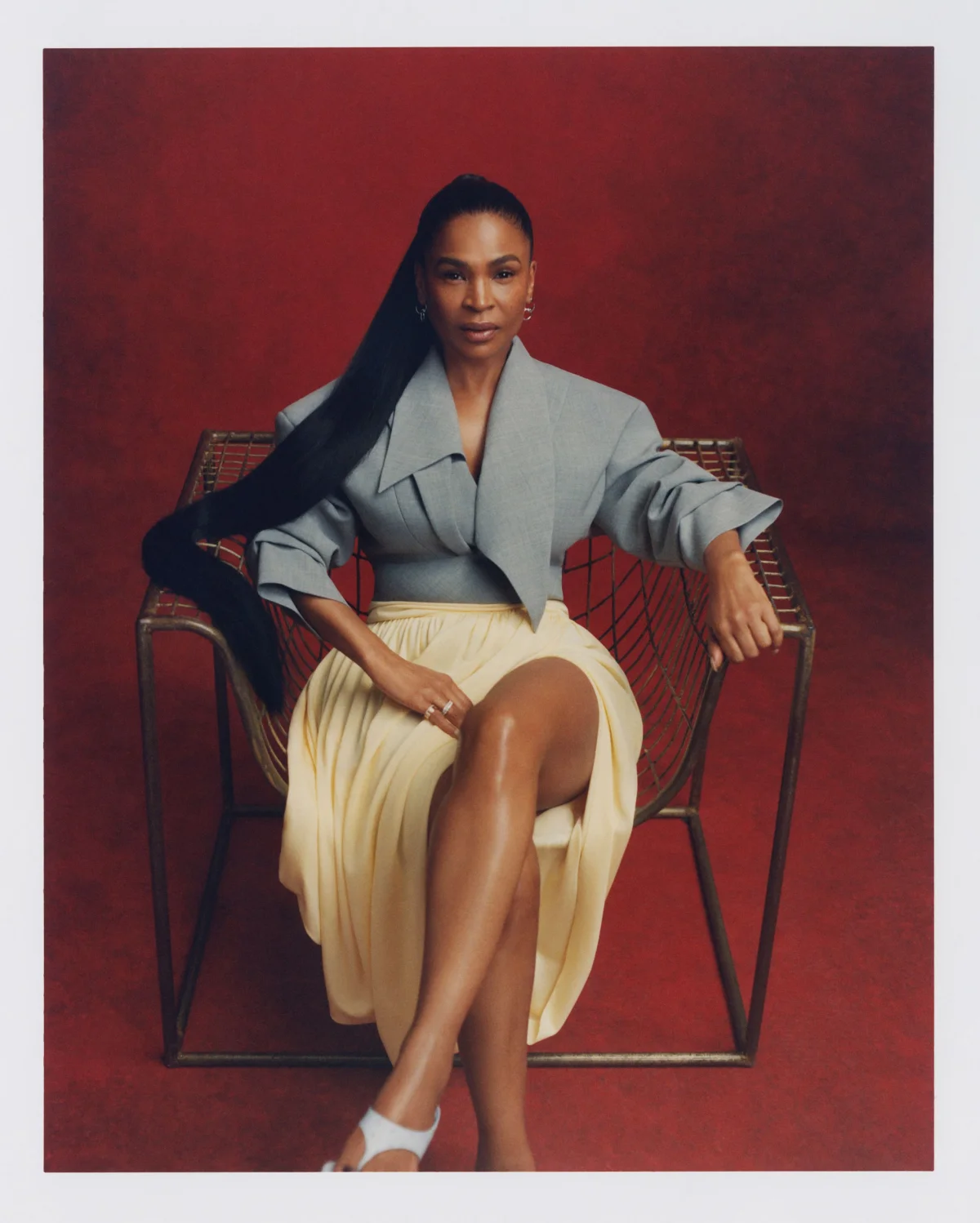
Nia Long’s latest work brings two kinds of reflection into view: the quiet discipline of playing Katherine Jackson in Michael, and the more personal challenge of revisiting her own life for a memoir. In both, Long is thinking about what it means to meet change with clarity, to let silence carry meaning, and to decide which parts of a public image still feel like her.
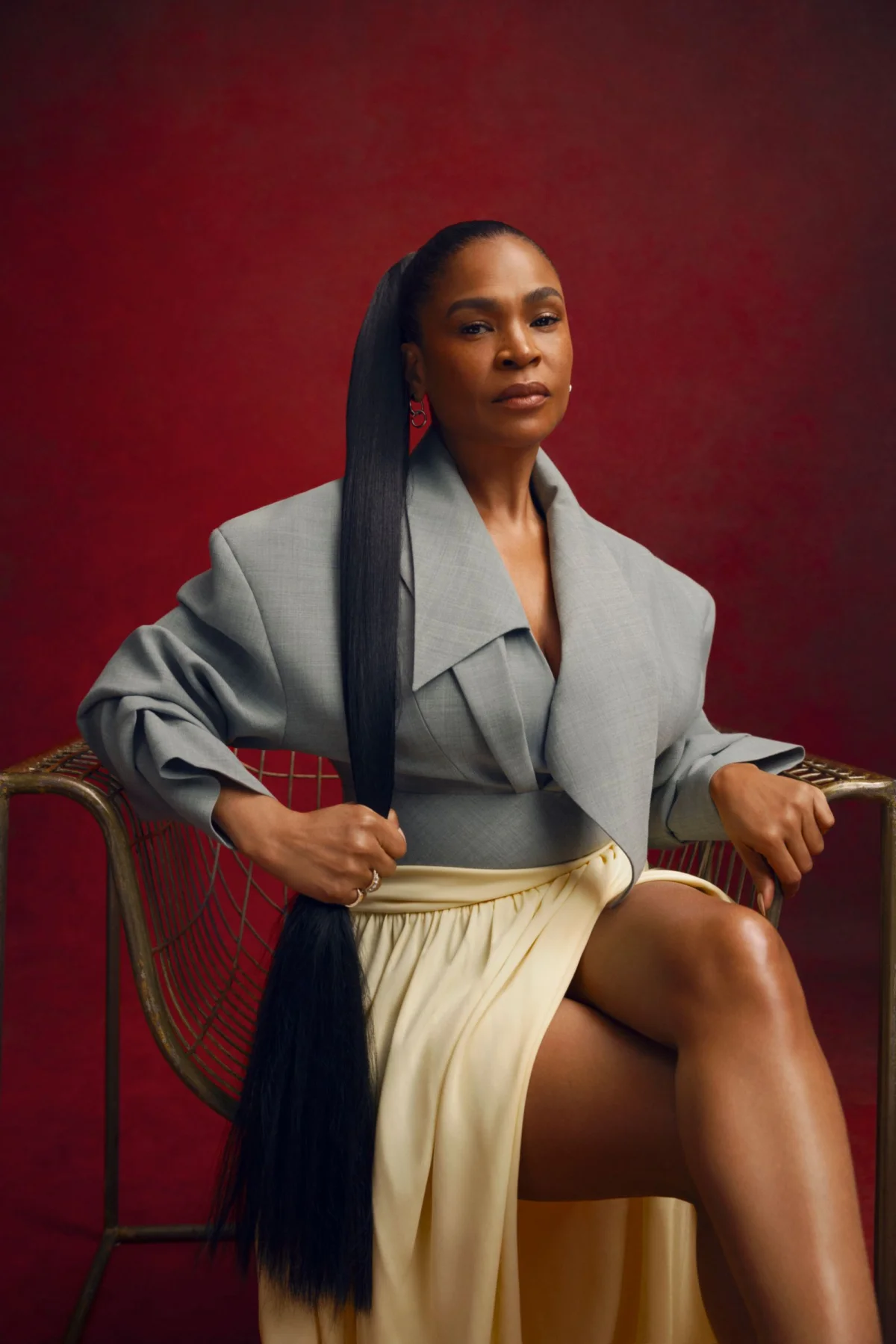
When we meet for lunch at the Chateau Marmont, I’ve just seen Michael, a month before its April release. Long plays the Jackson family matriarch, who is still alive at 95. The film’s version of Katherine stays composed as she watches her sons rehearse. Long gives the character few words, letting her attention and expression communicate care. The effect is a counterweight to Colman Domingo’s forceful Joe Jackson and Jaafar Jackson’s portrayal of his uncle Michael.
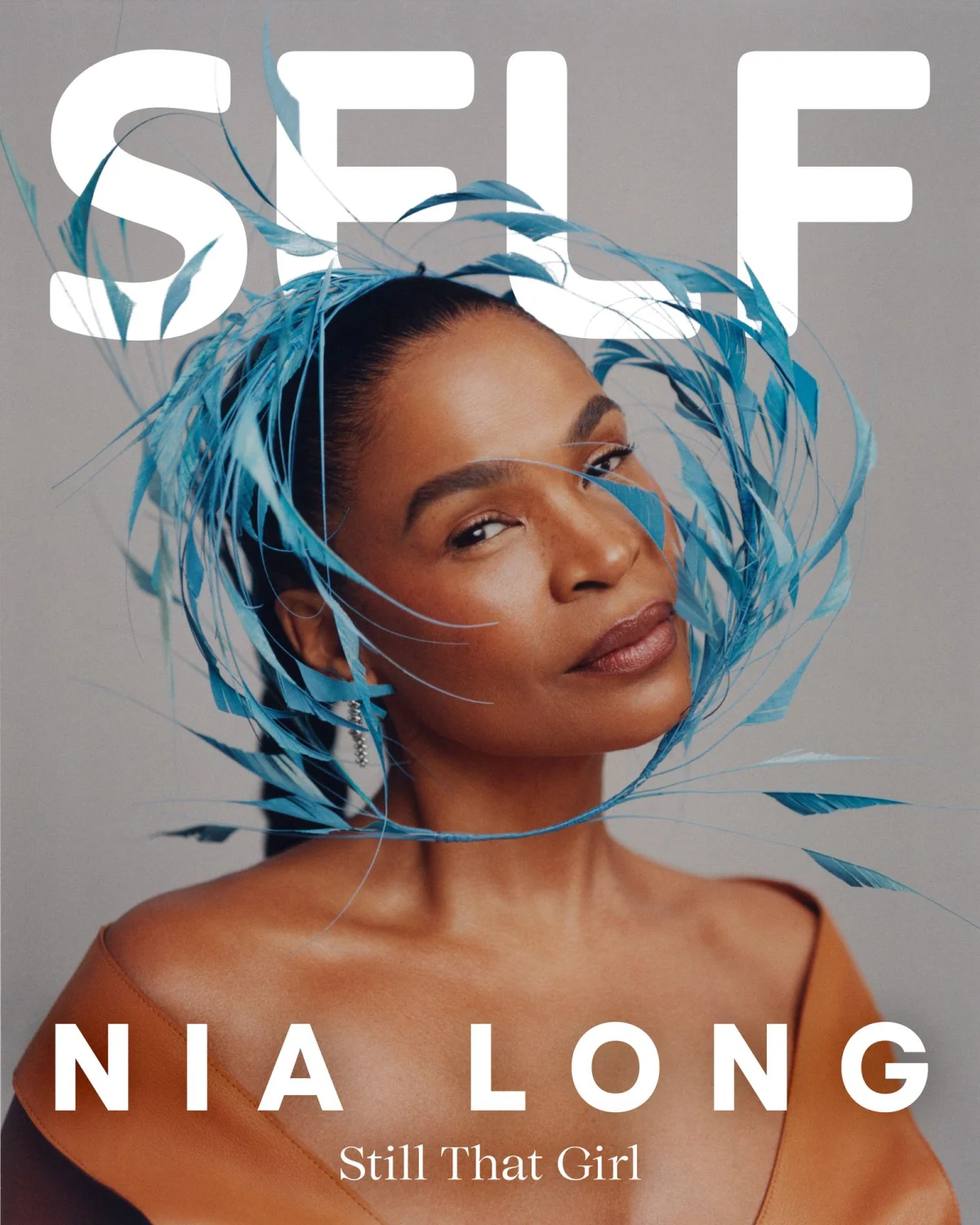
Long describes the role through one recurring idea: grace. She says that life has asked her to examine what matters beyond the noise of Hollywood, and that her children come first. Looking at Michael’s and Katherine’s lives, she sees grace as part of how people endure. “Sometimes grace is really quiet,” she says.
That quietness is part of the performance, but it isn’t the whole of Long’s manner. Across lunch, she is direct, warm and funny, with a keen eye for what people leave unsaid. The contrast makes her choices as an actor feel deliberate: stillness on screen can be an active decision, a way to give a character presence without making her explain herself.
A familiar image, still changing
For many viewers, Long is bound up with films and television from the 1990s. Her roles as Nina in Love Jones, Jordan in The Best Man and Lisa on The Fresh Prince of Bel-Air have become part of a shared memory of that era. The affection around those performances is about more than appearance. It also reflects the feeling those characters gave audiences, and the recognition many Black viewers found in seeing Long as a leading woman.
Long says her focus has been on work that feels truthful and purposeful, rather than on attention or awards. She believes people respond to something in her performances that makes them feel inspired or as if they know her. She appreciates that connection, while remaining realistic about the uncertainty of an acting career. “There’s highs and lows,” she says. “I’m having a great year, but I don’t know what’s happening next year.”
She’s also thoughtful about the responsibility she feels when portraying Black women. Her approach is to build a version of a character that feels true to her, while paying attention to how hair, makeup, clothing and dialogue shape what an audience sees. She doesn’t want a role to become a vehicle for someone else’s assumptions about Black women. That attention to detail carries a personal stake: representation is shaped by the choices made in the room, as well as by the finished performance.
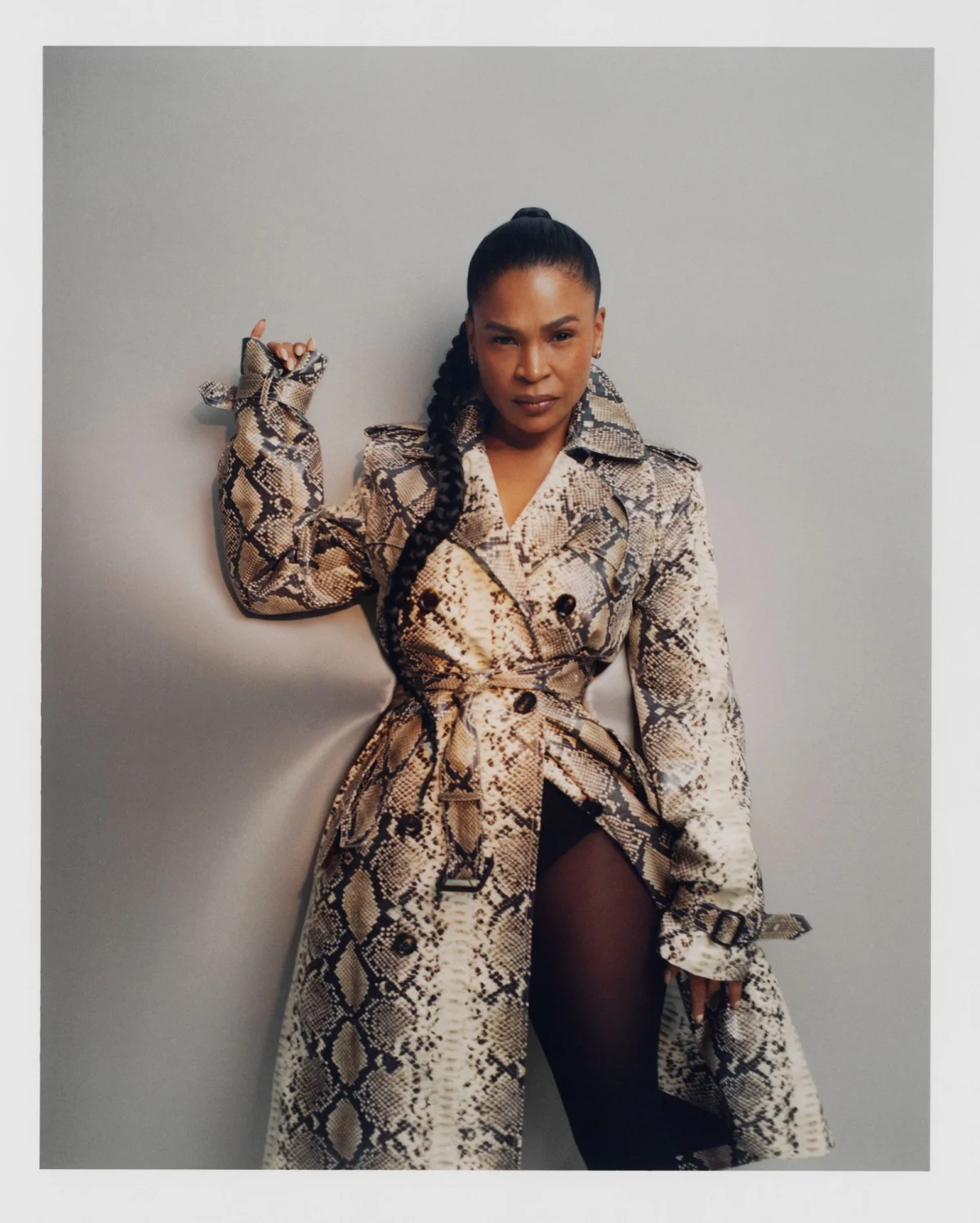
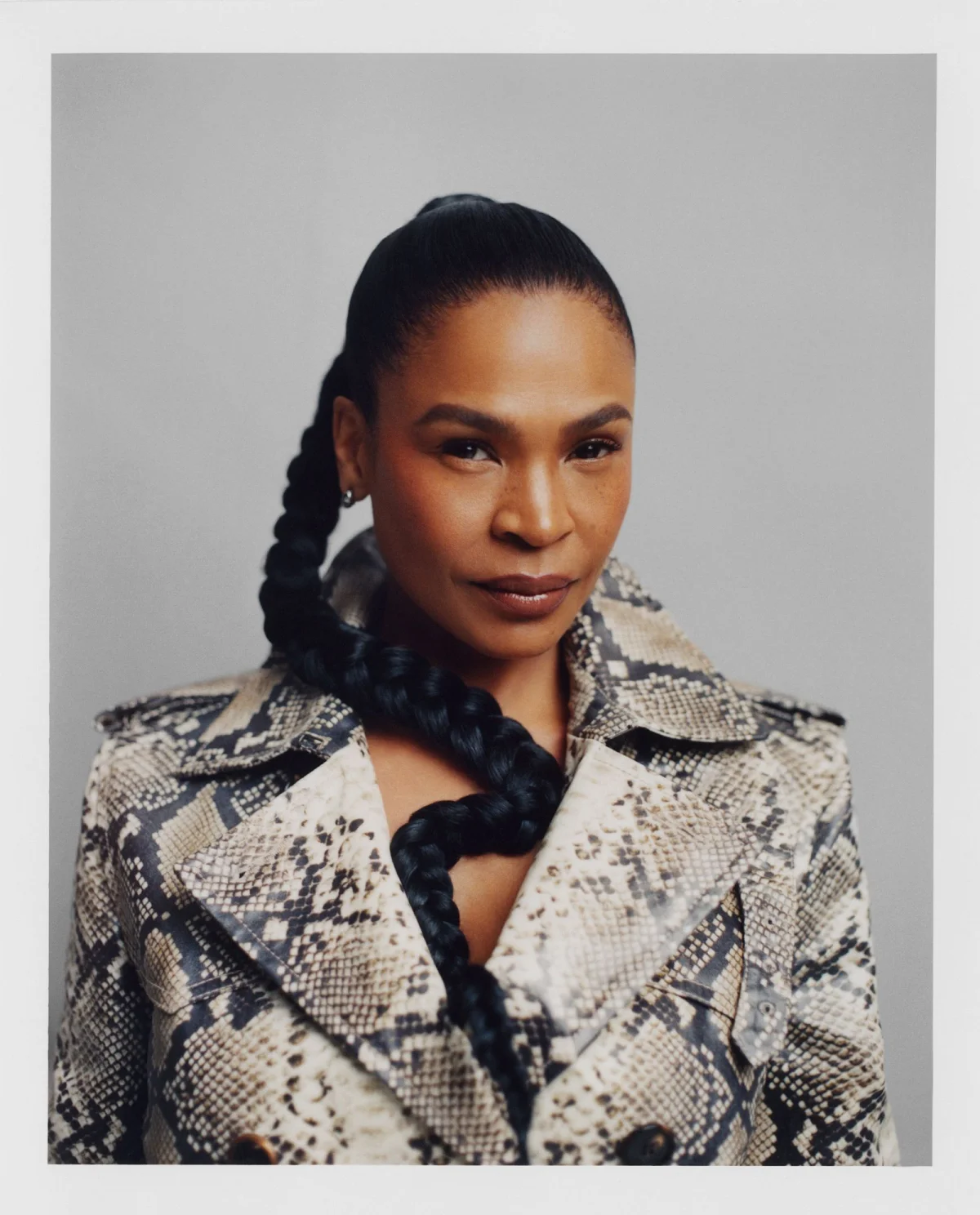
There’s a practical streak alongside that commitment. Asked about strategy, Long jokes that her main plan is to manage her money and build generational wealth. When she returns to the work itself, though, the measure is personal: she wants to recognize herself in what she makes.
That perspective sits alongside her awareness that an actor’s opportunities can shift from year to year, particularly for Black performers in Hollywood. Long doesn’t claim certainty about what comes next. She is looking for ways to broaden her work, including producing and developing stories both on and off screen.
A story about what comes after
One of those projects is Don’t Ever Wonder, a romantic dramedy she had recently finished filming in New York after three years in development. The film reunites her onscreen with Love Jones co-star Larenz Tate. Eugene Ashe directs; the ensemble also includes Blair Underwood, Susan Kelechi Watson and Algee Smith.
Long is careful to distinguish the film from a continuation of Love Jones. Its subject is what can happen later in life, after children grow up and leave for college, and a couple faces a new stage together. She describes the story as funny and painful, and values its honesty. The premise mirrors a broader interest in second acts: lives keep changing after the roles and routines that once defined them begin to shift.
That interest in change reaches beyond her screen work. Long is writing her first memoir, a process she calls one of the biggest and most challenging projects she has taken on. She has been working on it for two years, and says that reading earlier drafts can reveal that her feelings have changed since she wrote them. Her father, poet Doughtry Long Jr., who died in 2020, once told her that the hardest part of writing is knowing when to stop. She’s still working out where that point is.
The memoir returns to Long’s childhood in Iowa City, where she spent six years while her mother attended university. Long was born in Brooklyn and grew up in a Trinidadian household in a predominantly Black neighborhood. In Iowa, she encountered few other Black girls. Looking back, she sees how that difference affected her understanding of race and beauty.
Her family told her she was beautiful, but the wider world sent a different message. Long says that writing about the experience has helped her understand its effect on her self-acceptance as a brown-skinned girl. She sees an irony in later becoming a face for Estée Lauder, after spending childhood without feeling that the world recognized her beauty. The reflection is personal, but it also points to how cultural ideas of beauty shape who feels visible and valued.
Long’s fame has made her a reference point for Black women who grew up seeing her on screen. That recognition can be meaningful, but it can also preserve an image of someone at one age, as if a performer’s life and body should stay fixed there. Long speaks plainly about being 55 and experiencing hormonal changes and shifts in her body. She doesn’t treat those changes as a failure or a reason to give up pleasure. She wants to wear beautiful gowns on the Michael press tour and eat French fries, too.
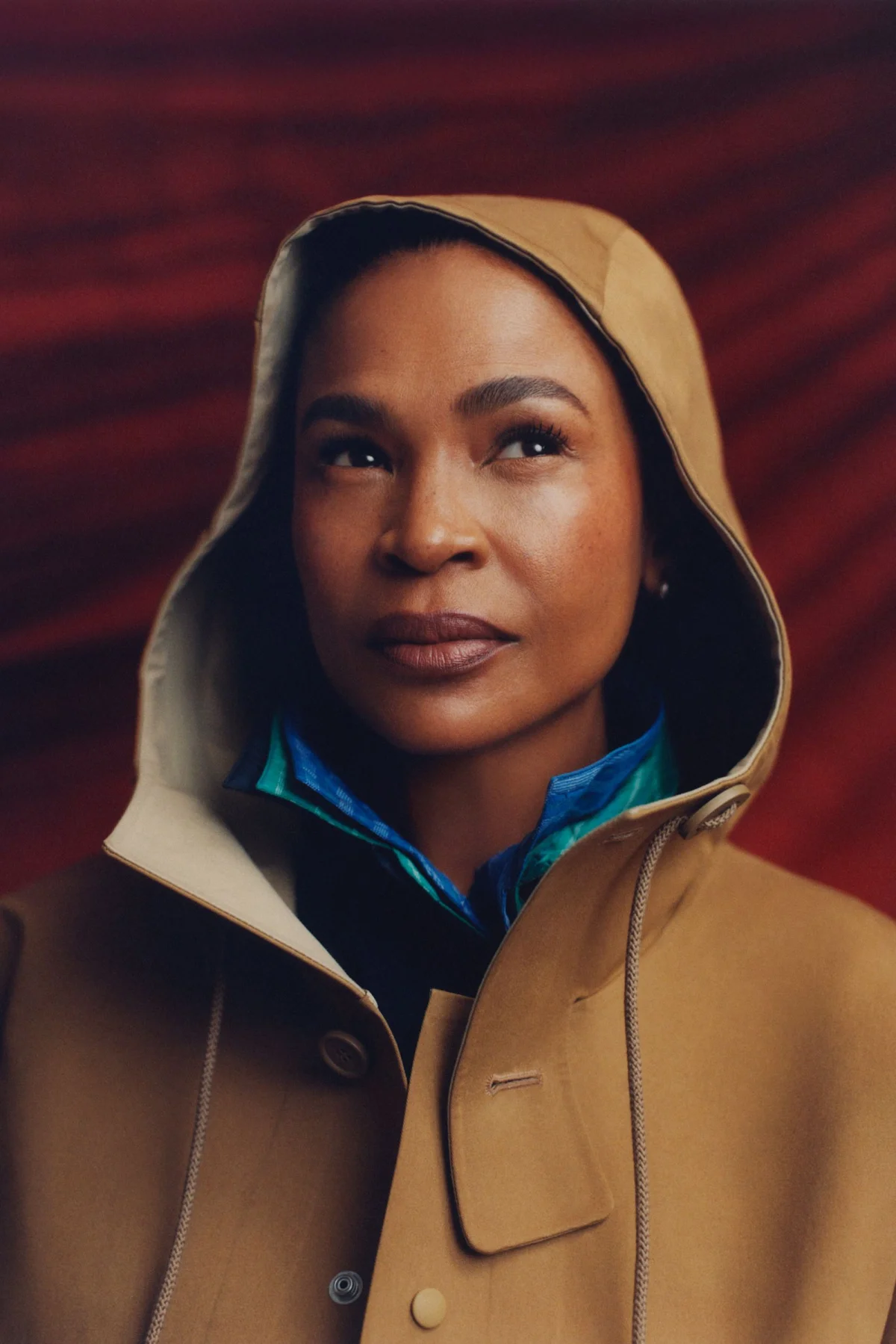
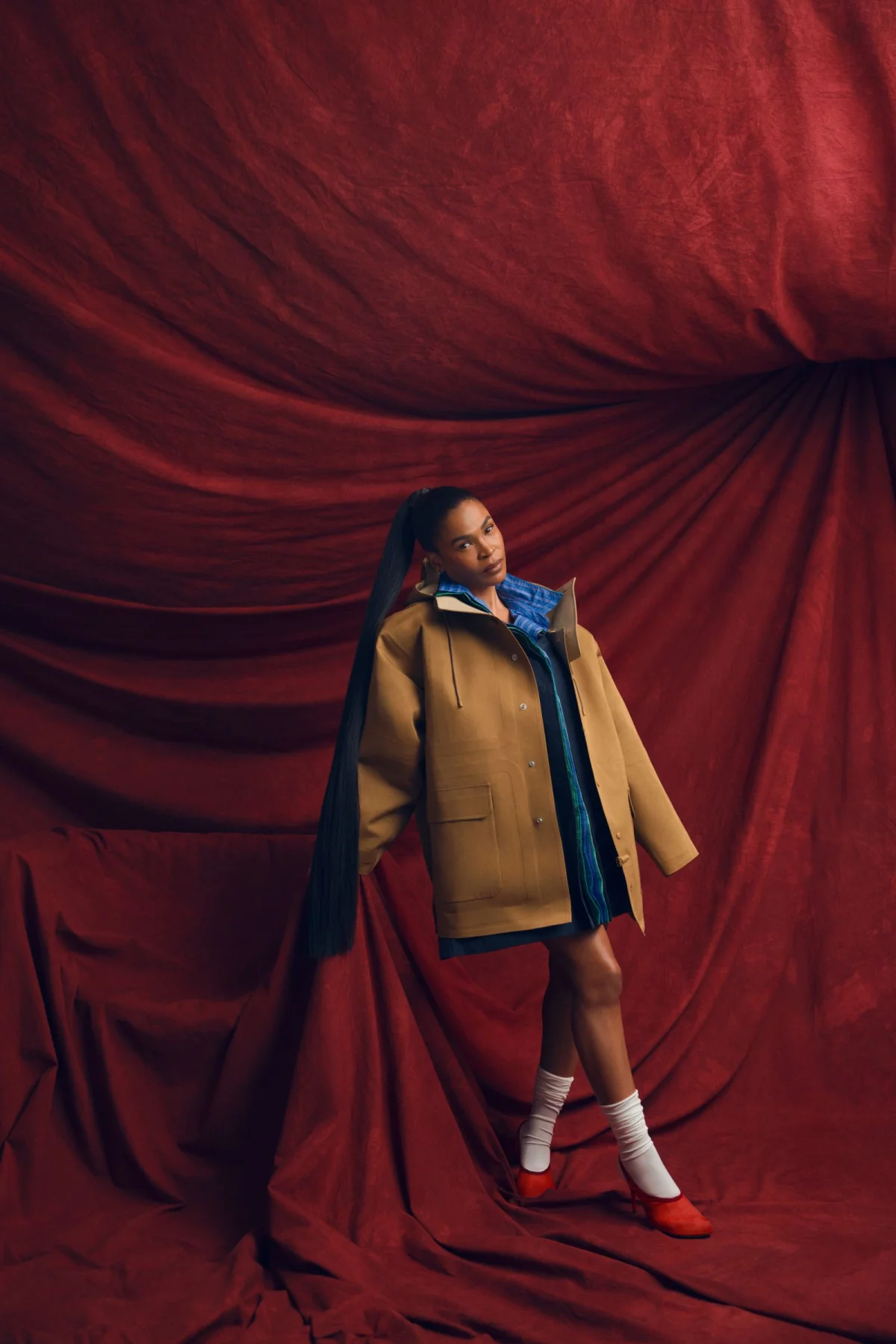
“I don’t deprive myself of anything that I want,” she says. “I find the balance.” It’s a small example of a larger point she returns to: self-acceptance doesn’t require pretending that change isn’t happening. It can mean acknowledging it and making room for what brings pleasure now.
Grace after a difficult ending
Our conversation turns personal when I tell Long that I’m interviewing her after the end of a 12-year relationship. She asks when it was really over, a blunt question that makes me laugh, then think. Long knows what it’s like to see private pain become public. In 2022, her relationship of 13 years ended after her partner’s infidelity became public. She now describes their co-parenting relationship as healthy and speaks about the experience without avoiding its difficulty.
She says she has spent time tending to herself, identifying what she needs to work on and what she needs to heal. She has also become clearer about what she cannot accept. Fans rallied around her when her relationship became a subject of public attention. Long is grateful for that support, but her own account includes more than a simple story of injury and response. She says she is proud of having extended grace, and recognizes that people make mistakes and that life can become messy.
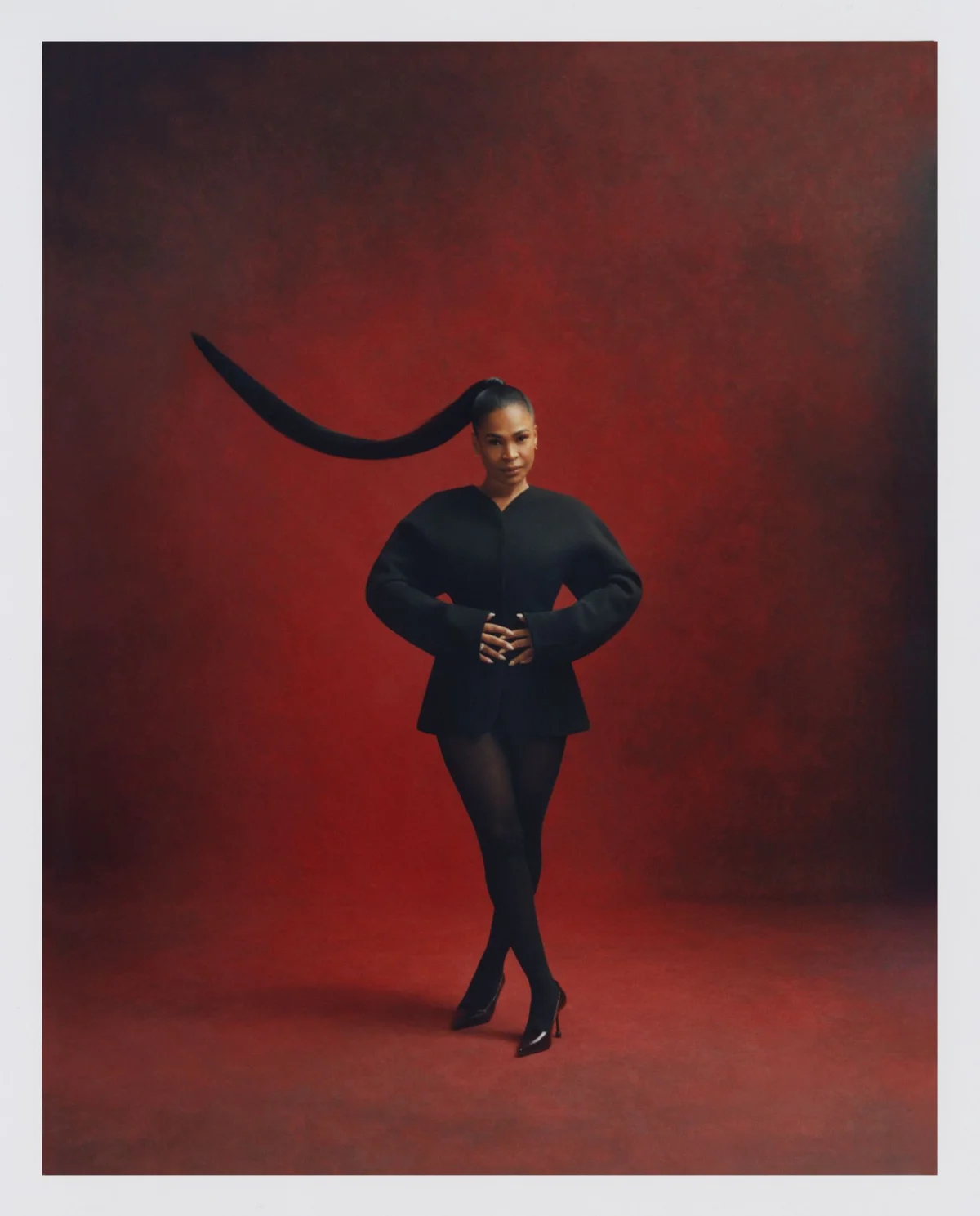
Her advice to someone trying to move through a breakup is simple and specific: write down everything you want to say to your former partner, but don’t send it. The point, she says, is to understand your own limits and commitment to self-respect, rather than making your next move a reaction to someone else’s behavior. Writing, meditation and prayer are among the ways people might manage the thoughts that keep circling.
That’s Long’s personal view, not a universal formula. What seems most useful in it is the distinction she draws between feeling something and letting that feeling dictate every response. She says people don’t have to meet another person’s actions with their own unresolved hurt. In her account, grace isn’t the same as accepting everything. It can sit beside boundaries and a clearer sense of what is intolerable.
For Long, this way of thinking connects the character she played to the life she’s lived. She doesn’t present grace as a performance of composure or a demand that anyone conceal pain. She describes it as a choice that can take examination and time. Writing a memoir, raising children, recovering from a public relationship ending and entering new creative work each ask something different of her; she meets those experiences by asking what they have taught her.
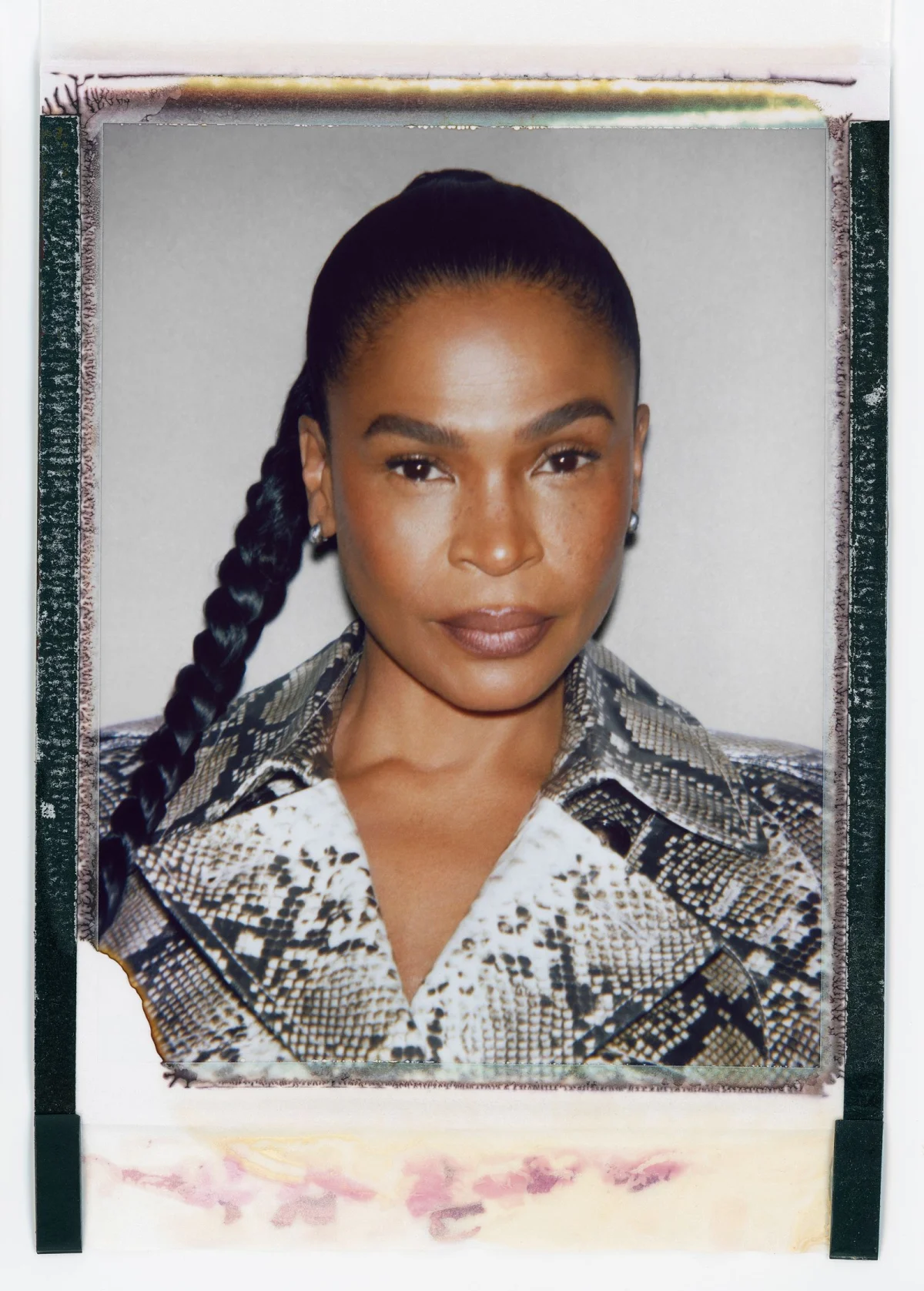
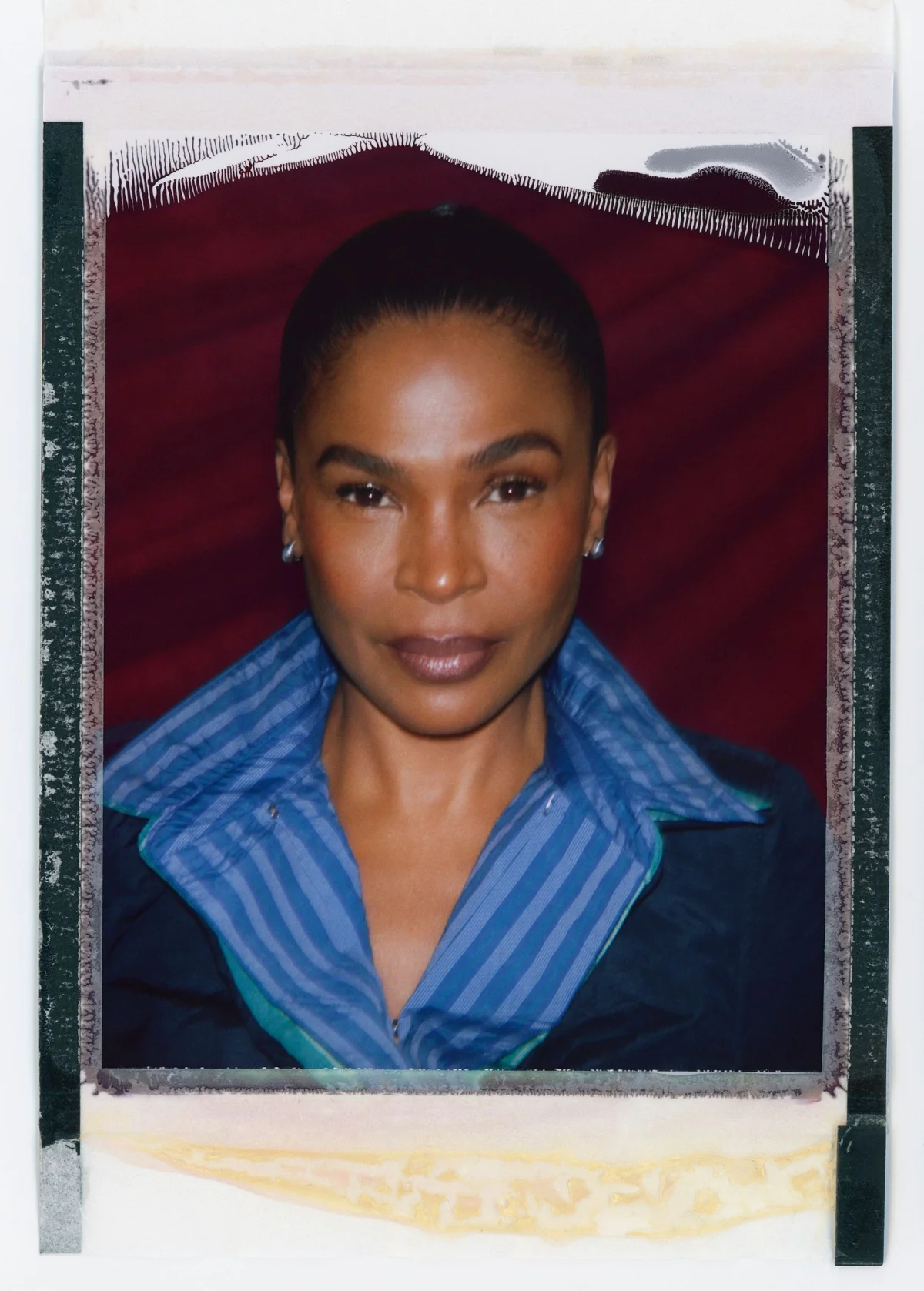
Choosing what freedom looks like
Long’s sense of freedom is grounded in ordinary choices. She traces part of it to her mother, whose self-possession made an impression long before Long understood it. Her mother wore leg warmers in summer because they suited her outfit, and didn’t take them off when her daughter felt embarrassed. Long can now see the independence in that refusal to let other people’s judgments set the terms.
By the time lunch ends, Long is preparing to go home for a pizza party with her younger son and his friends. Her older son is in his twenties; her younger son is 14. With more room in her family life, she says, she feels ready to expand in several directions and make more films. The memoir is another part of that work: a chance to look closely at the experiences that shaped her, even when the meaning of those experiences has changed over time.
Asked what freedom means to her now, she says it’s being able to do what serves her spirit, without living by other people’s ideas of what she ought to be. It doesn’t require an audience or a grand gesture. Sometimes it’s a choice made at home, for no one else’s approval. Long’s next chapter may include a new film, a memoir and a major role on screen. It also includes making pizza. Both count.
Photographer: Emmanuel Sanchez Monsalve
Stylist: Dione Davis
Set Design: Henrique Ciriloneto
Hair: Naeemah Lafond
Makeup: Keita Moore
Manicurist: Sonya Meesh
Writer: Zeba Blay