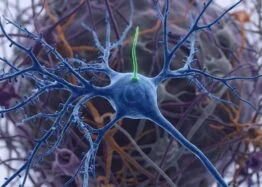
GLP-1 medicines may affect desire in different ways, but research is limited. Here’s what may shape sexual health and when to discuss changes with a clinician.

GLP-1 medicines may affect sexual desire and function in more than one direction. Some people report less interest in sex; others feel more comfortable, energetic, or confident as their health changes. The evidence is still developing, so these experiences don’t establish that the medicines directly cause a particular change in libido.
The medications, including semaglutide sold as Ozempic and Wegovy and tirzepatide sold as Zepbound and Mounjaro, are used to treat type 2 diabetes and support weight loss. They influence appetite, blood sugar, and fullness. Researchers are now asking whether their effects on the brain and body may also reach sexual wellbeing.
A review published in Obesity Pillars in March 2026 proposed possible links between GLP-1 medicines and desire, including effects on brain chemistry. The review is not proof that the drugs lower or raise libido. Research specifically measuring sexual outcomes remains limited, and people’s experiences can be shaped by health, relationships, body image, and other factors at the same time.
Why desire could change
Semaglutide acts on receptors for glucagon-like peptide-1, a hormone involved in appetite and blood sugar regulation. Tirzepatide acts on GLP-1 receptors as well as receptors for a related hormone. Both medicines affect signaling in the brain and body, explains James Simon, MD, an ob-gyn and reproductive endocrinologist who co-authored the review.
Some patients describe a reduction in “food noise,” or persistent thoughts about food. Dr. Simon suggests that changes to brain pathways involved in appetite and reward could also affect interest in other pleasurable activities, including sex. That’s a proposed explanation, rather than a demonstrated effect in large studies of sexual function.
Another possible link involves serotonin. Early research suggests GLP-1 medicines may affect some serotonin receptors, including 5-HT2C. That receptor has been studied in connection with sexual side effects of selective serotonin reuptake inhibitors (SSRIs), a class of medicines used for anxiety and depression. Some people taking SSRIs report lower desire or delayed orgasm.
Dr. Simon says it’s biologically plausible that medicines affecting related serotonin pathways could also influence desire or orgasm for some people. But a possible mechanism doesn’t tell us how often this happens, who is most likely to notice it, or whether a change is caused by the medication. Those questions need more direct research.
Weight change may affect pelvic-floor muscles
Sexual function also depends on the pelvic floor, a group of muscles that support pelvic organs and contribute to arousal and orgasm. Pelvic-health physical therapist Iris Xu, PT, DPT, explains that these muscles help increase genital blood flow during arousal, relax and lengthen during penetration, and contract rhythmically during orgasm.
Weight loss can reduce pressure on the pelvic floor, which may make it easier for the muscles to support pelvic organs. A 2024 study in Archives of Gynecology and Obstetrics found that women with more body fat, particularly around the pelvis, had weaker pelvic-floor muscles than women with less. This finding concerns body fat and muscle function; it does not show that GLP-1 treatment improves sexual function.
There’s a counterpoint: weight loss can involve loss of lean mass as well as fat. Dr. Xu says preserving muscle can be harder during rapid weight loss, particularly without adequate protein intake or resistance training. Muscle loss can happen with weight loss by any method, and the specific effects of GLP-1 medicines on pelvic-floor outcomes have not been well studied.
In more severe cases, substantial loss of muscle and strength can contribute to sarcopenia. Some research has linked sarcopenia with poorer pelvic-floor function. Dr. Xu says reduced muscle support could affect arousal, orgasm intensity, or sexual function, but the evidence does not establish that GLP-1 medicines cause these outcomes. Research on muscle changes during treatment is also limited.
Physical changes don’t affect everyone the same way
People using GLP-1 medicines can lose a substantial share of their body weight. Studies have reported average losses ranging from about 10% to 20% among people who are overweight or living with obesity. Results depend on factors such as the medicine, dose, and length of treatment.
A change in weight doesn’t automatically bring greater confidence or desire. Sex and relationship therapist Joy Berkheimer, PhD, LMFT, says that rapid physical changes can leave some people feeling unfamiliar in their bodies, particularly if they have a long history of being judged against narrow beauty standards. Since desire and pleasure can be tied to feeling present and comfortable in one’s body, that adjustment may affect intimacy.
At the same time, changes in health can make sex feel more comfortable or appealing for some people. GLP-1 medicines are used by people managing conditions including obesity, insulin resistance, type 2 diabetes, and polycystic ovary syndrome (PCOS). Improvements in energy, comfort, or aspects of metabolic health may support sexual wellbeing, even if other changes in brain signaling reduce desire.
Dr. Simon points to pain and fatigue as factors that can make physical activity, including sex, less appealing. As body fat and inflammation decrease, some people may feel less achy and more energetic. Changes in body composition can also affect hormone levels. Body fat contains enzymes that convert testosterone into estrogen, and an imbalance in these hormones can affect sexual health. These possible benefits won’t be the same for everyone.
Blood flow matters, too. Research suggests GLP-1 medicines can improve some measures associated with vascular health, including blood pressure. Healthy blood flow supports arousal across genders. For people with vaginas, it contributes to clitoral engorgement, lubrication, and vaginal expansion. These findings offer possible ways health changes could influence sexual function; they don’t guarantee an improvement in desire or pleasure.
Confidence and relationships are part of the picture
Sexual desire isn’t determined by biology alone. Culture, self-image, relationship dynamics, and opportunities to connect can all shape how someone feels. In a society that often treats thinness as a measure of desirability, changes in body composition may boost confidence for some people who have felt excluded from that ideal. Others may not experience that change, or may feel unsettled by a changing body.
A 2025 survey from the Kinsey Institute and DatingAdvice.com found that 59% of GLP-1 users said the medication had affected their dating life; some described increased confidence. Justin Lehmiller, PhD, a social psychologist and Kinsey Institute research fellow, says confidence can make it easier to focus on pleasure and communicate sexual needs. Feeling self-conscious can instead draw attention toward worries about appearance.
Greater confidence might encourage someone to try dating or initiate intimacy more often, Dr. Simon says. Within an established relationship, it might make someone more open to a partner’s advances or to exploring positions they previously avoided. These changes in confidence and connection may improve someone’s sexual experiences even if the medicine also affects reward pathways linked to desire. A survey of users, however, can’t establish that the medicine caused those changes.
When a change is worth discussing
Libido naturally shifts over time. Stress, sleep, exercise, illness, hormones, medications, and relationships can all play a part. Berkheimer says a change after starting a GLP-1 medicine isn’t automatically a sign that something is wrong; it may be part of a period of adjustment. But if it’s distressing or affecting wellbeing or a relationship, bringing it up with a clinician is reasonable.
Sexual wellbeing is part of quality of life, says Betsy Dovec, MD, FACS, DBOM, a bariatric surgeon and obesity medicine specialist. Changes in desire or function can also be useful information about someone’s health more broadly. A clinician can help consider possible causes and discuss what options may be appropriate. Don’t change a medicine or its use without discussing it with the prescriber.
For a conversation, Dr. Dovec suggests plain language: “Something feels different,” or “I don’t feel like myself sexually.” A doctor or pharmacist can help review medication effects and decide whether further assessment is appropriate. The right response depends on the person and the cause; it may involve reviewing treatment, health habits, or other care with a clinician.
If pleasure feels harder to reach, Berkheimer suggests approaching intimacy with curiosity rather than pressure. Slowing down and paying attention to sensation, exploring massage or other non-goal-focused touch, and considering sex toys or pleasure aids are ways some people may broaden intimacy beyond intercourse. A body-neutral or Health at Every Size (HAES) sex therapist may also help someone work through changes in body image, identity, or relationships.
The clearest takeaway is that sexual changes during GLP-1 treatment can have several possible explanations, and current research can’t predict how any one person will respond. If a change is affecting your life, describing what feels different to a healthcare professional can help put it in context and identify next steps.
Related:
- On a GLP-1? This Is the Workout Plan That Helps You Keep Muscle
- How GLP-1s Are Quietly Reshaping Gym Culture
- The Ultimate Grocery List for GLP-1 Users, According to a Dietitian
Get more of SELF’s service journalism delivered to your inbox.