Small studies suggest broccoli sprouts may lower H. pylori levels, while long-term garlic findings are mixed. Neither is a proven substitute for treatment.
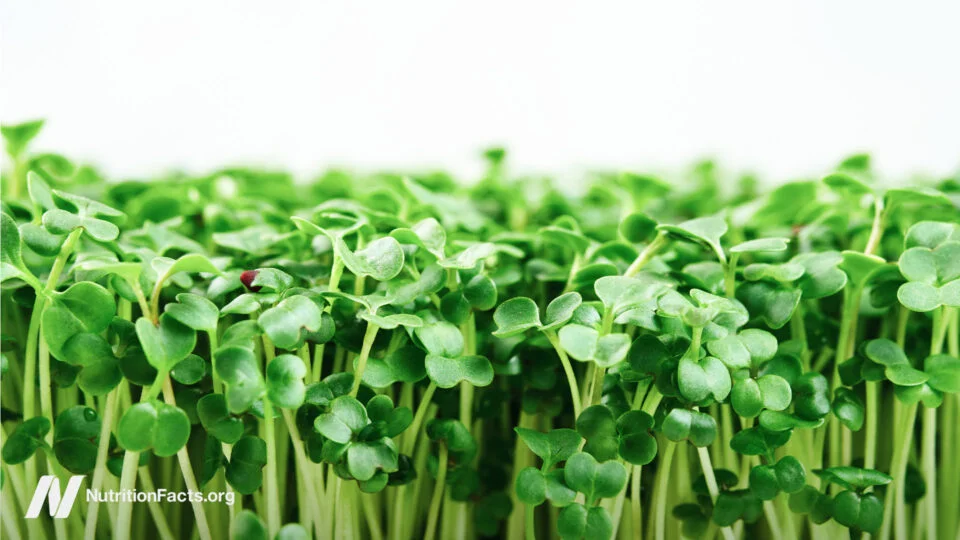
Broccoli sprouts may reduce H. pylori levels and stomach inflammation, but the available research doesn’t show that food reliably clears the infection. In one trial, standard antibiotic treatment eradicated the bacteria more often than broccoli sprouts. Garlic has also been studied, with mixed results over time. These findings make diet relevant to study, but they don’t establish either food as a replacement for medical care.
Diet may affect risk alongside infection
H. pylori infects the stomach and can cause long-lasting inflammation. Infection is linked to stomach cancer, and diet may influence risk as well. Researchers have described an interaction between infection-related gastritis and dietary factors in the development of the disease.
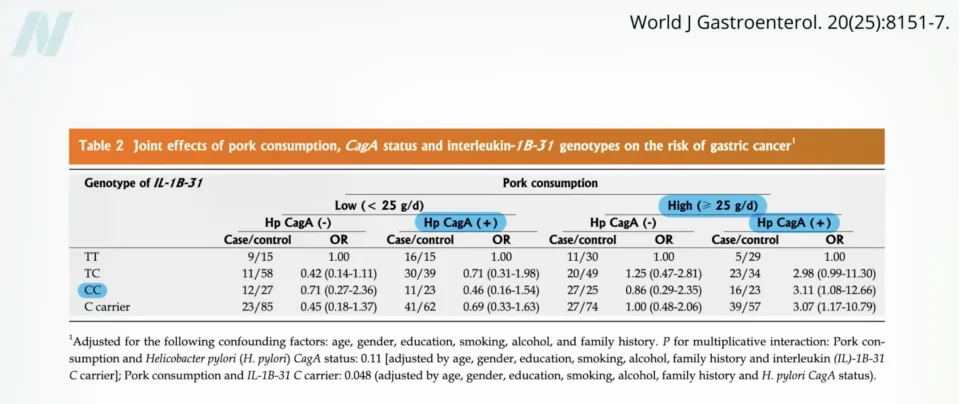
One study in China found that people with both a particularly harmful H. pylori strain and inherited vulnerability did not appear to have increased stomach cancer risk unless they ate about an ounce or more of pork daily. That observation points to a possible interaction among diet, infection and inherited factors. It doesn’t prove that pork caused cancer, or that changing pork intake would prevent it. An average pork chop weighs about six ounces, but the study’s finding is about an observed association, not an individual prediction.
Processed meats such as bacon, ham, hot dogs, lunch meat and sausage have also been associated with stomach cancer risk. One proposed explanation involves compounds formed when nitrites react with components of protein. Research has described DNA-mutating compounds associated with salted and pickled fish, and N-nitroso compounds can form through reactions involving nitrites. The mechanisms may help explain risk patterns, but they don’t establish what caused any one person’s illness.
Diet studies can be difficult to interpret. People may change what they eat because of stomach discomfort, for example, so a link between a food and disease doesn’t by itself show which came first. The same caution applies to reports that a food is protective.
What broccoli sprout studies found
Sulforaphane, a compound found in cruciferous vegetables, was first described for antimicrobial activity. After reports that people with ulcer symptoms felt better after eating broccoli sprouts, researchers tested the sprouts and their extracts. In laboratory experiments, broccoli sprout extracts suppressed antibiotic-resistant strains of H. pylori. Results in a dish, however, don’t tell us whether eating the food will clear an infection in people.
Small human studies have offered a closer look. In one report, some participants given about one-third of a cup of broccoli sprouts daily for a week cleared their infection. A randomized trial comparing broccoli sprouts with alfalfa sprouts found that the broccoli group had lower markers of H. pylori colonization and inflammation in the stomach lining. The participants consumed an amount described as equivalent to two or three servings of broccoli a day.
These results are encouraging but limited. A change in infection or inflammation markers is not the same as showing lasting eradication or preventing cancer. In a comparison cited in the source research, broccoli sprouts cleared infection in 56% of patients, while triple-antibiotic therapy cleared it in about 90%. The numbers come from the reported studies and don’t tell us which approach is suitable for a particular person.
Antibiotic treatment can involve several medicines and may cause side effects, which can make it difficult for some people to complete treatment. That’s a reason to discuss concerns with a clinician or pharmacist, rather than to substitute sprouts or supplements for prescribed care. A clinician can help assess whether testing or treatment is appropriate and discuss options if side effects or difficulty following a regimen arise.
Garlic evidence is longer term, but mixed
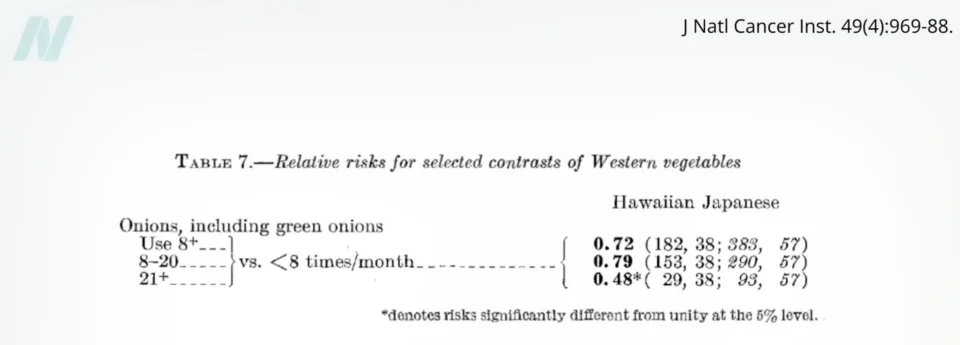
Garlic and onions belong to the allium family. Observational studies, including research dating back to Japanese migrants in the 1960s, have linked higher allium intake with lower stomach cancer risk. A review of many such studies also found an association. But the evidence has signs of publication bias: studies without a protective finding may be less likely to appear in published research. And observational research cannot establish that garlic or onions caused the lower risk.
There’s another possible explanation: stomach inflammation may lead people to choose blander foods because stronger flavors bother them. If so, lower garlic intake could follow illness rather than contribute to it. Laboratory studies showing that garlic can suppress H. pylori, including some antibiotic-resistant strains, don’t resolve that question. The concentrations used in a laboratory also can’t confirm that eating garlic will produce the same effect in the stomach.
A large randomized, double-blind study enrolled people at high risk of stomach cancer from 13 villages in China. Participants received different combinations of antibiotics, garlic supplements and antioxidant supplements. A few weeks of antibiotics were linked to fewer precancerous stomach growths seven years later and lower stomach cancer risk at 15 years.
Garlic supplements didn’t show a benefit at seven years, and the reduction at 15 years wasn’t statistically significant. A 22-year follow-up, published in 2019, found that people who had taken garlic had a significantly lower risk of later dying from cancer. The reported protective effect appeared among people who didn’t drink alcohol. That finding concerns long-term cancer outcomes; it doesn’t show that garlic eradicated H. pylori.
What to take from the research
Cruciferous vegetables, including broccoli, and allium vegetables, including garlic and onions, may fit into a varied diet. Population research has associated higher cruciferous vegetable intake with lower stomach cancer risk, but broccoli itself hasn’t been directly tested as a cancer prevention treatment in the evidence described here. Those associations don’t establish that a particular food prevents cancer or clears an infection.
If you’ve been diagnosed with H. pylori, or you’re concerned about symptoms or treatment side effects, a healthcare professional can explain the evidence and discuss next steps. Food research may help shape future studies, but for now, broccoli sprouts and garlic shouldn’t be treated as proven ways to eradicate the infection.
Related reading: Pickled Paradox: Kimchi’s Link to Stomach Cancer.