Food and gut microbes work together to shape health related compounds, but individual responses vary and the evidence has limits.
Diet can change which gut microbes thrive, and those microbes can affect what the body makes from food. Research discussed here points to two examples: some gut bacteria turn compounds in animal foods into TMAO, while other bacteria ferment plant fiber into short-chain fatty acids. The findings help explain why the same food may affect people differently. They don’t, by themselves, show that a particular diet will prevent or treat disease.
Animal foods, gut bacteria and TMAO
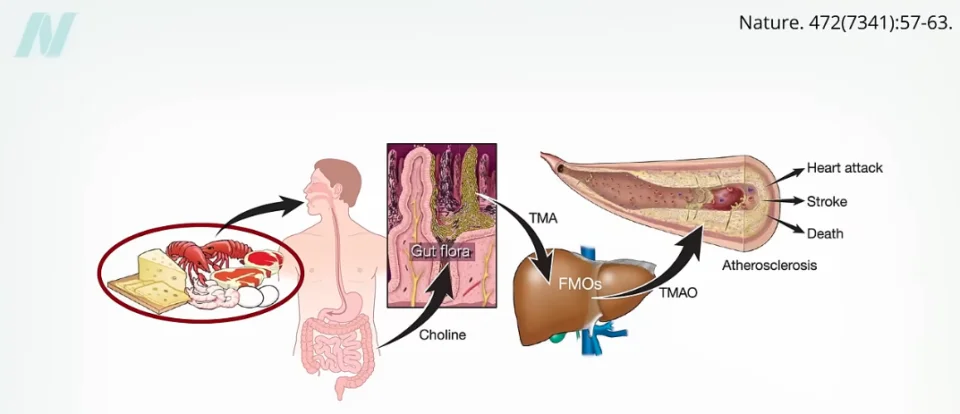
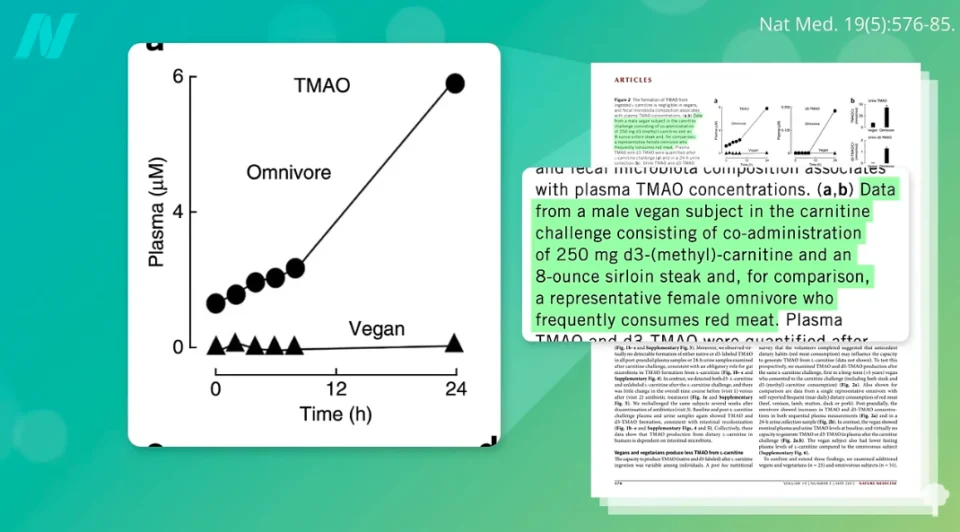
Carnitine and choline, found in foods including meat, seafood, dairy and eggs, can be used by gut microbes to make compounds that the body converts into trimethylamine N-oxide (TMAO). Higher TMAO levels have been associated with cardiovascular risk, but that association does not establish that TMAO directly causes heart attacks, strokes or deaths. The proposed pathway is described in this research.
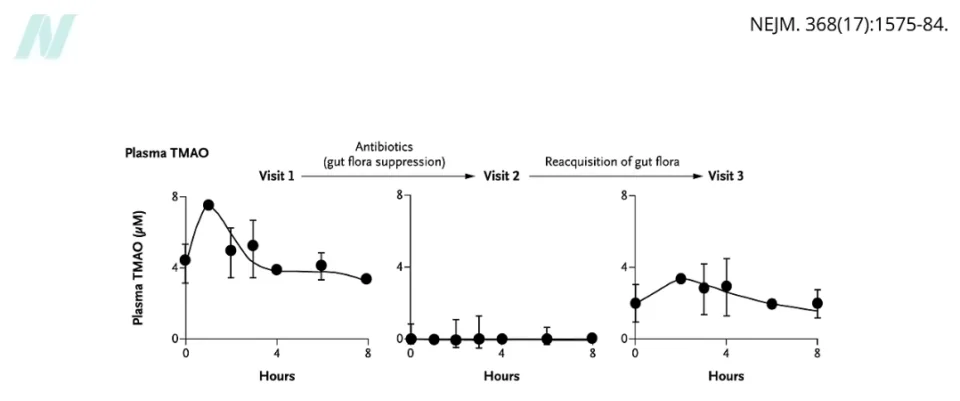
Small human studies illustrate how much the microbes matter. In one, eating two eggs was followed by a rise in blood TMAO within hours. After participants took antibiotics for a week, eating the eggs did not produce the same rise; once their gut bacteria had time to recover, the response returned. Antibiotics aren’t a practical way to manage TMAO: they affect many microbes and are used for specific medical reasons. The study’s value is in showing that gut bacteria help drive this process, not in suggesting treatment. See the egg study and the related video.
A similar pattern appeared when participants ate an amount of meat equivalent to an 11-ounce steak: blood TMAO increased, while the response was absent after antibiotics. The researchers’ interpretation is that both the food and microbes that process it matter. That doesn’t mean every person who eats meat will have the same response, or that one meal predicts an individual’s health. The meat study, research on the pathway (Nature), and a study of people eating different diets (Nature Medicine) provide context.
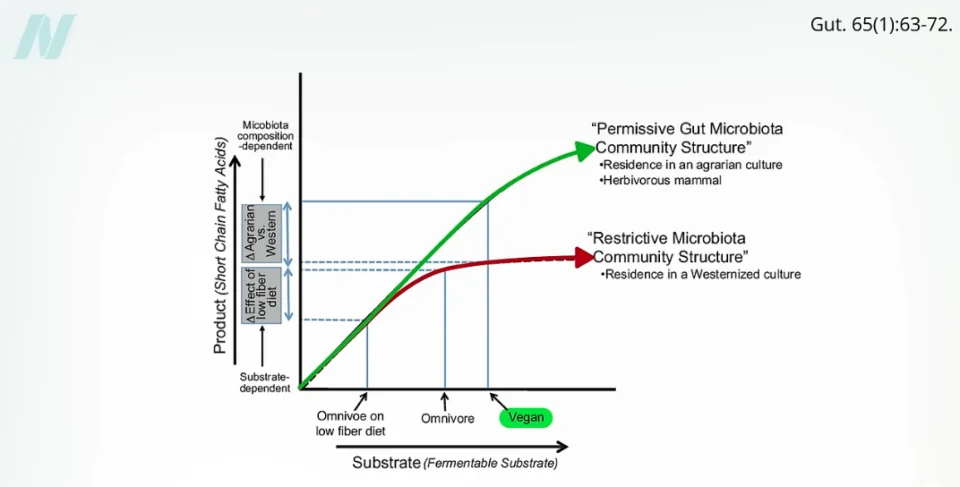
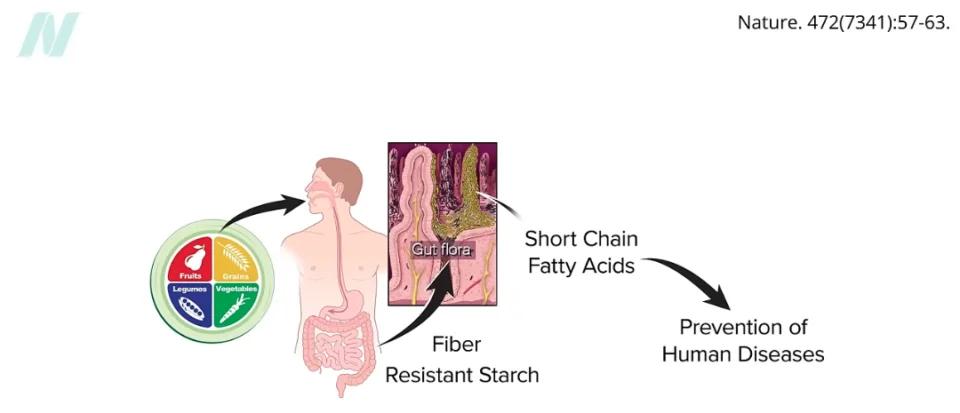
The reverse process is also relevant: microbes can ferment fiber and resistant starch from foods such as vegetables, fruit, whole grains, beans, nuts and seeds. This fermentation produces short-chain fatty acids, including butyrate. Researchers are studying how these compounds may affect the gut lining, inflammation and metabolism. The proposed benefits—including changes related to insulin sensitivity, body weight and cancer—should be understood as areas of research, not promised outcomes for any individual.
Why fiber intake may not affect everyone alike
Fiber provides material for microbes that can ferment it, but the microbes present also influence the result. In a short randomized crossover study, healthy middle-aged participants ate three daily servings of whole barley kernels for three days. The intervention added about 30 grams of fiber and resistant starch. On average, participants showed a 25% improvement in an insulin measure: their bodies needed less insulin to manage the blood-sugar response to white bread. Responses varied, however; some participants had marked changes, while others showed little effect. The barley study and research on differing individual responses (Cell Metabolism) help explain why a result seen on average won’t apply uniformly.
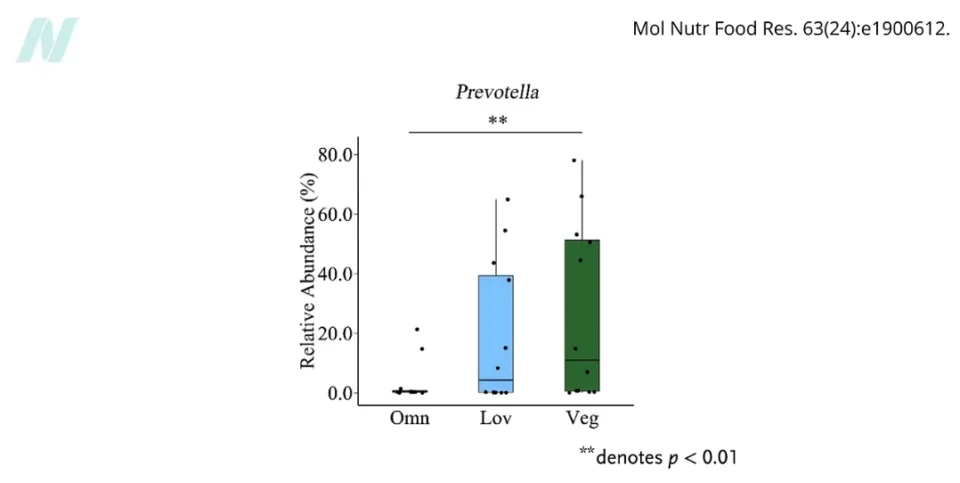
One possible reason is variation in fiber-associated bacteria, including Prevotella. Its abundance has been linked with long-term fiber intake, so a person’s usual eating pattern may shape the community that responds to a fiber-rich meal. Studies of rural African children eating largely whole plant foods have found high levels of Prevotella and short-chain fatty acids in stool (study). In industrialized populations, vegetarian and vegan diets have also been associated with more fiber-eating bacteria (study); another comparison reports differences in Prevotella abundance by diet (study).
What the evidence can—and can’t—tell us
Some studies have found differences in inflammatory markers between omnivores and vegetarians. The researchers suggest that animal foods may support a gut environment associated with inflammation and insulin resistance, while other research links plant-based gut microbes with potentially protective effects. These are findings about groups and possible biological pathways; they don’t establish that a person’s diet alone determines inflammation or disease risk. See the research on gut bacteria and inflammation (study) and the proposed connection between plant-associated microbes and health (study).
There may also be limits to how much benefit a person gets from adding fiber if the microbes that ferment it are less abundant. Long-term eating patterns may influence those microbes, but individual responses vary, and a plant-based diet can still be high in highly processed foods. Research has described whole-food plant-based diets as supporting a varied community of beneficial bacteria (study); that finding doesn’t make a single diet suitable for everyone.
The practical takeaway is modest: fiber-rich whole foods feed microbes involved in fermentation, and both food choices and a person’s existing gut community may shape the response. If you’re considering a major dietary change or have a health condition that affects what you can eat, a doctor or dietitian can help put the evidence in context.
Further reading
Related resources on gut microbes include Microbiome: The Inside Story, Prebiotics: Tending Our Inner Garden, What’s Your Gut Microbiome Enterotype?, Paleopoo: What We Can Learn from Fossilized Feces, Gut Dysbiosis: Starving Our Microbial Self, How to Develop a Healthy Gut Ecosystem, How to Become a Fecal Transplant Super Donor, How Our Gut Bacteria Can Use Eggs to Accelerate Cancer, and How to Keep Your Microbiome Healthy with Prebiotic Foods.
Related reading on TMAO includes Eggs, Choline, and Cancer, Carnitine, Choline, Cancer, and Cholesterol: The TMAO Connection, Egg Industry Response to Choline and TMAO, How to Treat Heart Failure and Kidney Failure with Diet, How to Reduce Your TMAO Levels, and Can Vegan Fecal Transplants Lower TMAO Levels?.