Small trials suggest fenugreek may affect several hormone related outcomes, but the findings don’t establish safety or benefit for everyone.
Small clinical trials suggest fenugreek may affect sexual function, menopausal symptoms, menstrual pain and breast milk production. The findings are interesting, but they come from separate studies with different participants and outcomes. They don’t show that fenugreek is a proven treatment, or that one preparation will have the same effects for everyone.
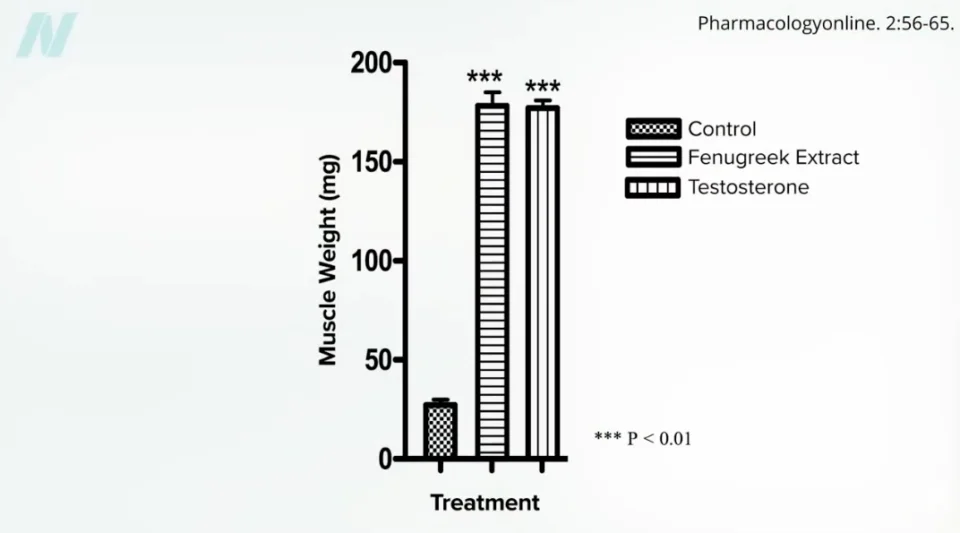
Earlier research in young men examined strength and body composition. In that eight week trial, participants were assigned fenugreek capsules or a sugar pill, and the fenugreek group showed improvements in strength measures and body fat percentage. A possible nuisance effect is a maple syrup like smell in sweat or urine. Separate studies in animals have explored whether testosterone could explain muscle related effects, but animal findings cannot establish how a supplement will work in people.
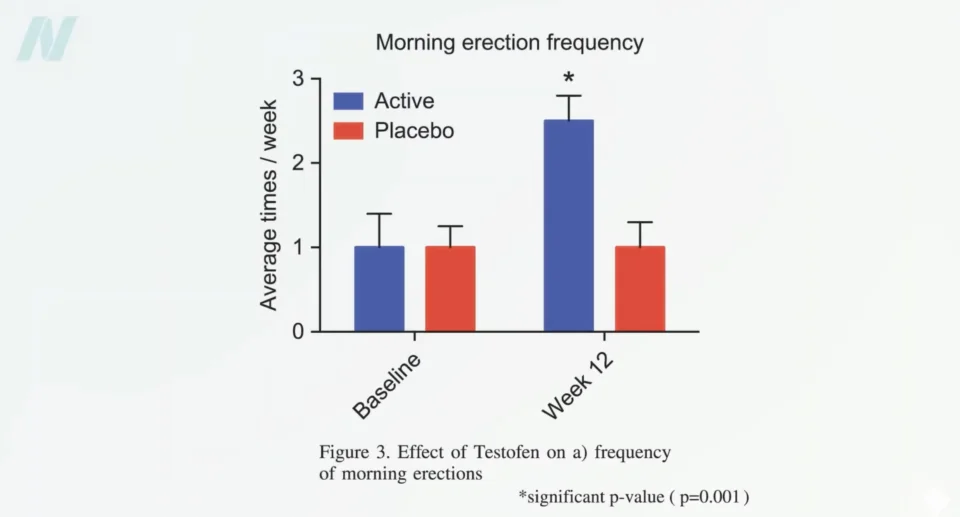
Human evidence on testosterone is also emerging. A review of four randomized controlled trials reported a significant increase in total blood testosterone with fenugreek. One trial reported improved sexual function in men, including roughly twice as many morning erections. These results describe particular study groups and measures; they don’t tell us whether fenugreek helps men with a diagnosed hormone problem, or how lasting any changes might be.
Sexual function and menopause
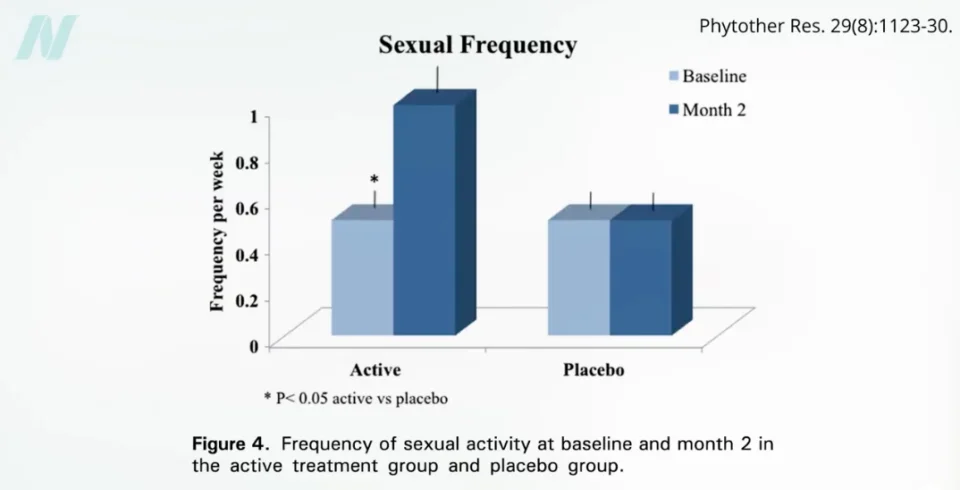
A trial in women reported increases in testosterone and estradiol among participants taking fenugreek, alongside improvements in sexual desire and function. The study authors also reported about twice the sexual activity compared with placebo. That result should be read in context: sexual activity is only one measure of sexual wellbeing, and a study result does not guarantee a similar change for other people.
The source discusses testosterone patches as another approach studied for sexual desire in women and notes concerns about blood clots and long term safety. The fenugreek findings don’t establish that the supplement is a safer or equivalent alternative. They also don’t settle which hormone changes, if any, account for the reported differences.
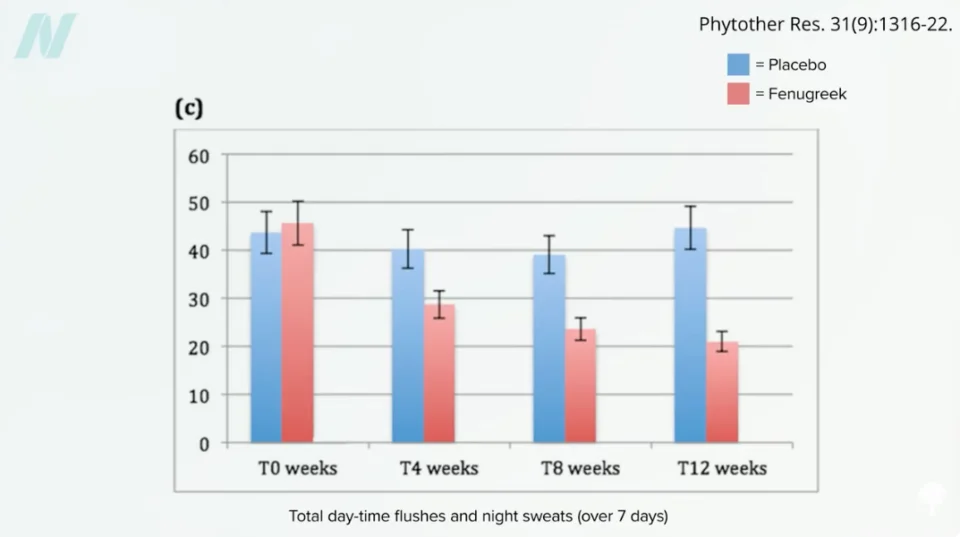
Menopausal symptoms were examined in a double blind, randomized, placebo controlled study lasting three months. Participants taking fenugreek reported improvements across the symptom categories measured. The study also reported that weekly hot flashes and night sweats were cut by about half. That is a promising signal from one trial, not proof that fenugreek reliably relieves menopausal symptoms across a wider population.
Menstrual pain and milk production
In a study of painful periods, participants took plain fenugreek powder in capsules during the first three days of menstruation and compared it with a sugar pill. The reported amount was about one third of a teaspoon three times daily. Participants taking fenugreek had a significant reduction in pain; headaches, fatigue and nausea also appeared to improve. Using ordinary powder makes the result relevant to a familiar form of the seed, but one study cannot establish the best way to use it or confirm that the same effects will occur outside the trial.
Milk production was assessed in a randomized, double blind, placebo controlled trial involving breastfeeding women. The daily supplement combined less than a quarter teaspoon of fenugreek and ground ginger with about one sixteenth of a teaspoon of turmeric. The study reported an increase of about 50% by the second week and a doubling by the fourth week. Because the blend contained three ingredients, the result can’t show how much, if any, of the increase came from fenugreek alone. It also doesn’t establish that the combination is appropriate for every breastfeeding parent or infant.
What the findings can and can’t tell us
Across these studies, fenugreek appears to be associated with several hormone related outcomes, but the evidence comes from distinct trials rather than one large body of research using a consistent product and approach. The reported changes do not establish long term effects, identify who is most likely to benefit, or resolve how fenugreek interacts with medicines and health conditions. Supplement contents and strength can also vary, so a result with a study preparation may not apply to every product.
Pregnancy calls for particular caution. The source describes concern that fenugreek may stimulate the uterus, based on laboratory animal data, and advises avoiding it during pregnancy. Since this concern is not based on human trials, the degree of risk in people is uncertain; anyone who is pregnant or could be pregnant can discuss fenugreek with a doctor or pharmacist before using it.
People considering fenugreek for sexual concerns, menstrual pain, menopausal symptoms or milk production can bring the study findings to a clinician or pharmacist, especially if they take medicines or have an ongoing health condition. The practical takeaway is that early trial results offer reasons for further study, while decisions about supplements should account for personal circumstances and the limits of the evidence.