The review found links between meat intake and poorer health outcomes, yet recommended maintaining consumption after weighing enjoyment and uncertain evidence.

The 2019 meat papers in Annals of Internal Medicine reached a strikingly permissive recommendation: people could continue eating red and processed meat at their current levels. Yet the papers’ own evidence reviews found associations between meat consumption and several serious health outcomes. The dispute centered on how the panel judged evidence and how it weighed health risks against people’s preferences.
The panel used the GRADE system, which was developed largely to assess evidence from drug trials, to rate research on diet. Because nutrition studies often cannot use randomized, blinded designs like those used to test medicines, critics argued that this approach could rate much of the evidence on diet and other long-term health factors as low or very low quality. That rating reflects limits in how confidently researchers can establish cause and effect; it does not, by itself, show that an observed association is absent.
The papers’ methods and recommendations drew criticism, as did their use of GRADE to assess the evidence base. The panel’s response was to give greatest weight to randomized studies and to rate much of the available nutrition evidence as uncertain. Critics said that a standard designed around drug trials may be a poor fit for questions where long-term dietary habits are difficult to assign and control. They pointed out that applying the same strict standards to research on fruit and vegetable intake, sugary drinks, alcohol, exercise, sleep, and exposure to smoke or air pollution could also leave many familiar health recommendations without high or moderate evidence ratings.
What the reviews found
Even with the panel’s evidence standards, its reviews reported associations between higher meat intake and cancer. Other analyses found that eating less red or processed meat might be linked with lower risks of premature death, cardiometabolic disease, and developing or dying from cancer. The guideline paper itself reported cancer associations and the review of lower meat consumption described possible reductions in several health risks.
The author of the source article cites estimates from the panel’s data: a moderate reduction in red and processed meat consumption was associated with 13% lower total mortality, 14% lower heart disease mortality, 11% lower cancer mortality, and 24% lower risk of type 2 diabetes. These are relative reductions reported from evidence reviews, not a prediction that each individual would see those exact changes. The figures also do not establish that meat intake alone caused the differences. The underlying research has limits, and the estimates should be read in that context.
Despite these findings, the panel recommended that people continue their current intake of both unprocessed red meat and processed meat. Its position was not that the reviews found no risks. Rather, the panel judged that the evidence was too uncertain to make a recommendation to reduce consumption, and that the possible health gains might not outweigh the personal cost of changing a diet people enjoy.
How preferences shaped the recommendation
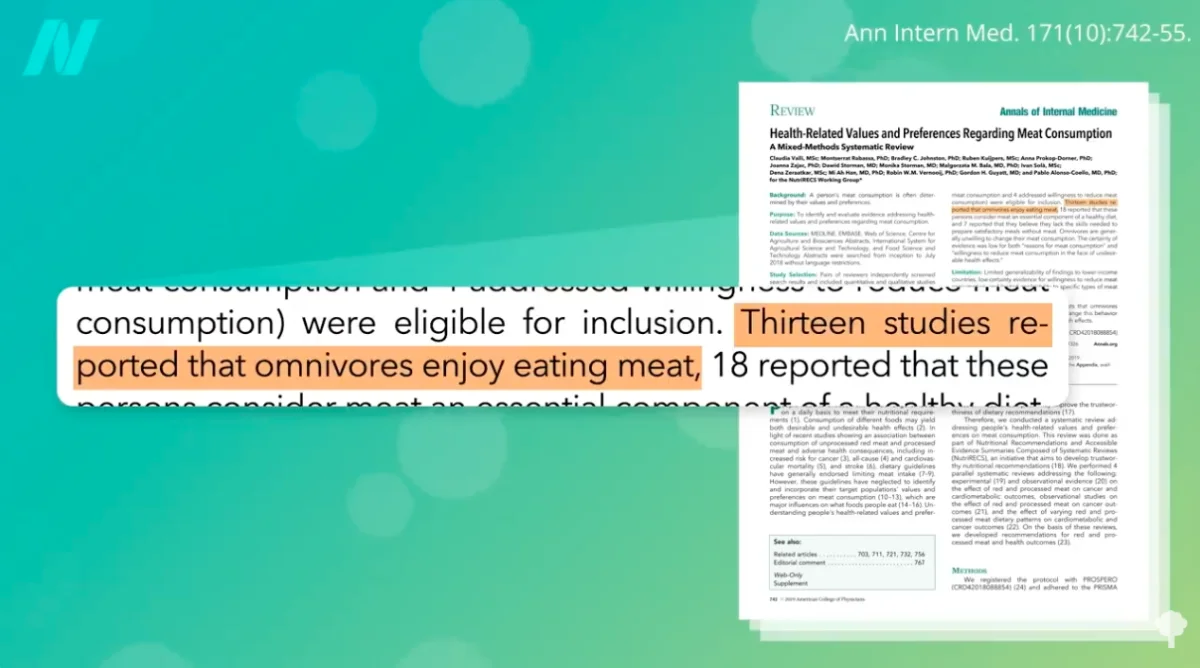
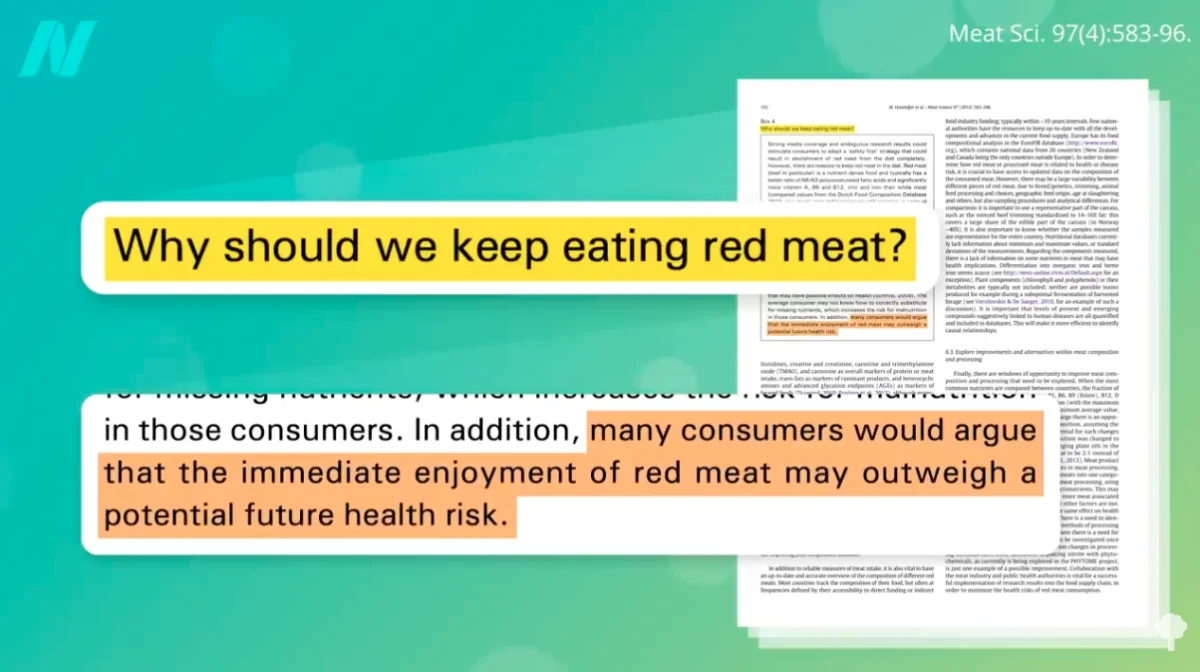
To account for those trade-offs, the panel reviewed research on food preferences. It found that many meat eaters enjoy meat and are reluctant to change their habits, even when they know about possible health concerns. The panel treated that enjoyment as a meaningful consideration in its recommendations. In its reasoning, people’s attachment to meat could make a reduction less acceptable, while the expected health benefit might not be large or certain enough to motivate change.
That approach prompted a broader question: should dietary guidance prioritize what people are willing to do, or what the evidence suggests could improve health? The source article argues that preference can explain why people resist change, but should not settle the question of whether a health risk matters. Enjoyment is real, yet it does not erase a potential association. The panel’s position illustrates how a guideline can weigh the same evidence differently depending on the importance assigned to personal choice and the burden of changing a habit.
The author also raised concerns about industry connections. The source describes the panel, NutriRECS, as having received support from a group with meat industry funding. It also points to the panel’s earlier paper criticizing sugar guidance and notes support from soda and candy interests. These details are relevant when readers assess how recommendations were developed, but funding ties alone do not prove that a conclusion is wrong. They do make transparency about funding and conflicts of interest important to evaluating the work.
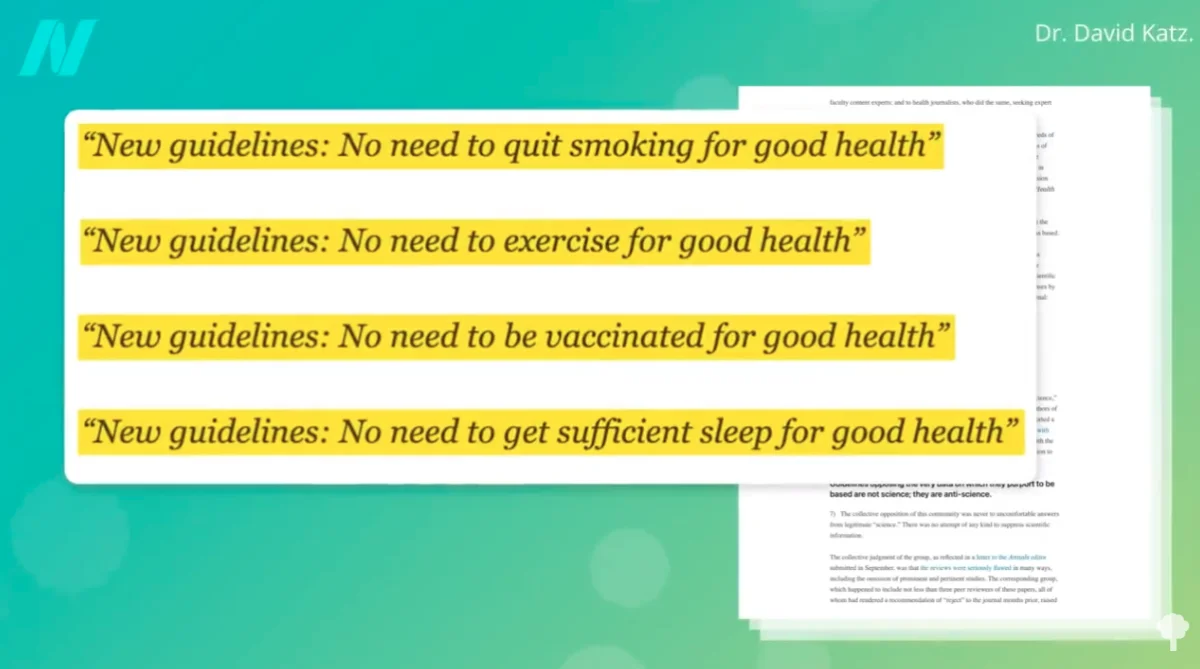
A related criticism came from Dr. David Katz, director of Yale’s Prevention Research Center, who argued that the same reasoning could be used to dismiss advice about smoking or exercise. His concern was that a recommendation based on the appeal of a behavior could understate its health consequences. The meat papers’ press release was also criticized for the simplified message that there was no need to reduce red or processed meat for good health, a framing that can sound more certain than the evidence warrants.
What readers can take from the debate
The papers did not establish that eating red or processed meat is harmless, nor did they prove that reducing it will produce the same benefit for every person. They exposed a disagreement about evidence quality, risk tolerance, and how much weight guidelines should give to people’s food preferences. The evidence described in the reviews points to possible health risks, while uncertainty in nutrition research limits how confidently those risks can be attributed to meat alone.
For anyone weighing dietary changes, the useful takeaway is to look beyond a headline or a single recommendation. Consider what outcomes a study measured, how large and reliable its evidence base was, and whether the results describe an association or establish cause. People managing a health condition or making substantial changes to their diet can discuss their circumstances with a doctor or dietitian. The debate is a reminder that evidence ratings, health estimates, and personal preferences each shape dietary guidance—and that they answer different questions.
Doctor’s note: Relative risk figures can be difficult to interpret without knowing the underlying risk. The source article links to an explanation of how much cancer processed meat may cause.
This article was the sixth in an eight-part series on industry influence in dietary guidance. The series’ final pieces covered claims about how the meat industry shaped evidence and an estimate of life expectancy associated with eating a burger.
The Health Risks vs. Benefits of Meat Consumption