Fewer than 2% of U.S. adults met the cited potassium target, while nearly all exceeded a sodium limit. The figures come from older dietary data.
U.S. adults commonly fall short on both sides of the sodium–potassium balance: too much sodium and too little potassium. In one analysis cited by the source, fewer than 2% met the recommended minimum for potassium, and 98.8% exceeded a sodium limit of 1,500 milligrams per day. Combining the two targets, fewer than 0.015% met both—about 1 in 6,000 people. These estimates point to a widespread dietary pattern, though they rely on data that are more than a decade old and shouldn’t be read as a current head count.
What the dietary estimates say
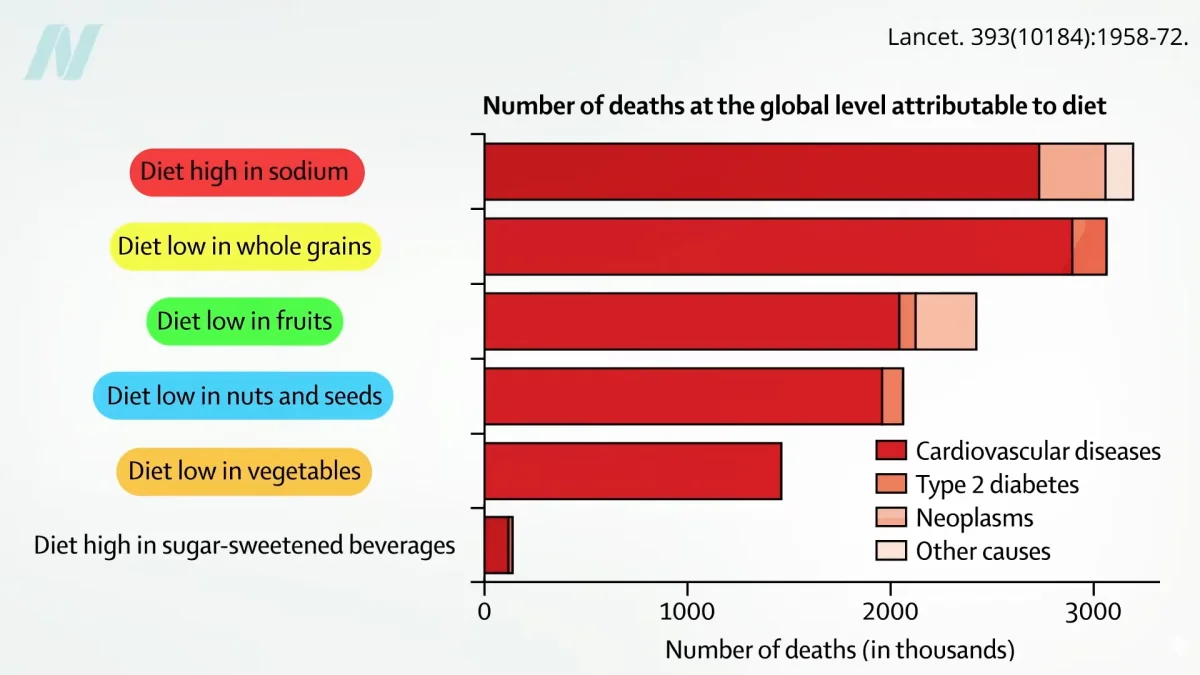
The article draws on research comparing dietary risks around the world. A large analysis identified several major risks tied to not eating enough whole grains, fruit, vegetables, nuts, and seeds. It also found that excess salt was a leading dietary risk. These are population-level estimates: they describe patterns associated with illness across groups, rather than predicting what will happen to any one person.
The scale of diet-related health loss is substantial in that analysis. A separate estimate put the healthy years lost to physical inactivity at more than 10 million worldwide, while the source reports that unhealthy diets account for nearly 20 times as many. Such comparisons help explain why researchers study diet, but they don’t establish that one nutrient alone accounts for every health difference between people.
Salt intake also tends to travel with other features of a person’s diet. Sodium is common in packaged and prepared foods, so a link between higher sodium intake and poorer health can partly reflect broader eating patterns. That makes it useful to distinguish associations from evidence that tests what happens when sodium intake changes.
Sodium and blood pressure
For blood pressure, the evidence includes intervention studies, which can test cause and effect more directly than observations alone. A review reports that more than 100 randomized controlled trials found blood pressure fell when participants reduced salt intake, with larger reductions generally producing larger drops. That supports sodium reduction as a way to lower blood pressure on average; it does not mean everyone will see the same change or that salt is the only factor affecting blood pressure.
Researchers are also studying other possible pathways. One proposed mechanism is that high salt intake may affect the gut microbiome, the community of microbes in the digestive system. A review of this topic discusses possible links between salt, gut microbes, and health. This remains a developing area of research, and it doesn’t replace the more direct evidence connecting sodium reduction with lower blood pressure.
Studies have also reported associations between sodium and inflammatory conditions. One study linked medium or high sodium intake with a higher rate of multiple sclerosis (MS) relapses than intake below about a teaspoon of salt daily. Other research has reported higher sodium levels in tissues from people with lupus and associations between sodium levels in the spinal cord and measures of MS disease and tissue integrity . These findings are not proof that sodium causes or worsens either condition. They also don’t establish that changing salt intake will alter an individual’s disease course.
Potassium is part of the picture
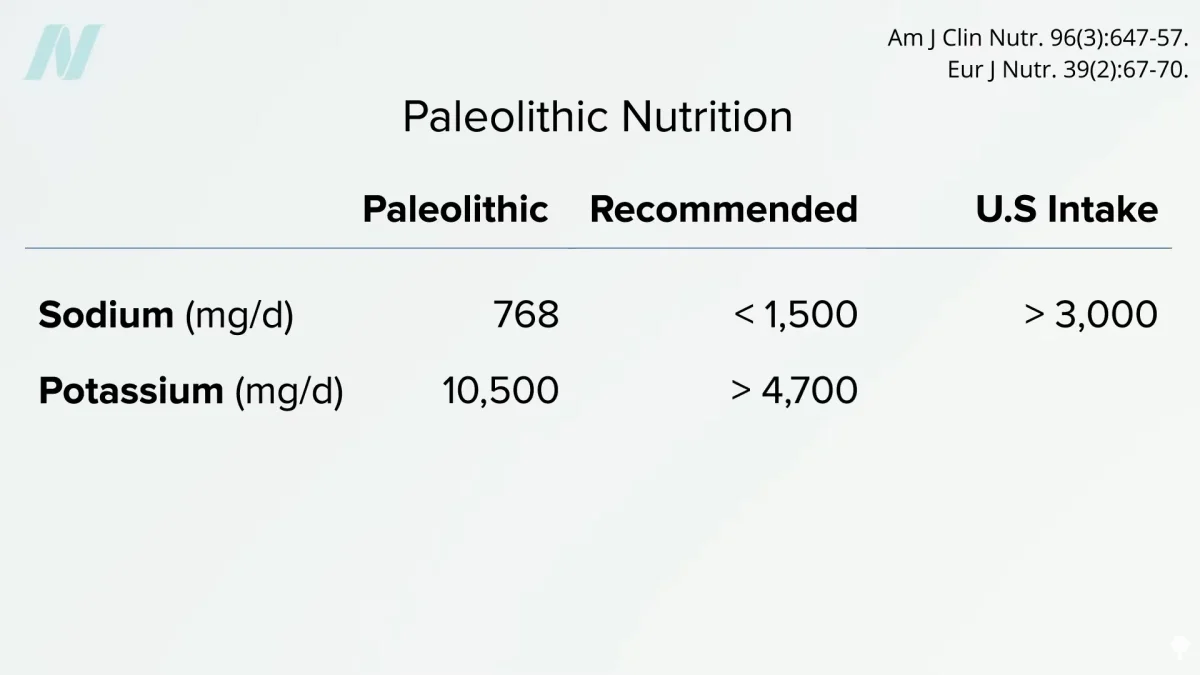
Potassium is a mineral that plays a role in blood pressure regulation. The cited estimate found that fewer than 2% of U.S. adults consumed the recommended minimum, meaning that more than 98% fell short in the data analyzed . The source also contrasts modern intake with estimates of much higher potassium consumption among ancestral populations . Those historical comparisons provide context, but they are estimates rather than direct measurements of everyone’s past diet.
The combined sodium and potassium figures are striking: the analysis cited by the article found that fewer than 0.015% of people met both targets . That percentage is equivalent to roughly one person in 6,000. It describes how many met two dietary benchmarks in the underlying data, not a diagnosis of deficiency or illness.
The article also cites an estimate that the body’s evolutionary history involved roughly 750 milligrams of sodium daily, and says current intake is more than four times that amount. It reports that sodium intake had increased over the decade examined and that 98.8% exceeded the 1,500-milligram limit in the older data . The source doesn’t provide a newer figure, so those percentages shouldn’t be assumed to describe current intake precisely.
What to take from the numbers
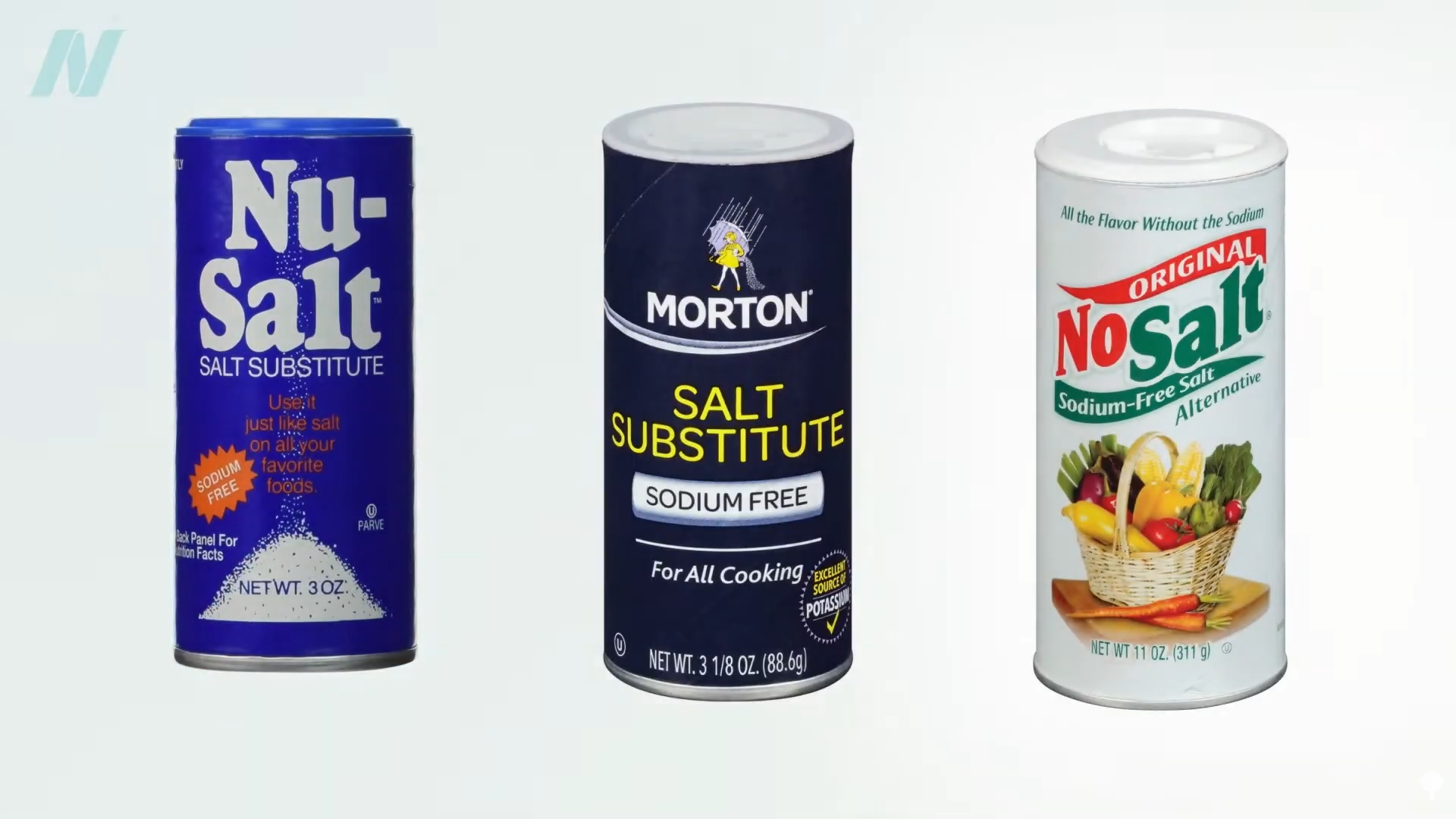
The broad pattern is more useful than treating the “1 in 6,000” figure as a personal score: many people may benefit from paying attention to both sodium and potassium in their overall eating pattern. The source points to potassium-based salt substitutes as one possible way to lower sodium while raising potassium. It raises questions about their safety and effectiveness but doesn’t answer them, so this piece alone can’t establish whether such products are appropriate for a particular person.
People with health conditions or medicines that affect potassium balance can ask a doctor or pharmacist whether a potassium-containing salt substitute is suitable for them. For others, the practical takeaway is to view sodium and potassium together and interpret the published percentages in light of when and how they were measured. The research makes the case for attention to dietary patterns; newer population data and evidence about salt substitutes would help clarify how best to apply these findings today.
Related reading: Are Potassium Chloride Salt Substitutes Worth Trying? and Are Potassium Chloride Salt Substitutes Safe and Effective?. The source also points readers to a video on sodium and potassium intake: Fewer Than 1 in 5,000 Meet Sodium and Potassium Recommended Intakes.