Trials suggest potassium chloride salt blends can lower blood pressure and may reduce strokes and deaths. Safety and who should avoid them need careful attention.
What the research says about swapping salts
Replacing some sodium chloride with potassium chloride may help lower blood pressure, and several trials suggest the effects could extend to strokes and deaths. The evidence is encouraging, but the benefits depend on the setting and the people studied. Potassium-based salt substitutes also raise safety questions that matter for people with certain health conditions or medicines.
High sodium intake is linked to higher blood pressure, a major risk factor for stroke, heart attack and kidney damage. Research has estimated that excess sodium contributes to millions of deaths each year (study; study). High blood pressure often has no obvious symptoms, which is why it can go unnoticed while increasing health risks (review).
Potassium may matter in its own right. Diets built around fruits, greens, roots and tubers tend to provide more potassium and less sodium than diets relying heavily on processed foods (review; review). The source reports that 98% of the U.S. population does not meet the recommended minimum potassium intake. Low potassium intake has been linked with high blood pressure and cardiovascular disease, while meta-analyses suggest that higher potassium intake may reduce stroke risk (review).
Some research suggests potassium could affect stroke risk through pathways beyond blood pressure, including blood clotting, artery stiffness and the production of free radicals (study). Observational research has associated higher sodium intake with a 20% greater risk of premature death and higher potassium intake with a 20% lower risk (study). Those associations alone cannot show that either mineral caused the difference; food choices often come as a package, with potassium-rich foods more common in diets that include more plants.
Why a salt substitute may help
Trials offer stronger evidence that changing sodium and potassium intake can affect blood pressure. Randomized studies have found that reducing sodium lowers blood pressure (review), while adding potassium can also lower it (review). Potassium chloride substitutes replace some or all sodium chloride in table salt. Because the source describes them as a naturally occurring mineral salt, they can seem like a straightforward way to reduce sodium while increasing potassium (review).
Whole plant foods remain a source of potassium along with other nutrients (review). But for salt used in cooking or at the table, a partial swap has been tested in randomized trials. A review of 10 studies comprising 11 trials found that using potassium chloride in place of some regular salt significantly lowered blood pressure among people with hypertension. The findings also raise the possibility that the change could help prevent high blood pressure, though that outcome needs to be assessed directly (review; study). Lower blood pressure is useful evidence, but it does not by itself establish whether a substitute prevents strokes or prolongs life (review).
Evidence on hypertension and cardiovascular outcomes
In one household trial, regular salt was replaced with a blend containing one-quarter potassium chloride. Most participants either did not notice a taste difference or preferred the blended salt, and the study found that the risk of developing hypertension was cut in half (study; review). That result applies to the trial’s participants and conditions; it should not be treated as a guarantee that an individual household will see the same change.
A separate study tested a 50/50 blend in five kitchens at a veterans’ retirement home. For roughly two and a half years, meals were prepared with either regular salt or the blended salt, without cooks or diners knowing which was used. The potassium group had about a 40% lower risk of dying from cardiovascular disease and lived nearly a year longer, according to the study. The reported life-expectancy difference at age 70 was described as equivalent to 14 years of naturally occurring difference (study). The small number of kitchens and the particular setting limit how broadly those results can be applied.
A much larger randomized trial in China included more than 20,000 people across 600 villages and followed participants for five years. One group received a salt substitute containing one-quarter potassium chloride; the other received regular salt. The researchers reported fewer strokes, fewer cardiovascular events overall and fewer deaths from all causes in the substitute group (trial). This large study adds evidence on outcomes beyond blood pressure, though its results come from a population and food environment that may differ from those of other countries.
What the findings do and don’t settle
The China trial is particularly relevant to settings where much sodium comes from salt added during cooking or at the table. The source notes that this accounts for up to 75% of sodium intake in China. In the United States, much of the sodium comes from packaged and processed foods, so a household salt swap may affect a smaller share of total intake. Food makers could also change the salt used in products, but the article does not establish why that shift has not happened more widely.
The trials make potassium chloride substitutes a promising option for reducing sodium in some settings. They do not show that salt substitutes are right for everyone, or that people should replace medical care or other dietary changes with them. Potassium can be harmful when the body cannot clear it properly, and some medicines or health conditions can raise potassium levels. That makes the balance of benefits and risks a practical question for a doctor or pharmacist, especially for anyone with kidney problems or taking medicines that affect potassium.
The source’s next installment addresses potential downsides, including concern about high potassium levels. Until those risks are considered alongside the trial results, the clearest general takeaway is that reducing sodium and getting potassium from foods such as fruits and vegetables are established dietary priorities, while potassium chloride salt substitutes deserve a closer look with a health professional when personal health or medicines could affect safety.
Further reading: This is the second part of a three-part series. The first installment discusses mineral intake recommendations (The Mineral Intake Recommendations Only 1 in 6,000 U.S. Adults Meet); the final installment covers safety and effectiveness (Are Potassium Chloride Salt Substitutes Safe and Effective?). For background on sodium trials, see The Evidence That Salt Raises Blood Pressure.
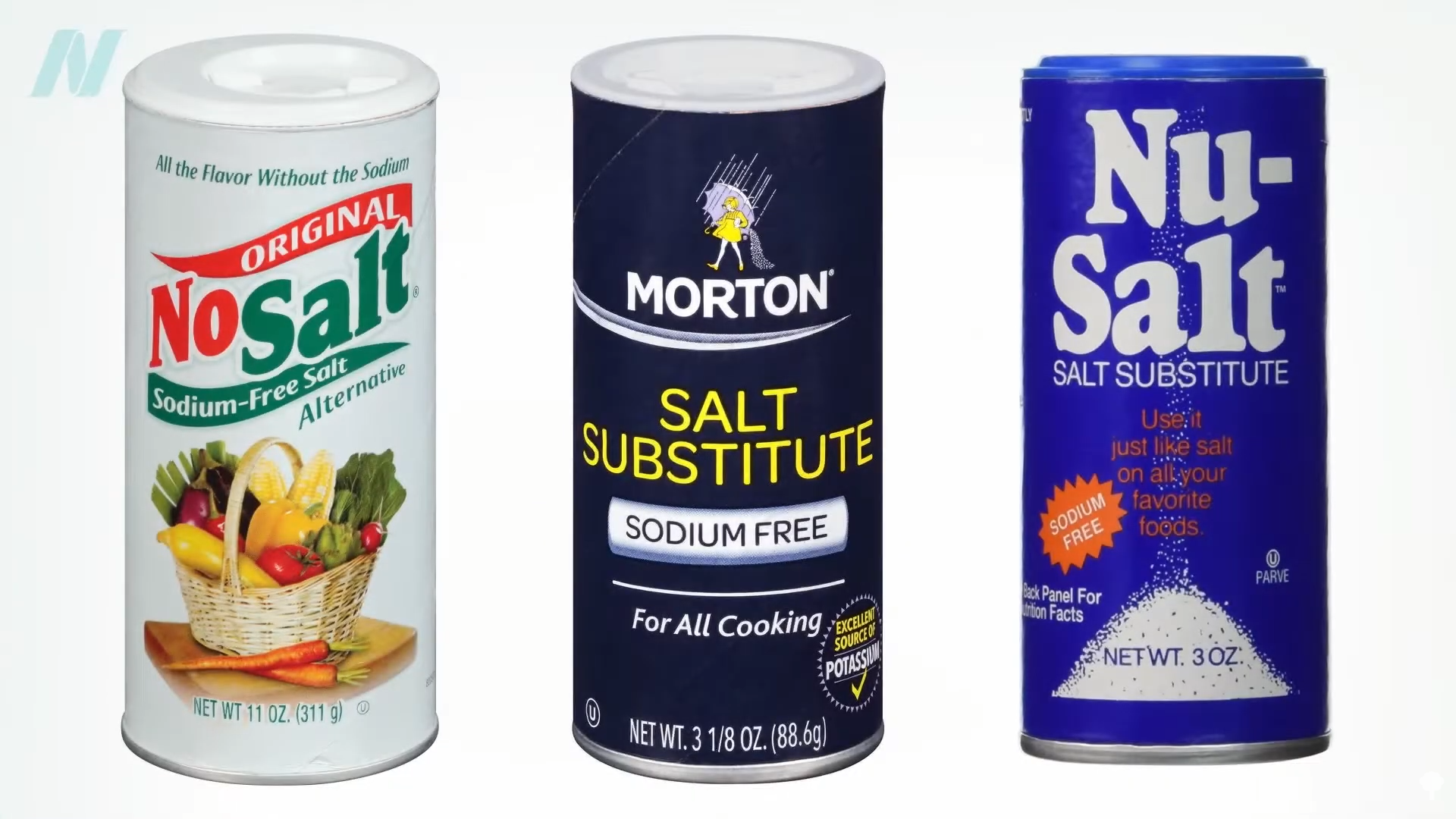
The accompanying video discusses the salt substitute trials: Are Potassium Chloride Salt Substitutes Effective?
===