Small studies suggest cranberry powder and whole pumpkin seeds may ease urinary symptoms, but they aren’t replacements for medical assessment or established care.
Small clinical studies suggest that cranberry powder and whole pumpkin seeds may ease some urinary symptoms linked with an enlarged prostate. The evidence is promising enough to discuss, but it doesn’t establish either food as a treatment that works for everyone or as a substitute for medical care. The studies also tested specific forms and amounts, so their findings shouldn’t be generalized to cranberry juice, sweetened dried cranberries, or concentrated supplements.
What the cranberry studies found
Benign prostatic hyperplasia (BPH), also called an enlarged prostate, becomes more common with age. It can contribute to lower urinary tract symptoms, including needing to urinate often or waking at night to urinate. Similar symptoms can have other causes, so a clinician can help assess what’s behind them.
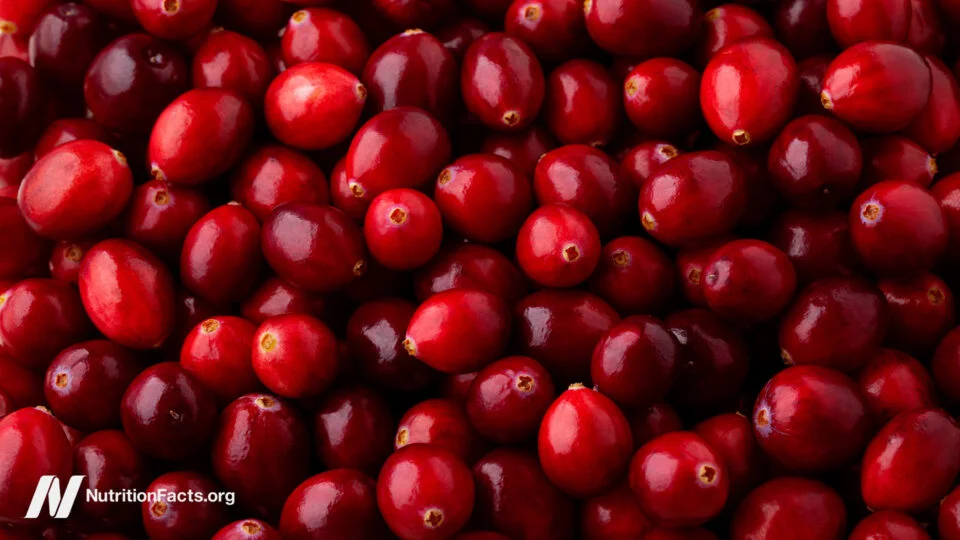
One study tested about 3 grams of powdered whole cranberries a day, roughly a teaspoon. Participants reported improvements in BPH symptoms, quality of life, and measures related to urination. A later study examined smaller amounts—about one-third and one-sixth of a teaspoon—and reported improvements as well. The source describes these findings, but doesn’t provide the trial sizes or enough design details to judge how large or reliable the effects were.
The later study used a cranberry powder supplement and was funded by the company that made it. That matters when weighing the results, though it doesn’t by itself show that the findings are wrong. The tested product was described as straight cranberry powder; the results don’t show that all cranberry products have the same effect. In particular, a separate study of purple grape juice found no benefit for these symptoms.
Research on diet and BPH also includes population studies, which can identify patterns but can’t establish that a particular food caused a health outcome. Those studies have suggested possible links between dietary patterns and symptoms, but they don’t settle what an individual should eat to manage BPH.
Whole pumpkin seeds have a useful comparison
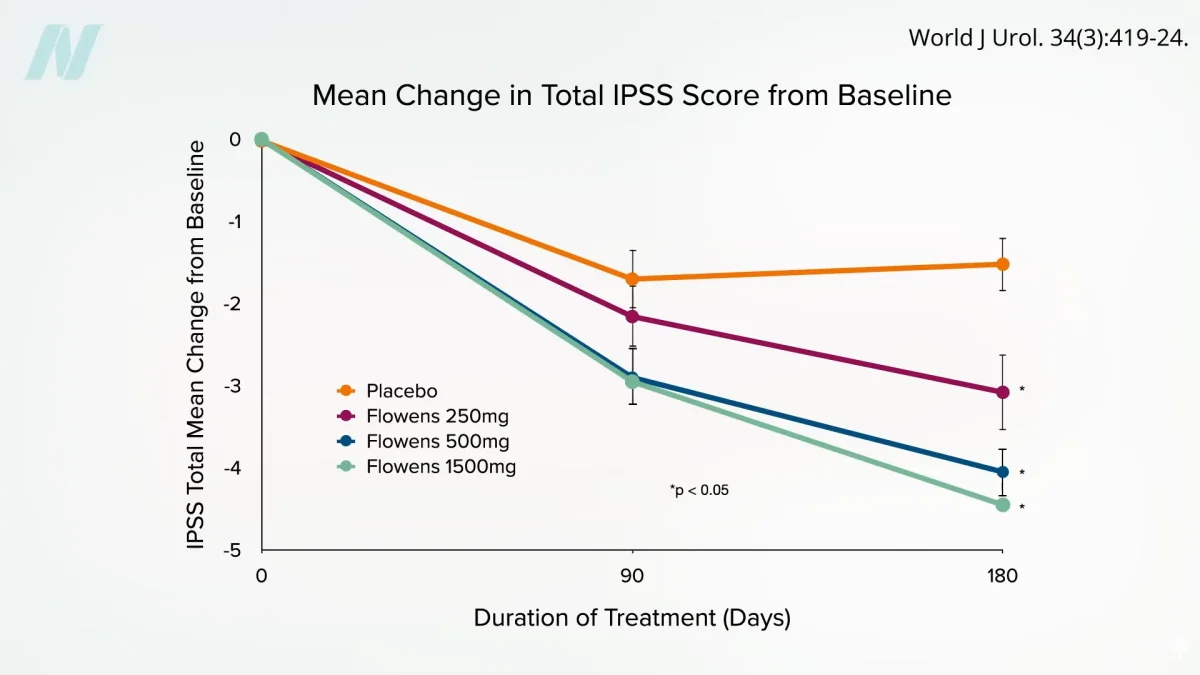
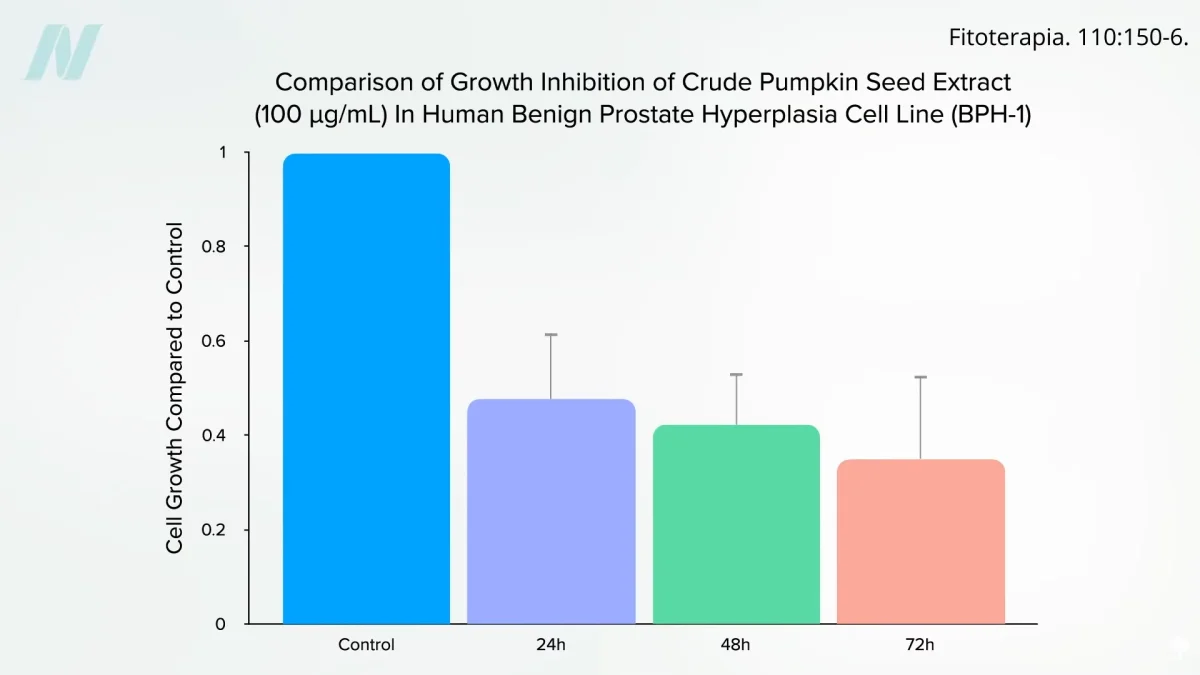
Pumpkin seeds have a long history of use for urinary and prostate concerns, and laboratory findings have prompted further study. But results from cells in a dish don’t establish that eating seeds will have the same effect in people. The more relevant evidence comes from a study involving more than 1,000 men, who were assigned to pumpkin seed extract, a placebo, or about 7.5 grams of whole pumpkin seeds a day—approximately one tablespoon.
In that study, the extract didn’t improve symptoms more than the placebo. The whole seeds did show a benefit, according to the source. Because the study was funded by the company that made the extract, the comparison is particularly informative: the company’s supplement did not outperform the placebo, while the food itself showed a different result. Still, a favorable result in one trial doesn’t establish how much benefit people can expect in everyday use.
Other reports described pumpkin seed oil as performing similarly to the prescription medicines prazosin and terazosin. Those comparisons lacked a placebo group, which makes it difficult to tell whether changes came from the oil, the passage of time, or other factors. A later study also reported an effect from an oil-free pumpkin seed extract, but that finding doesn’t erase the limitations of the earlier comparisons or show that extracts and whole seeds are interchangeable.
How to interpret the evidence
The cranberry and pumpkin seed findings are more informative than traditional use or laboratory experiments alone because they include studies in people. Yet the available details here leave important questions: how large the effects were, how long they lasted, whether they apply to people with different levels of symptoms, and how they compare with established treatments. More research would help answer those questions.
For context, BPH treatments can have side effects, and some people find it difficult to continue them. That is a reason to discuss concerns with a clinician, not to stop a prescribed medicine without advice. The source also cites research on saw palmetto, reporting that randomized trials have not found it useful. Results for one supplement shouldn’t be taken as evidence for or against every food or product marketed for prostate symptoms.
Persistent, worsening, or disruptive urinary symptoms are worth discussing with a health professional. A clinician can check whether BPH is the likely cause, consider other explanations, and review treatment choices. The pumpkin seed study’s authors characterized the seeds as a possible option for mild-to-moderate symptoms; that does not mean they are appropriate for every person or that assessment can be skipped. The source also notes that a European herbal assessment tied their use to first ruling out more serious conditions with a doctor.
If someone is considering cranberry powder, pumpkin seeds, or a supplement, the practical point is to bring that up with a doctor or pharmacist, especially when taking other treatments or managing ongoing health conditions. The studies don’t establish a general dose for treatment, and supplement products can differ from what researchers tested. For now, whole pumpkin seeds and powdered cranberries look like subjects for further study, with the strongest takeaway being that promising early findings deserve careful follow-up.
Related background: Flaxseeds vs. Prostate Cancer, Cranberries vs. Cancer, and Can Cranberry Juice Treat Bladder Infections?.
Sources discussed include research on BPH prevalence and treatment, symptoms and treatment concerns, diet patterns, food groups and BPH, and saw palmetto trials. Cranberry research includes studies of cranberry powder, different cranberry amounts, and purple grape juice. Pumpkin seed research includes laboratory findings, animal research, pumpkin seed oil, comparisons with prazosin and terazosin, a trial of whole seeds and extract, and research on oil-free extract. The assessment cited in the source is available here.
Natural Dietary Treatments for Enlarged Prostate BPH