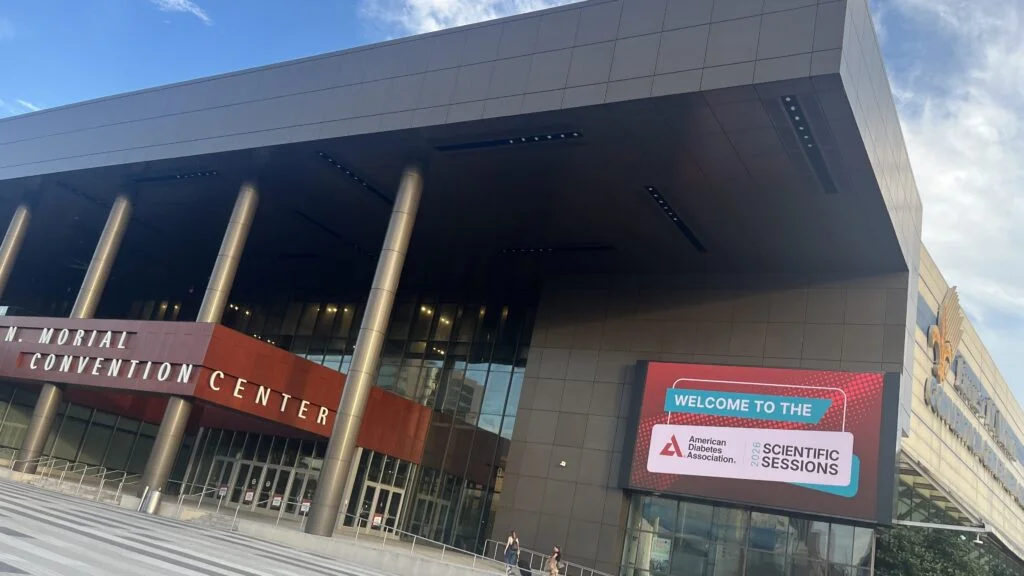
Dana Senaha recounts her husband Bobby’s search for treatment and trial participation, showing the personal and practical realities behind added time.
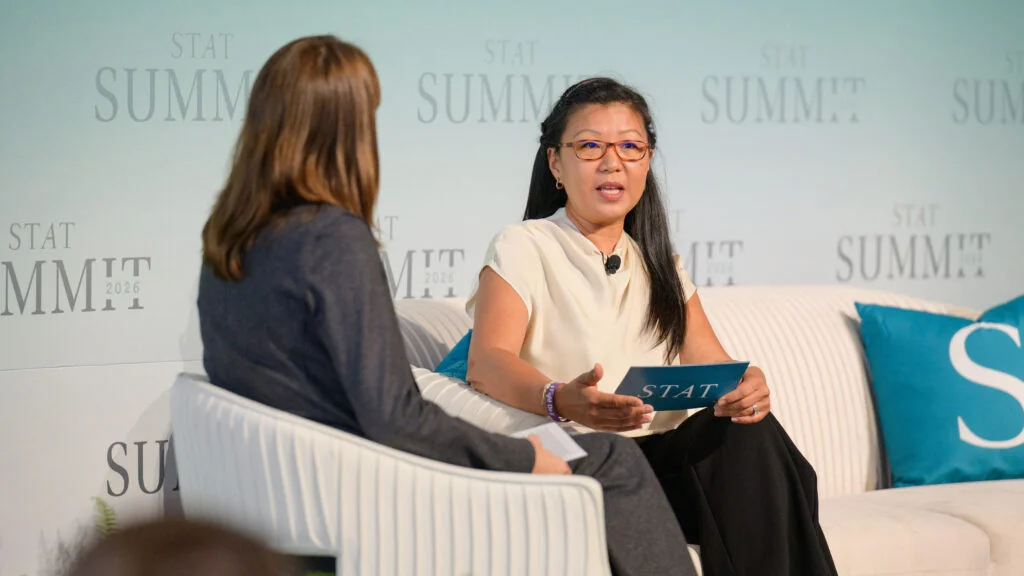
For families facing pancreatic cancer, a possible extension of life is more than a result on a chart. It can mean time together, difficult travel, and decisions made as treatment options change. Dana Senaha shared that perspective at a recent STAT Summit in Boston, describing her husband Bobby’s experience seeking care and taking part in a clinical trial for daraxonrasib.
The account offers a view of treatment from inside one family’s experience. It doesn’t establish how much time the medicine gave Bobby, what side effects he experienced, or how the treatment affected his day-to-day life. Those details aren’t included in the available report. The story does, however, make clear that pursuing treatment involved substantial travel: after Bobby’s cancer stopped responding to standard chemotherapy, the family went to California, then Texas, and eventually returned home to Hawaii. Bobby died on Aug. 25, 2024.
What one family’s experience can show
Clinical results can describe how a treatment performed across a group of participants, but they can’t fully convey what treatment means in a particular household. A family may weigh potential time against the demands of getting care, the uncertainty of whether a medicine will help, and the practical effects of being away from home. Senaha’s account brings those considerations into view without answering every question about her husband’s treatment.
Her family’s journey also illustrates that access can involve more than deciding whether to pursue a treatment. A clinical trial may take place far from a patient’s home. Travel can affect a patient and the people supporting them, and a move between treatment centers can add logistical and emotional strain. The report doesn’t describe the Senahas’ specific arrangements or costs, so those shouldn’t be assumed. But their route across several states before returning to Hawaii underscores how geography can shape a family’s experience of care.
What the report says about daraxonrasib
The source describes daraxonrasib as a life-extending medicine and calls its arrival a major advance against pancreatic cancer. It also points readers to a separate report about the medicine. The short account of the Senaha family does not provide clinical-trial results, such as the number of participants, the amount of additional time observed, how researchers measured benefit, or which patients might be eligible. It therefore can’t, on its own, show how well the medicine works or whether its effects are similar for other people.
That distinction matters. A personal story can help explain why a treatment’s potential benefit matters to patients and loved ones, but a single experience cannot predict what another person will experience. Trial findings are needed to understand benefits and risks across participants; clinical teams can help interpret how those findings relate to an individual’s health and circumstances. The report also doesn’t describe Bobby’s side effects or the treatment decisions made along the way, so it can’t serve as a guide to what patients should expect.
Questions that remain
For readers trying to understand what the story means, the most useful next details would be the underlying trial evidence and how it applies to different patients. The source doesn’t say what stage of testing the study had reached, how it compared daraxonrasib with other care, or what uncertainties researchers still need to resolve. Those details are essential for judging the strength of the evidence and the likely balance of benefit and harm.
People considering a trial can ask their oncologist what is known about the treatment, what remains uncertain, and whether a study is appropriate for their situation. A care team can also discuss where the trial is based and what participation may involve. A doctor or pharmacist can help answer questions about how a new medicine fits with a person’s existing care and other medicines.
Senaha’s account puts a human frame around the search for treatment: the promise of more time is inseparable from the effort required to pursue it. The family’s experience is a reminder to read claims about life extension alongside the trial data, and to consider both the possible medical benefit and the practical realities for patients and caregivers.
Read the report on daraxonrasib. Learn about the STAT Summit in Boston. Read the rest of Dana Senaha’s story.
===