Janet Freeman-Daily’s long response to crizotinib shows the promise of matching treatment to a tumor marker—and the gaps in testing, access and quality-of-life research.
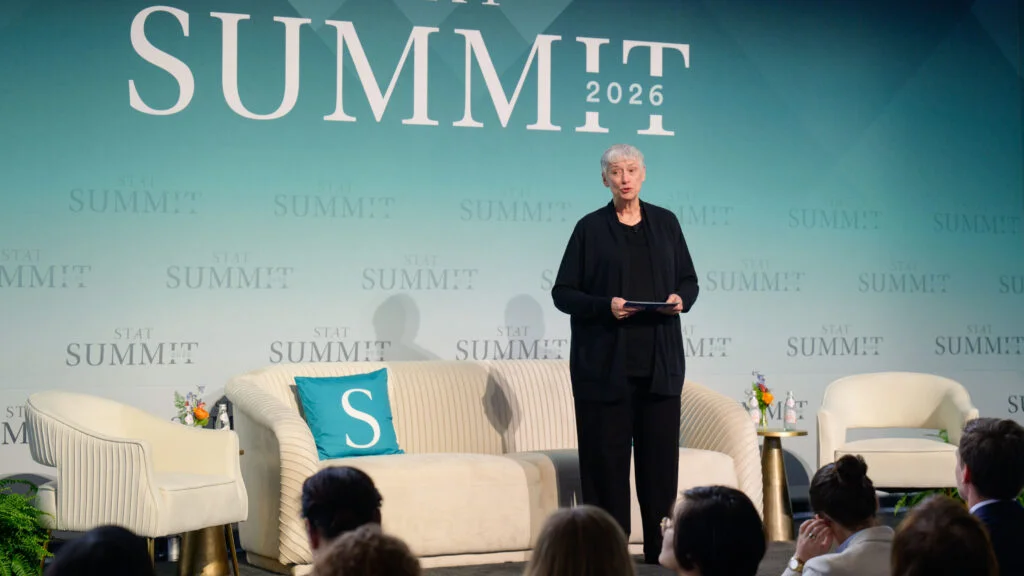
Janet Freeman-Daily has had no evidence of lung cancer on scans since starting crizotinib in 2012. Her experience shows what a targeted drug can do when a tumor has the marker it acts on, while also underscoring how unevenly patients may reach testing and treatment—and how long-term side effects can affect daily life.
Freeman-Daily, a former aerospace engineer, was diagnosed with advanced lung cancer in 2011, at age 55. She initially received chemotherapy and radiation. When the cancer later appeared in her other lung, a fellow patient suggested asking about an ROS1 rearrangement, a change estimated in the account to occur in 1% to 2% of non-small-cell lung cancers.
Her local oncologist was unfamiliar with ROS1 testing. An earlier round of molecular tests had not identified a target, and her doctor expected chemotherapy to continue. A chance connection to a research team changed what happened next: the team had developed an ROS1 test and still had some of her tumor tissue. Testing found a strong ROS1 result, and she was offered the final available place in a clinical trial.
A long response, with treatment ongoing
Freeman-Daily began taking crizotinib daily on Nov. 6, 2012. She says her scans have shown no evidence of disease since then. She also stresses that she is not cured and continues taking the drug. Her account describes an unusually long response for her, but one person’s experience cannot predict how another person with ROS1-positive cancer will respond.
Crizotinib is a targeted therapy: it is intended to act on a specific molecular feature of a tumor. Identifying that feature can help connect a patient with a treatment designed for it. Freeman-Daily’s story illustrates why tumor testing can matter, but it does not establish how often testing finds a suitable target or how long treatment will work across a broader group. The source provides no trial size or comparative results, so it cannot answer those questions.
Access and response are not guaranteed. Freeman-Daily says some people are not offered biomarker testing, may not be treated by clinicians familiar with their cancer subtype, or may not learn about or be able to reach clinical trials. Even when a targeted drug is available, some patients do not respond or do not have a lasting response. Her survival is a meaningful account of what was possible for her, not evidence that the same outcome is likely for everyone.
Living with treatment brings its own demands
Long-term control has also involved managing side effects. Freeman-Daily reports that she has had two dose reductions of her tyrosine kinase inhibitor, or TKI, and takes other prescriptions to address treatment effects. She also says she gained 70 pounds while taking crizotinib and is using a GLP-1 medication to try to lose that weight.
Those details put quality of life alongside survival. A treatment that controls cancer for years can still require ongoing adjustments and support. Freeman-Daily argues that research often tracks survival more closely than the day-to-day experience of people living with cancer. She wants patient-reported outcomes and patient perspectives included earlier in research, and for treatment developers to take toxicities seriously.
For people with lung cancer, her experience offers a practical point to discuss with their care team: whether tumor testing is appropriate, what the results mean, and whether they could affect treatment options. A doctor or pharmacist can also help explain expected side effects and ways to manage them. This account is not a reason to change a treatment; any questions about a current medicine or its effects are best discussed with the clinician who knows the patient’s situation.
Patient groups can connect research and lived experience
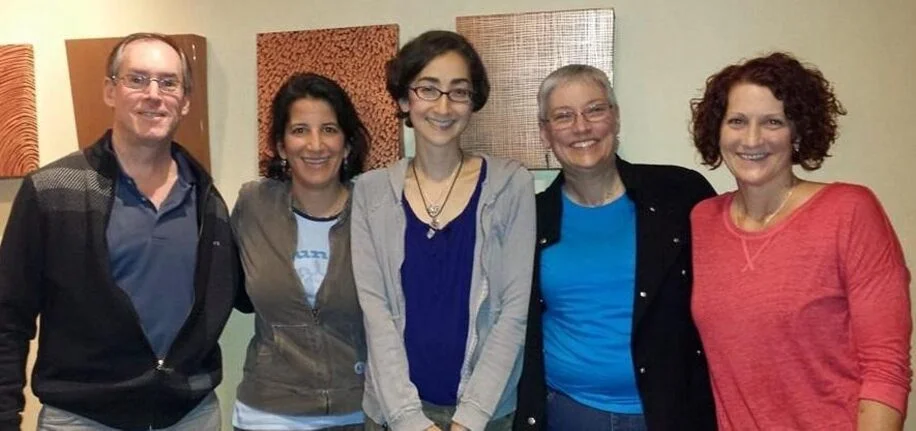
Freeman-Daily turned her experience into patient advocacy. In 2015, she and four other people with ROS1-positive cancer began building a community for patients and caregivers. The group that grew from that effort, The ROS1ders, shares education and supports research intended to improve outcomes.
One effort, started in 2017 with nonprofit and research collaborators, helped create 12 patient-derived cell lines. These laboratory materials have been used in research on acquired resistance, cell-surface features and drug development. Such work can give researchers tools to study why a treatment may stop working and how new approaches might be developed. It is an early step in research, not proof that a new treatment will benefit patients.
Freeman-Daily also describes the personal cost of the work. Two of the group’s founders and many members have died, and watching friends face the disease makes long-term advocacy difficult. Her story holds both realities at once: a targeted drug has kept her cancer controlled for many years, while patients still face unequal access, treatment burdens and outcomes that vary. Better testing, research that reflects patients’ priorities, and attention to life during treatment remain central needs.