Isometric training can build strength and muscle, but results depend on the exercise and how it’s programmed alongside dynamic training.
Isometric exercise has a reputation problem. Many people associate it with planks and wall sits, then conclude it must be a weak tool for building strength or muscle. That conclusion is too broad: the effect depends on how the exercise is done, and the research treats several distinct muscle actions as well as several kinds of isometric work. This article sets out those distinctions, reviews evidence on strength, muscle growth, rehabilitation and pain management, and considers how to program isometrics alongside dynamic training.
How muscles act during exercise
Exercise science often groups muscle actions into isotonic, isometric and isokinetic categories. “Muscle action” is a useful term here: “contraction” can suggest shortening, even though muscles don’t shorten in every type of action.
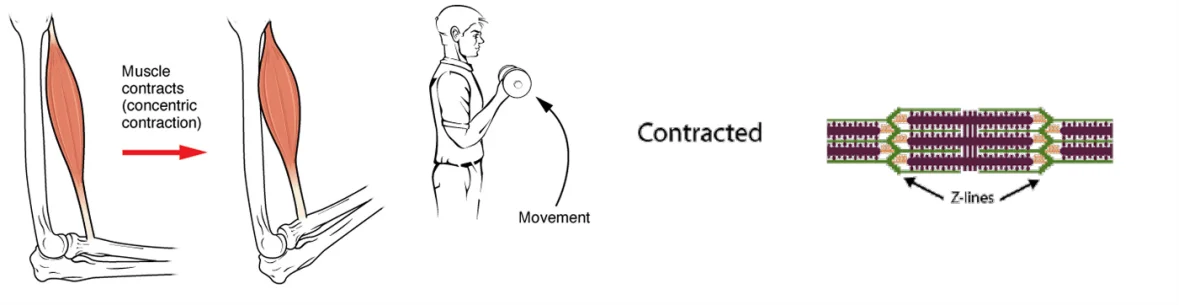
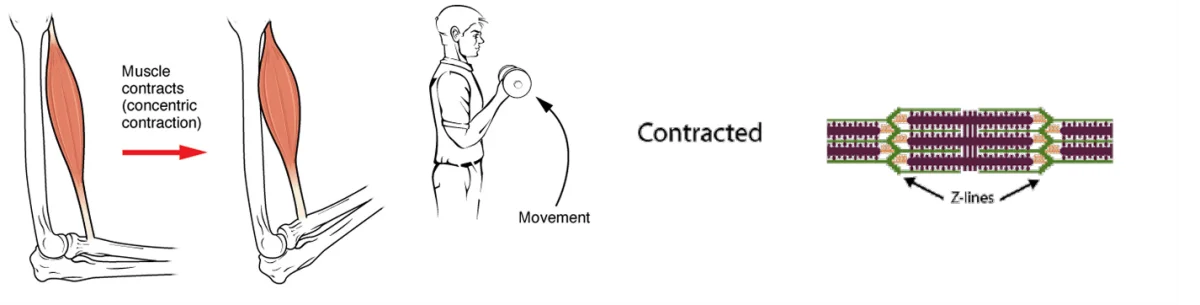
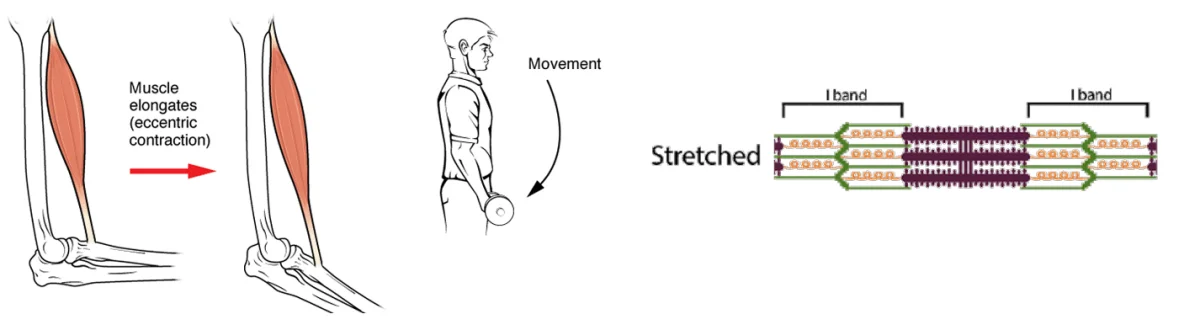
In isotonic actions, a muscle changes length while maintaining tension. These actions occur during dynamic movement and have two phases. A concentric action shortens the muscle as it produces force: lifting a dumbbell during a curl is one example. An eccentric action lengthens the muscle as an external force exceeds the force its fibers produce; lowering the dumbbell is the corresponding example.
In ordinary lifting, those phases flow together as you move a joint through its range of motion.
Isometric actions are often described as actions with no change in muscle length. That’s an oversimplification: muscle fibers and tendons can shift length relative to each other—for example, fascicles may shorten as a tendon lengthens. A more useful description is that the muscle-tendon unit does not change length meaningfully. Research on muscle mechanics discusses this distinction.
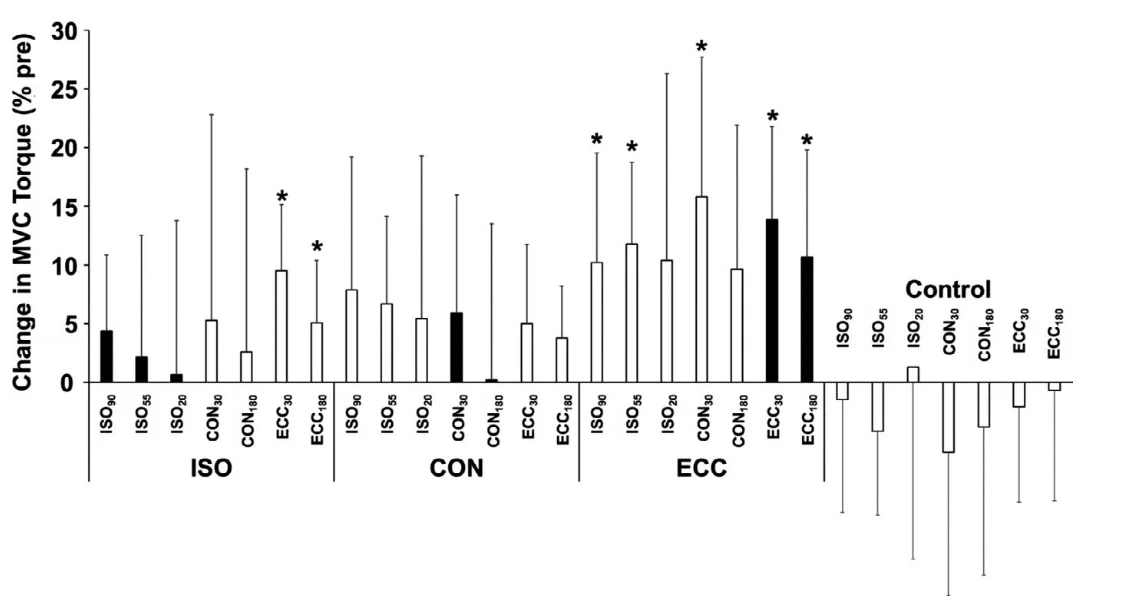
Muscle actions may produce different structural, neural and performance adaptations. For maximal force, the usual ordering is eccentric above isometric, and isometric above concentric (source). Eccentric actions may also require less energy per unit of force: they use fewer cross-bridges, and titin may contribute like an internal spring that stores and releases elastic energy (one, two). Eccentric actions also tend to involve lower voluntary activation than concentric or isometric actions, possibly because spinal or brain-level mechanisms limit neural drive (research on neural drive).
Claims circulating on social media that eccentric exercise does little for muscle growth don’t fit the available evidence. Meta-analyses report hypertrophy from both eccentric and concentric training (one, two). Eccentric work can build muscle. MASS Research Review subscribers can read a fuller discussion.
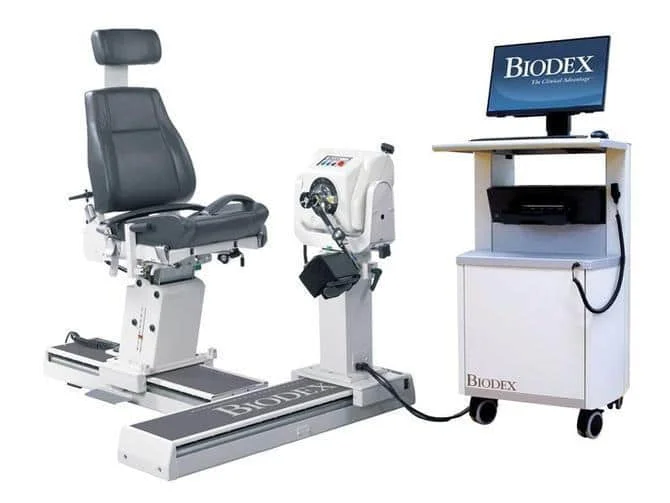
Isokinetic actions are different again: the joint moves at a constant angular velocity while resistance adjusts to match the person’s effort. An isokinetic dynamometer can be set, for example, to 60˚/s or 180˚/s. These devices are used in research and in prehabilitation and rehabilitation to assess strength under controlled conditions, including by limiting the variation in movement speed that occurs during conventional lifting.
From strongman stories to early research
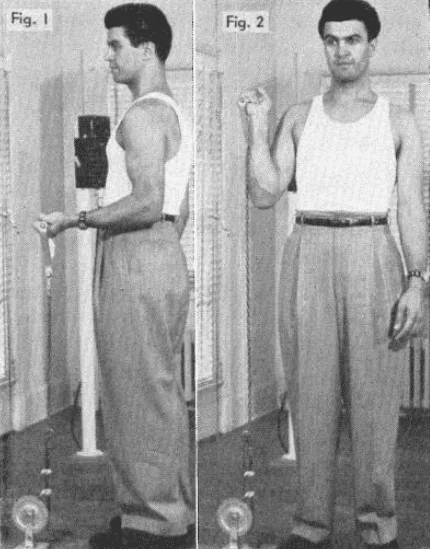
Stories about static strength training predate modern exercise science. One early figure was Russian-born strongman Alexander Zass, later known as The Iron Samson. A book about him, The Mystery of The Iron Samson, recounts how, as a child, he repeatedly tried to move a heavy wooden tub with his small arms. The tub stayed put, but the account says he later found tasks such as carrying a saddle and sacks of grain easier:
“Pull as he may, the tub stood firmly rooted in one spot. The boy however was quite stubborn. Again and again, he tried to move the dreaded wooden edifice. Day after day there was a tug-o-war between the child and this big heavy tub in the basement. Even though the tub still sat motionless in the basement, Shura began noticing some very strange things happening during his workday. The heavy saddle that he could barely carry through the stables previously (in order to saddle Forsun) suddenly felt easier to carry. It was as if the sacks of grain got lighter too.”
The story captures an idea that ran against the period’s emphasis on visible movement: perhaps straining against an object that cannot move—trying to bend an iron bar or break a chain, for instance—could build strength. Zass became a circus wrestler and strongman, served in World War I, was captured and escaped multiple times, and eventually settled in the UK. Accounts say he trained in captivity with squats, stretches and repeated maximal efforts against his restraints, holding each effort for 15–20 seconds. They credit this training with helping him break chains and bend bars during his escapes.
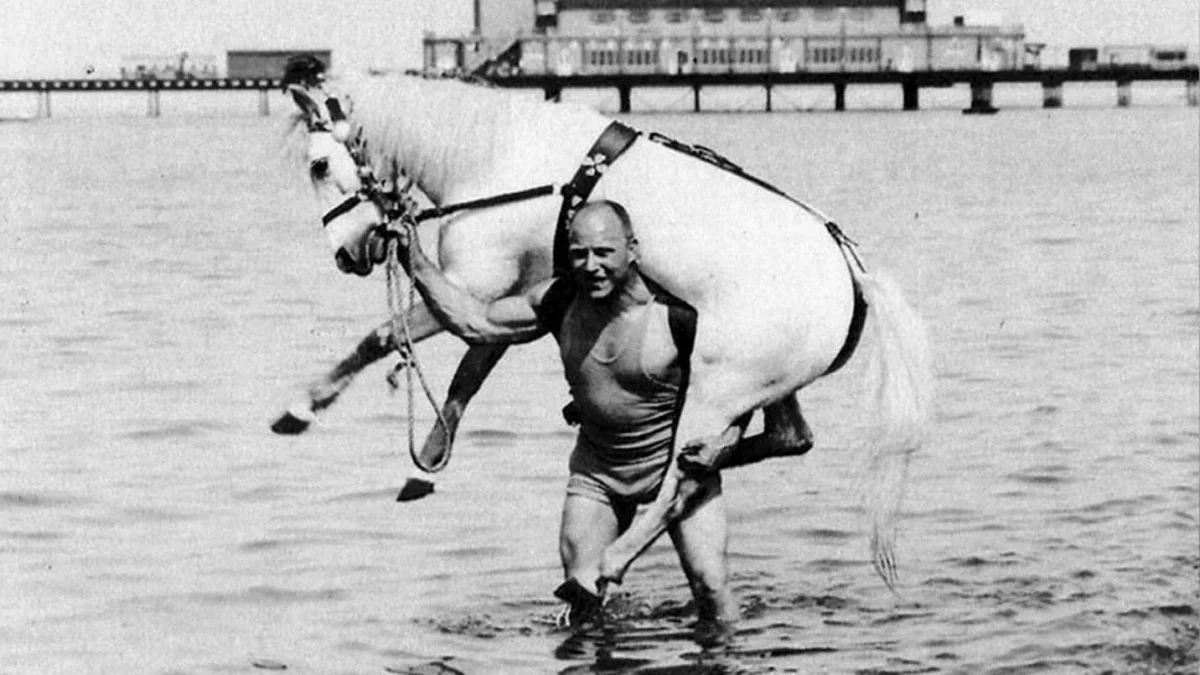
His stage feats reportedly included suspending a piano from his teeth and carrying a grand piano, pianist and dancer on his shoulders. A photograph also reportedly shows him carrying his wounded horse during the war.
These are historical accounts, not controlled evidence. Still, the book says Zass combined static efforts with dynamic exercise using weighted sacks and other loads, aiming to strengthen both muscles and tendons. That mixed approach is a more useful takeaway than the spectacle: static work was part of his training, not a substitute for every other kind of exercise.
The first known study of isometric training appears to be a 1953 paper by Hettinger and Müller (study). Its details are hard to assess because the paper is in German. The researchers studied nine untrained men, who performed daily six-second isometric efforts at about 67% of maximal voluntary contraction (MVC) across several muscle groups, including the arms, shoulders, hips, knees, trunk and ankles. Loads were adjusted each week to keep the relative effort steady.
Strength rose by an average of about 5% per week. The researchers also measured flexed upper-arm circumference, adjusted the measurement for skin and subcutaneous fat, and used it to estimate biceps cross-sectional area. They reported that strength and estimated muscle size increased in proportion, but gave few details about the size of those changes. The study helped prompt later research, though its limited reporting leaves plenty unanswered.
Two ways to do an isometric
Isometric training includes two distinct actions: pushing against something immovable, often called overcoming, and holding a joint position against an external load, often called yielding (one, two). In a push, you try to shorten the muscle but the resistance prevents movement. In a hold, you produce enough force to stop the load from lengthening the muscle and moving the joint.
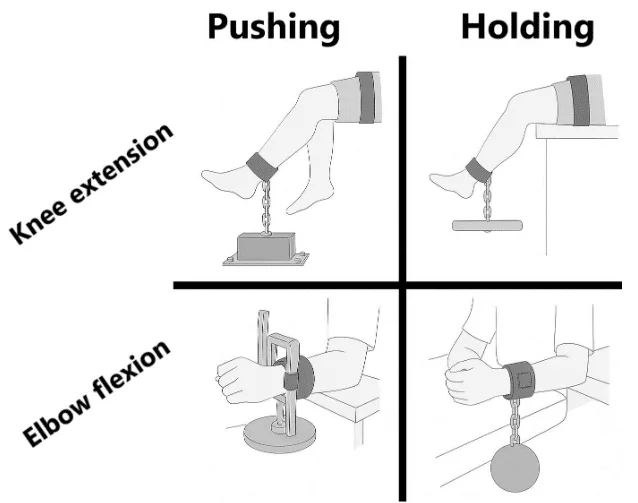
That difference affects how long people can sustain the effort. In a study of elbow flexors at 15% MVC, Hunter and colleagues matched the net muscle torque between pushing and holding conditions. Maximum voluntary force was similar, but participants sustained the push for nearly twice as long: 1,402 ± 728 seconds, compared with 702 ± 582 seconds for the hold (study).
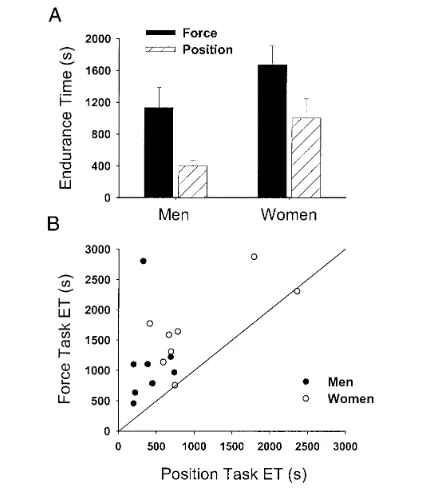
Both tasks showed a progressive rise in average elbow-flexor EMG, at a similar rate when compared over the same amount of time. But participants could keep pushing longer, and their normalized average EMG in the final 60 seconds was higher: 22.4 ± 1.2%, versus 14.9 ± 1.0% during the hold. The holding task showed larger fluctuations in vertical and horizontal force. It also produced faster increases in mean arterial pressure, heart rate, perceived effort, anterior deltoid EMG and EMG burst rate.
The researchers suggested that the earlier failure during holding may reflect differences in descending neural drive and sensory feedback to motor neurons, despite equal net torque. A recent meta-analysis by Oranchuk and colleagues also found that pushing generally lasted longer than holding at the same relative intensity.
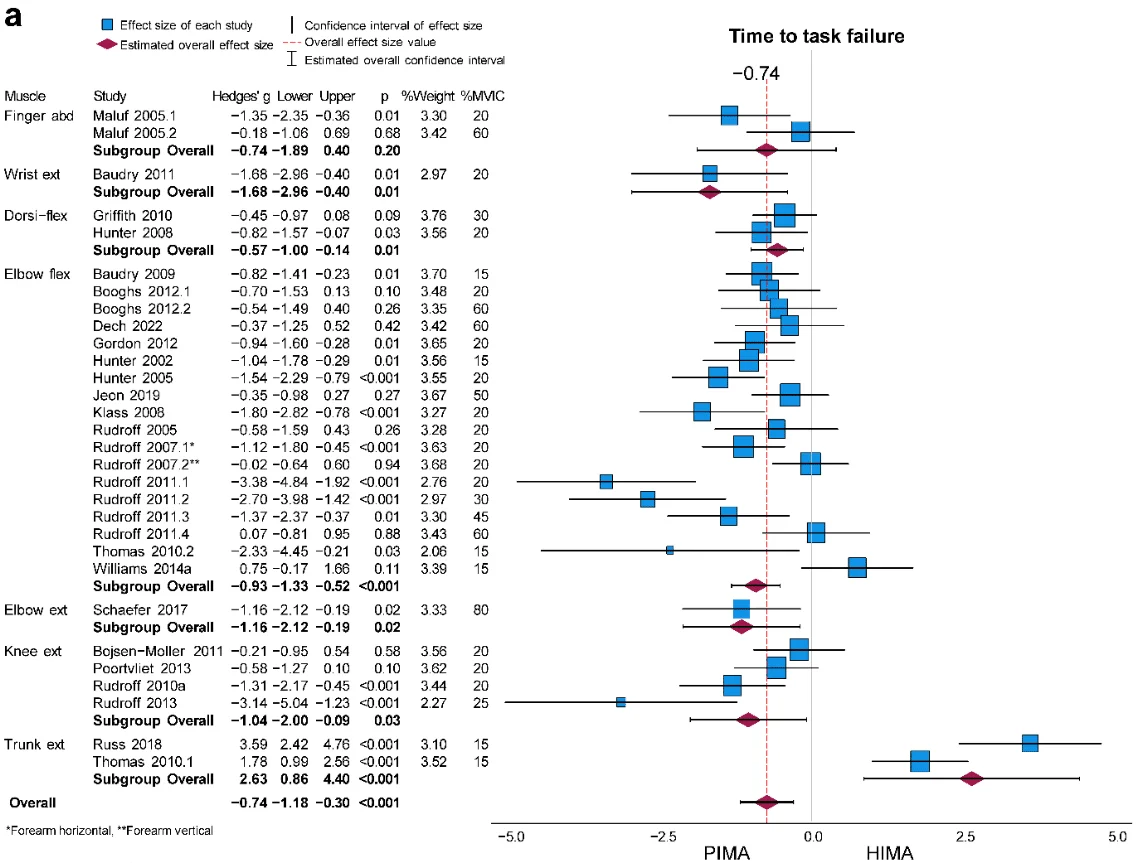
At intensities of 30% MVC or less, the meta-analysis found a moderate to large difference, with pushing lasting an average of 22.4% longer. At intensities of 50% MVC or more, it found no statistically significant difference. Holding lasted longer for axial muscle groups in one sub-analysis, but that result rests on just two studies.
The review also found greater force fluctuations, perceived effort, blood pressure, heart rate, EMG amplitudes and burst rates during holding. One possible explanation is that holding demands more central processing, including motor-unit recruitment and rate coding (one, two, three, four, five, six). A hold may also require more active responses to small disturbances in position, while pushing against an immovable object can rely more on preplanned voluntary effort. Those are proposed explanations for why the two methods may create different fatigue; the evidence describes a difference, but doesn’t fully settle its cause.
The comparison between pushing and holding isometrics may be less straightforward than it first appears. In almost all the studies, researchers estimated holding-isometric MVC from pushing-isometric MVC, putting the holding value at about 77% of the pushing value. That lower relative intensity could explain some of the difference in how long participants could sustain each type of contraction.
Most isometric research and practical programming has centered on pushing. But holding may deserve a place when the task involves resisting movement or controlling a position. Many sports injuries, including anterior cruciate ligament and hamstring tears or strains, happen without contact (one, two). They often occur while a muscle is lengthening under load, or when it must hold or slow the body down. That gives practitioners a reason to consider holding-isometric assessments and training when looking for strength deficits or imbalances that might matter to performance. But using those assessments to predict who will get injured remains a hypothesis.
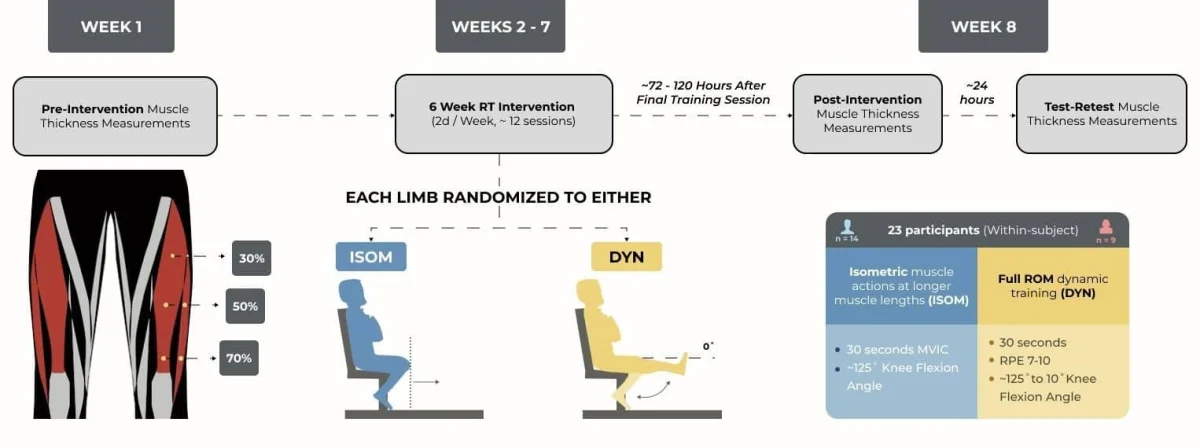
There is little direct research comparing the two approaches. At the time this article was written, the only study I’m aware of on pushing versus holding isometrics for knee-extensor strength and hypertrophy was by Oranchuk and colleagues; it had not yet been published or posted as a preprint. The results were presented at a conference. Ten recreationally trained participants completed six weeks of training, using one limb for pushing and the other for holding 20-second contractions at 70% MVC.
The researchers measured concentric, isometric, and eccentric torque, along with the thickness of all four quadriceps heads, vastus lateralis pennation angle and fascicle length, and patellar-tendon thickness. Every outcome improved within both conditions, but there were no statistically significant differences between them. Some strength and muscle-thickness measures, including rectus femoris thickness, appeared to favor holding slightly. That signal is preliminary: without more information about the study and its methods, there’s little basis for interpreting it further.
The wider evidence needs similar care. Most studies in a meta-analysis by Oranchuk and colleagues used loads below those usually considered effective for the strength and hypertrophy goals many readers have in mind.
Which type to use may depend on the training phase and the job you need the exercise to do. Pushing may suit strength development because it allows greater maximal force production. Holding may be more relevant for local muscular endurance, activities that demand stability in a fixed position—such as the iron cross in gymnastics—or the earliest stages of rehabilitation, when isometrics are being introduced.
What we know about eccentric quasi-isometrics
Another approach is drawing interest alongside pushing and holding: eccentric quasi-isometrics, or EQIs, a hybrid form of isometric training (recent discussion). An EQI begins as a hold. The person tries to resist an eccentric action and prevent the muscle from lengthening. As fatigue builds at the joint angle—often at a shorter muscle length—the position becomes harder to maintain. Once the person reaches “holding failure,” a slow eccentric movement begins, which they continue to resist.
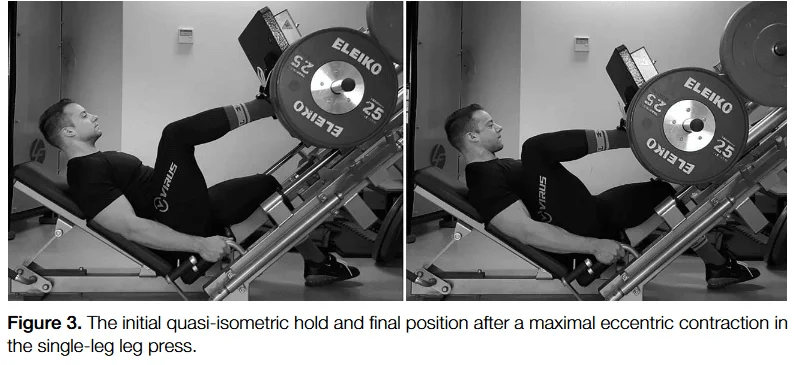
The term EQI is apparently credited to Verkhoshansky and Siff. They have been described as “holding a position until isometric failure and maximally resisting the subsequent eccentric phase.” The proposed advantage is that the added eccentric phase places the muscle under a loaded stretch, which could increase mechanical tension and, in turn, promote hypertrophy. EQIs have also been proposed as an alternative to traditional resistance training for building muscle.
The case for EQIs rests largely on possible mechanisms. Researchers have suggested they might increase motor-unit recruitment, mechanical tension, time under tension, and co-activation, while causing less fatigue and muscle damage. Because the movement is slow and submaximal, any strength gains might instead come through changes in muscle architecture or morphology, such as fascicle length or shifts in the torque–angle relationship. EQIs have also been proposed as a way to build muscular endurance: continuous tension during the hold may temporarily reduce oxygenation and activate different anabolic signaling factors. These are hypotheses, though. The evidence base is still small.
Only a handful of studies have examined EQIs and outcomes such as neuromuscular fatigue, force, muscle damage, and range of motion (one, two, three, four, five, six), and most have looked at a single exercise session rather than longer-term training.
In one acute study, Oranchuk and colleagues matched total angular impulse and found that EQIs produced less soreness and smaller drops in peak torque and rate of torque development than eccentric-only training. Quadriceps swelling and echo intensity changed similarly in the two conditions. Henderson and colleagues, meanwhile, found that EQIs produced more time under tension and slower fatigue across sets than conventional isotonic elbow-flexor training. In that study, women accumulated more time under tension and had smaller performance declines than men during EQI sets. That raises the possibility that sex could matter when coaches prescribe EQIs.
There is now one study comparing longer-term EQI and traditional resistance training for strength and hypertrophy. Henderson and colleagues followed 22 untrained young men and women through eight weeks of training. For EQIs, participants held a dumbbell with a supinated grip and elbows flexed to 130° until they could no longer maintain the position. They then resisted the eccentric phase until the elbow reached full extension. The comparison group performed full-range-of-motion repetitions at a set tempo: one second concentric and two seconds eccentric. Both groups used loads corresponding to 70% of estimated one-repetition maximum (1RM), trained three times a week, and added sets after sessions seven and 15. Researchers timed EQI time under tension with a stopwatch and counted repetitions in the isotonic group.
Traditional resistance training produced larger average gains: muscle thickness increased 6.7 ± 3.9%, compared with 4.0 ± 3.3% for EQIs, while estimated 1RM rose 19.6 ± 8.5% versus 12.8 ± 6.2%.
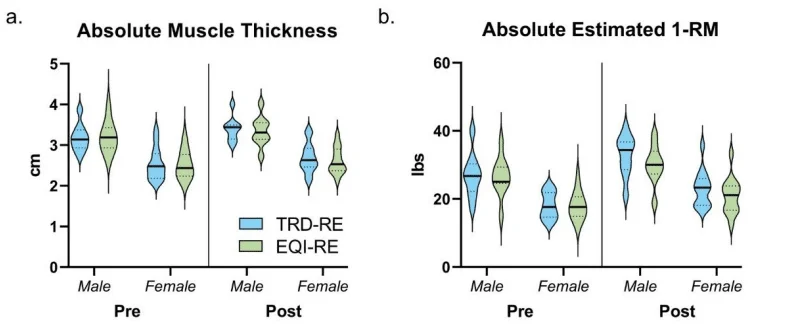
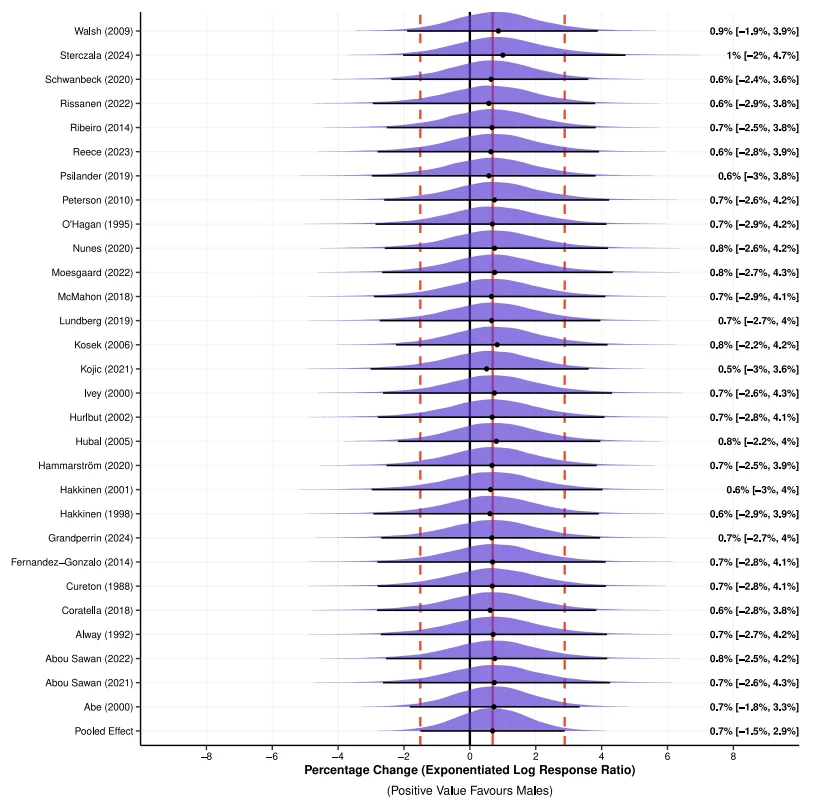
The study also examined sex differences. Earlier work had suggested that women may resist fatigue better during EQIs and therefore complete more repetitions or accumulate more time under tension. This time, the researchers found no apparent sex differences. That result is consistent with a meta-analysis by Refalo and colleagues, which reported similar relative hypertrophy gains in men and women.
Why did traditional training do better? EQIs may have been performed at shorter muscle lengths, which could have limited their effects. A more basic issue may be progressive overload. Participants trained at home, and the main progression was to add sets. More training volume can support hypertrophy over time (one, two), but the relative load stayed constant throughout the study. If that left the EQI condition at too low an intensity to drive meaningful growth, the results tell us as much about the program as about the exercise type.
Tendons, pain, and rehabilitation
Isometrics are often described as a way to “rehabilitate tendons,” ease pain, or get past a sticking point in a lift. There are reasons the approach might help, but the evidence doesn’t support treating it as a shortcut. Exercise can temporarily reduce pain perception, a response called exercise-induced hypoalgesia (research on the phenomenon). Resistance training is also considered one of the most important interventions in conservative tendinopathy care and rehabilitation.
Isometric exercise has been proposed as an alternative to dynamic training (one, two) because it can limit the external mechanical stress associated with movement and lets clinicians apply force more controllably across a joint. Tendinopathy care generally involves managing load (one, two, three) and gradually building tolerance. Tendons can regress, so a controlled isometric exercise may be useful early in rehabilitation. Its usefulness will depend on the person and the condition.
The often-cited trial by Rio and colleagues found greater pain relief after isometric than isotonic exercise in people with patellar tendinopathy. The reduction persisted for 45 minutes after the isometric session, but not after the isotonic one. That result drew criticism: presenting isometrics as immediate pain relief could encourage the mistaken idea that tendinopathy has a quick fix. The critics also pointed to evidence that people can remain functionally impaired and show altered muscle activation after their pain has resolved. And Rio’s findings have not been replicated. They deserve caution.
Broader reviews offer little support for a special pain-relieving effect. A systematic review by Clifford and colleagues found no apparent advantage for isometric training over other approaches, including ice therapy and isotonic training, in chronic tendinopathy. A 2021 review by Bonello and colleagues found no clear evidence that a single bout of isometric exercise produces exercise-induced hypoalgesia. Of 13 studies, only five reported a significant change in pain-pressure threshold after isometrics; positive results appeared mostly in quadriceps exercises.
Some studies have even reported worse symptoms after isometrics in people with fibromyalgia, although Bonello and colleagues did not find those negative effects in their review. Both reviews were limited by wide variation between studies: they involved different tendinopathies and pain-assessment sites, training plans, and comparison groups, and many lacked control groups. Samples were small, and the total number of studies was limited. Clifford and colleagues included 10 studies; Bonello and colleagues included 13. Study quality was generally low to moderate, which leaves a clear need for stronger research on how to prescribe isometrics in these settings.
That uncertainty doesn’t make isometrics useless in rehabilitation. After injury or surgery, they can provide a practical training stimulus while someone moves from passive care toward more dynamic exercise, and they’re generally well tolerated. They can be added as a specific progression once the person has adapted to more passive training. Both pushing and holding isometrics are options, and either can be performed at different muscle lengths.
One possible starting point is a shorter muscle length. Isometrics at shorter lengths have been linked to less muscle damage in the short term (acute evidence), before the repeated-bout effect develops. From there, a clinician might gradually introduce longer muscle lengths, then dynamic movements as tolerance and recovery improve.
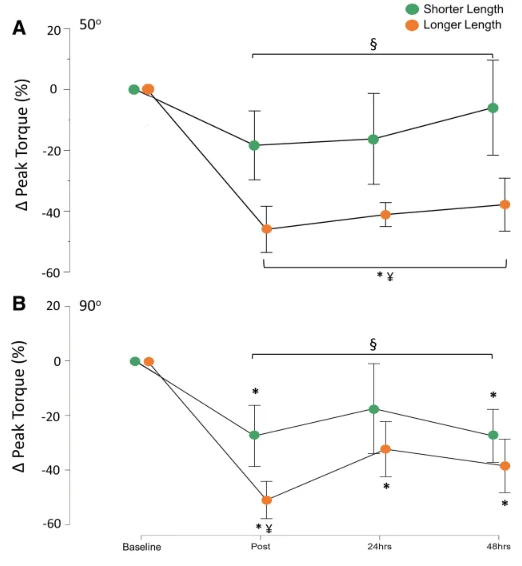
The practical principle is to increase the training stimulus or load progressively, whether the exercise is isometric or dynamic. The muscle action itself may matter less than whether the person can tolerate and recover from the program. Pain response should guide how quickly training advances, and the plan needs to fit the individual.
Tendons are viscoelastic tissues that transfer force from muscle to bone, enabling joint rotation. Like muscle, they adapt to mechanical overload through changes in collagen synthesis and turnover (one, two). Regular loading can increase tendon stiffness, Young’s (elastic) modulus, or cross-sectional area (CSA).
Those changes can matter for performance and injury. Greater tendon stiffness has been associated with stronger force production, a faster rate of force development, quicker sprint times, and lower risk of muscle damage. A tendon that is too compliant may transfer force less efficiently and could raise injury risk.
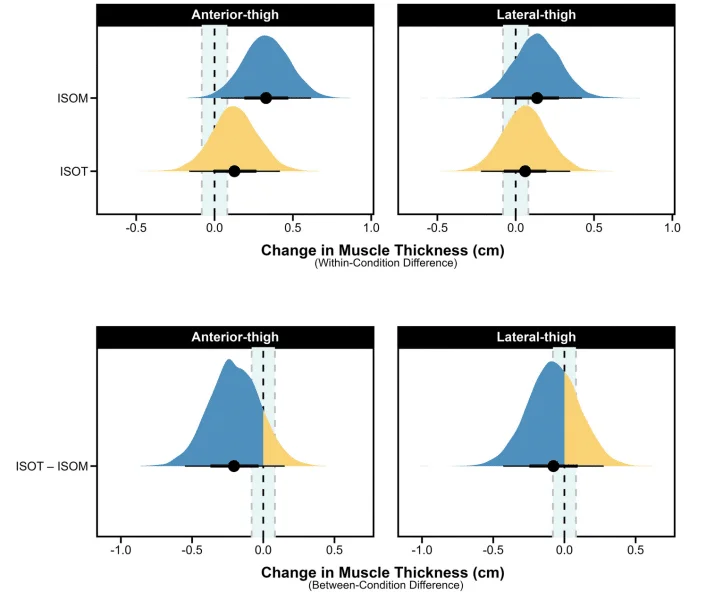
Lazarczuk and colleagues’ meta-analysis examined the overall effects of training on tendon adaptation, which tendon properties change most, and whether factors such as intervention type, age, muscle action, training volume, and intensity alter the response. Greg has a more detailed article about tendon adaptation and the meta-analysis. The concise finding: resistance training that puts high strain on tendons appears to produce the largest adaptations, with stiffness the main one.
Stiffness gains seem to come mainly from increased elastic modulus rather than increased CSA. The meta-analysis found no significant moderating effect of muscle action; similar tendon changes occurred across different actions, although eccentric training may produce larger increases in tendon CSA.
The practical signal from the tendon research is fairly consistent: tendons seem to respond well when isometric work puts them under substantial, controlled load. Oranchuk and colleagues found that training at high intensity (at least 70% of maximum voluntary contraction, or MVC), longer contraction durations, and longer muscle lengths were associated with increases in tendon cross-sectional area (CSA) and/or stiffness. Lower-intensity training (70% MVC or less) may produce more tendon elongation instead. Kubo and colleagues likewise found that training at long muscle lengths reduced elongation in the distal tendon and deep aponeurosis. Training at short muscle lengths produced a small increase. The evidence doesn’t settle every programming question, but it supports a useful working principle: tendons appear to benefit from heavy, controlled mechanical loading.
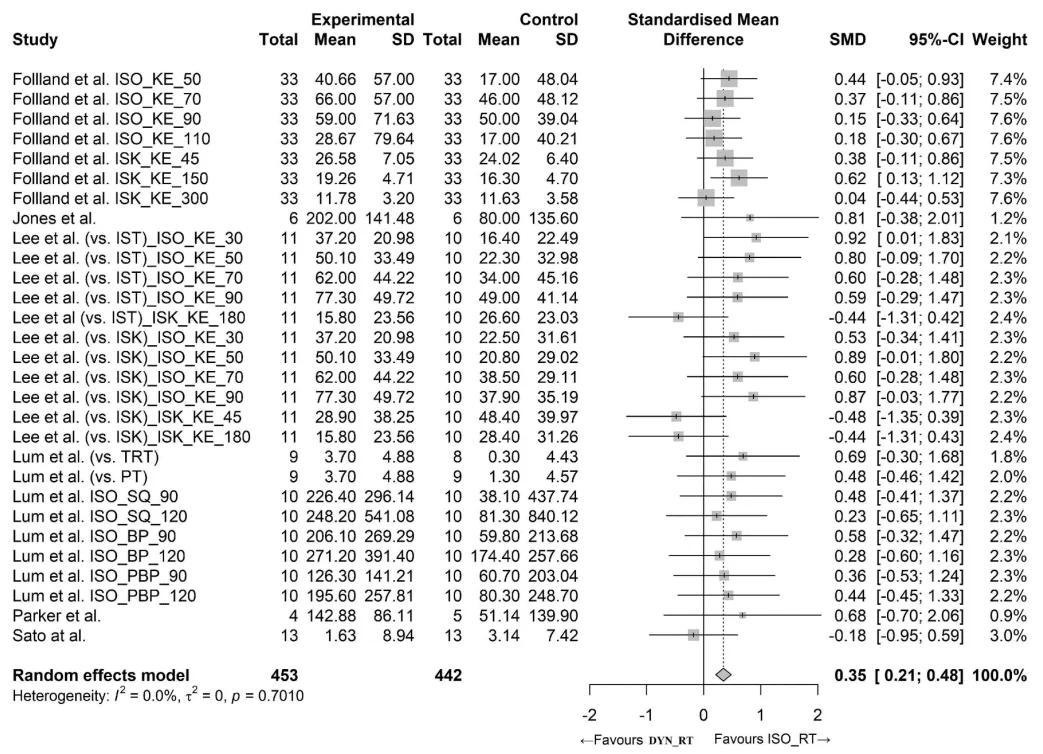
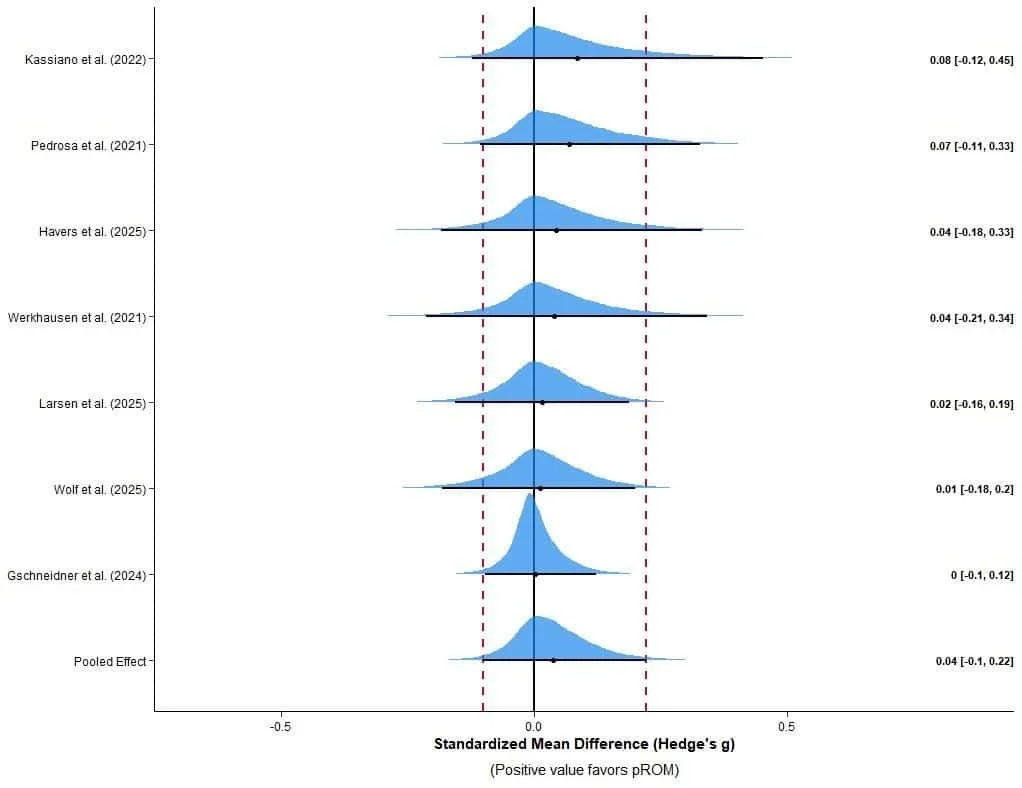
Now to the broader training question: can isometrics build muscle and strength? The evidence says yes, even though isometric work is less commonly used when hypertrophy is the main goal. Studies have reported muscle CSA increases of 5.4% to 23% after six to 14 weeks of training (study), and a substantial body of research has examined these effects (one, two, three, four, five, six, seven, eight, nine, ten).
A 2019 systematic review by Oranchuk and colleagues examined hypertrophy, tendon morphology, neuromuscular changes, and performance, along with how training choices affect those outcomes. Its central practical point is familiar from conventional resistance training: joint angle, training volume, and contraction intensity can all shape the response. Muscle length is one of the clearest examples.
Muscle length and hypertrophy
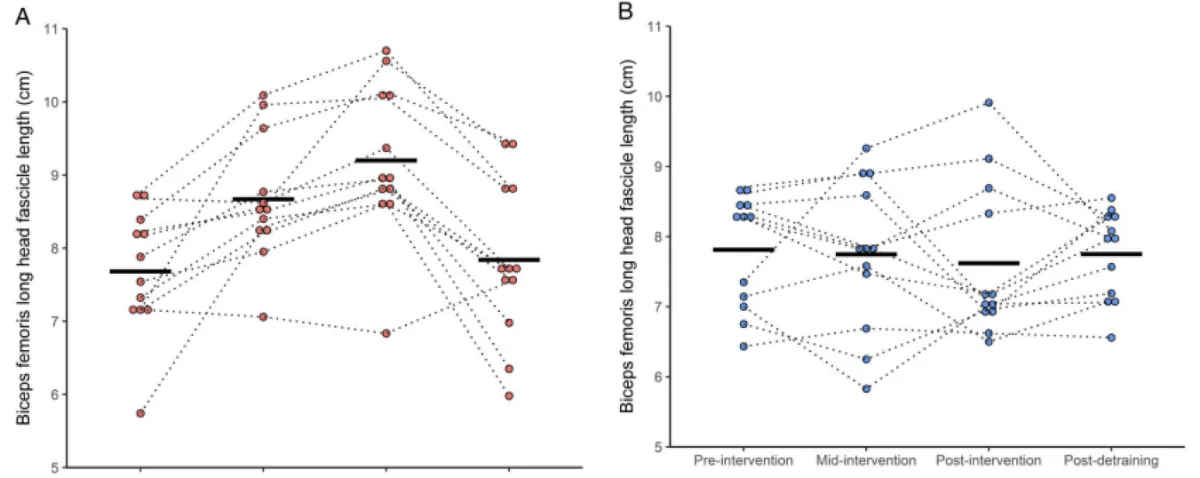
Isometric exercise holds a joint at a fixed angle, so the muscle length under load depends in part on the position you train in. The early evidence leans toward an advantage for longer muscle lengths, but it’s still a small evidence base. At the time of Oranchuk and colleagues’ review, just three studies had compared different joint angles and measured muscle volume or thickness (one, two, three). Across those studies, hypertrophy averaged 1.16 ± 0.46% at longer muscle lengths and 0.47 ± 0.48% at shorter lengths. That’s suggestive, not decisive: three studies can point to a pattern, but they can’t establish how large or dependable the effect is.
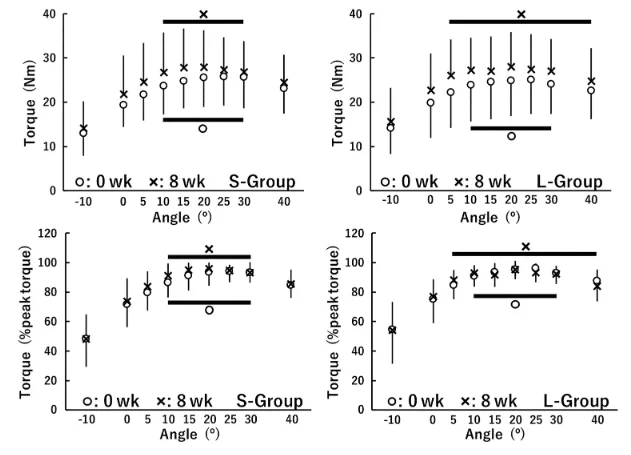
Two later studies help fill in the picture, though they don’t deliver a simple verdict. Akagi and colleagues compared eight weeks of tibialis anterior training at short and long muscle lengths. Participants trained three times per week, doing three sets of eight, nine, or 10 maximal voluntary isometric dorsiflexion contractions. Each contraction lasted five seconds and was performed at either 0° ankle angle (shorter muscle length) or 40° (longer muscle length); participants were told to contract as quickly and forcefully as possible.
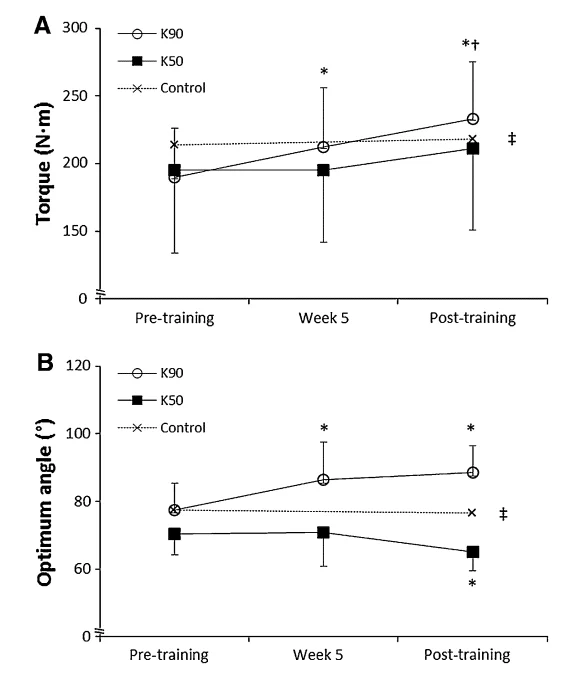
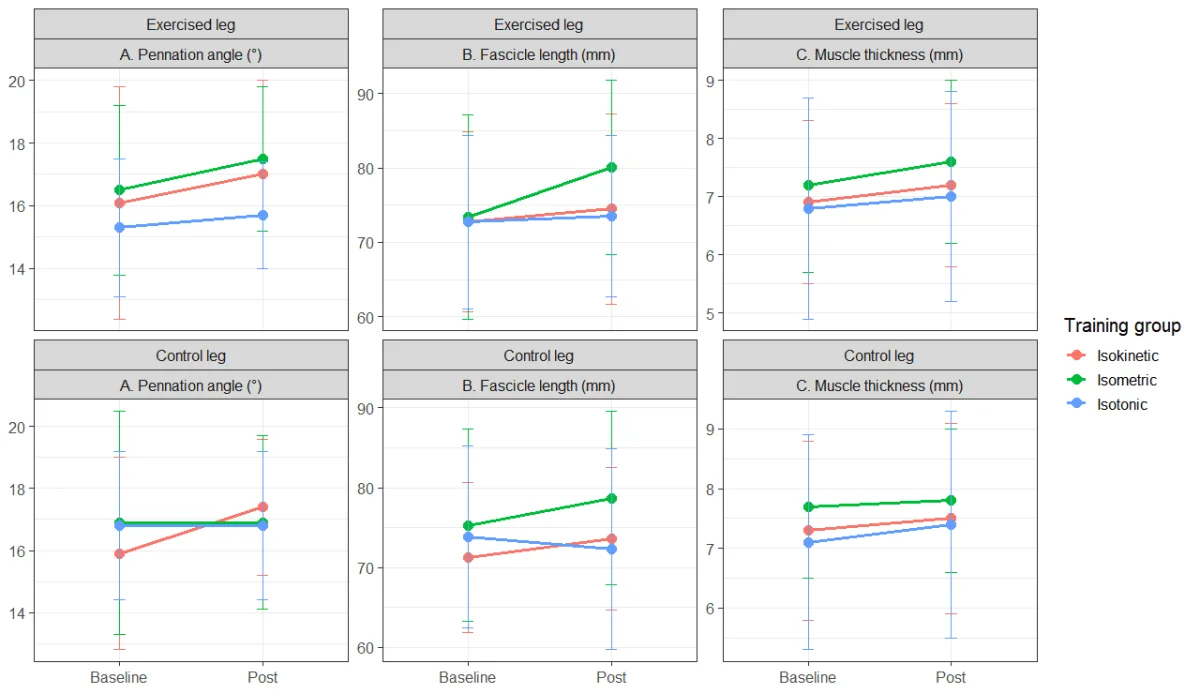
Muscle thickness and pennation angle increased in both groups, with no statistically significant difference between them. Fascicle length increased more in the long-length group after eight weeks. The groups had similar changes in their optimum torque angles, but the greater fascicle-length changes in the long-length group coincided with a wider plateau in the torque–angle relationship. That’s an interesting architectural result, although it doesn’t show that long-length training produced greater overall hypertrophy.
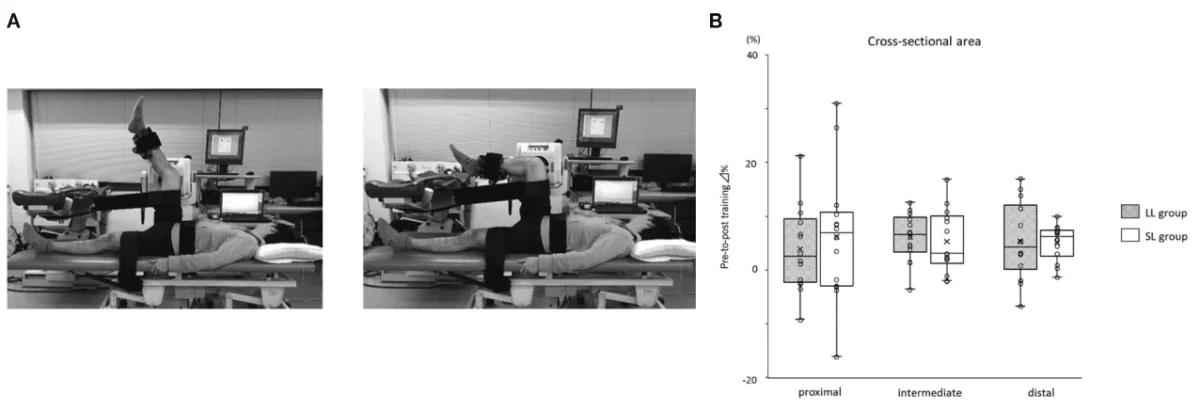
Nakao and colleagues studied eight weeks of knee-flexion training at two muscle lengths. One group trained at 30° of knee flexion, representing longer muscle lengths; the other trained at 90°, representing shorter lengths. Both groups trained unilaterally three times per week while lying supine with the hips flexed to 90°. They performed five sets of 20 five-second contractions, targeting 30% of MVC at the assigned joint angle.
Ultrasound measurements tracked CSA in three hamstring muscles—the long head of the biceps femoris, semitendinosus, and semimembranosus—at proximal, middle, and distal sites. Researchers also measured passive torque and MVC torque at 30° and 90° with an isokinetic dynamometer. Passive torque was included because previous research suggests that training at longer muscle lengths may act through both passive and active tension.
Both groups had small, similar increases in hamstring CSA across all three regions; the difference between groups wasn’t statistically significant. The researchers suggested that the low training intensity may explain the limited growth. MVC torque increased at both tested angles in both groups, but the short-length group made larger gains at 90°. Active torque during training was lower in the long-length group. The authors thought the greater 90° strength gains may reflect more specific neural adaptations in the short-length group, where participants produced more active torque.
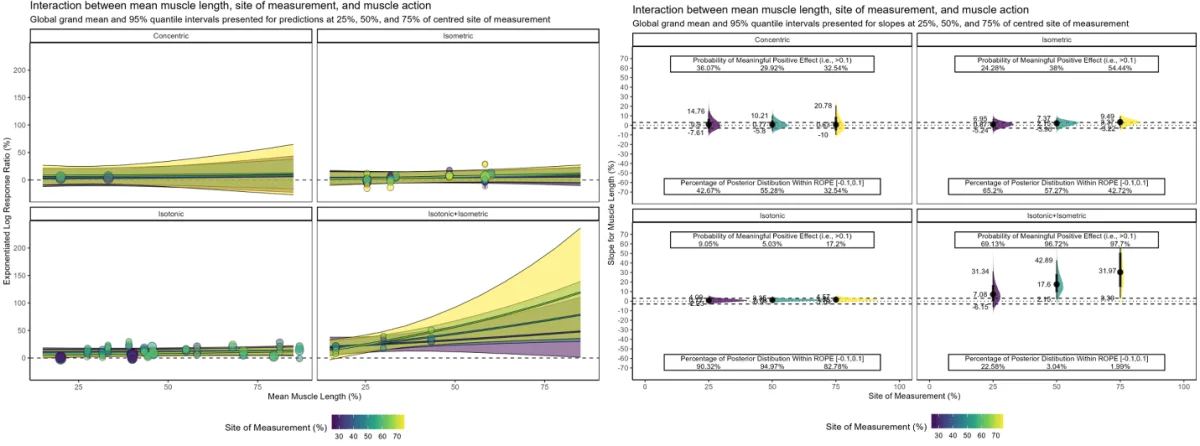
There’s a limitation that matters when turning these findings into gym advice: studies generally compare somewhat shorter with somewhat longer muscle lengths. They haven’t tested training near the muscle’s maximum length. In a recent meta-analysis that included most of the isometric studies discussed here, the average difference in muscle length between groups or conditions across regional-hypertrophy research was only about 21.8%. That gap may be too modest to produce a clear practical difference. In a related set of sub-analyses (one, two, three, four), the estimated effect of muscle length tended to increase from proximal to distal sites. But the analyses included few studies, and their wide 95% quantile intervals signal substantial uncertainty. More research is needed before treating that pattern as a reliable rule.
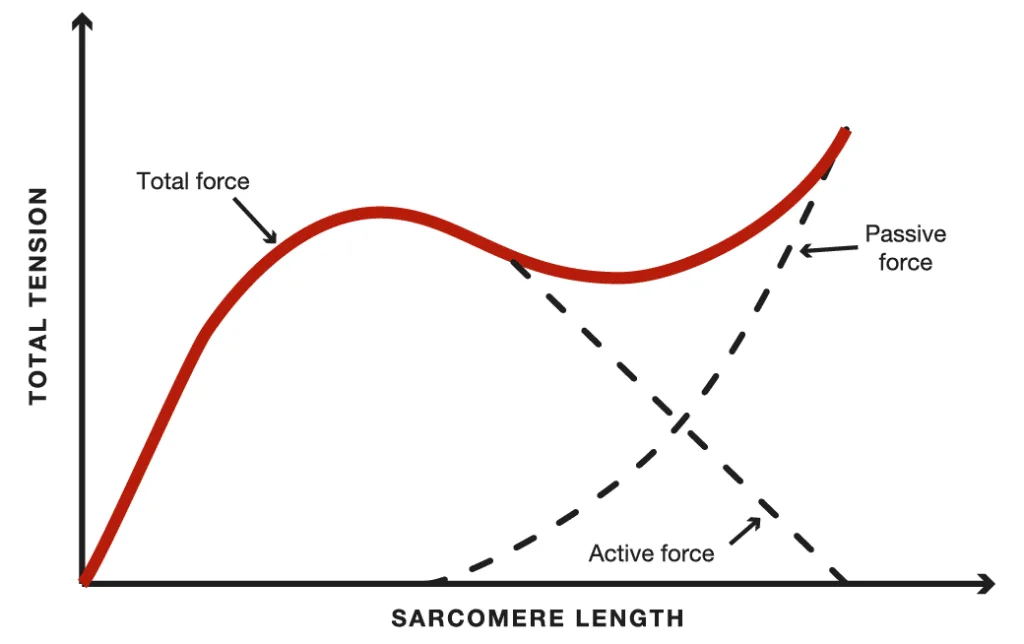
One proposed target is the plateau region of the length–tension curve. At these sarcomere lengths, the contractile filaments actin and myosin overlap in a way that supports high active force. At very short or very long lengths, excessive or insufficient overlap reduces active force. On that reasoning, training near the plateau might produce more hypertrophy than training at shorter lengths for a given muscle group (proposal).
The active length-tension curve of an individual sarcomere
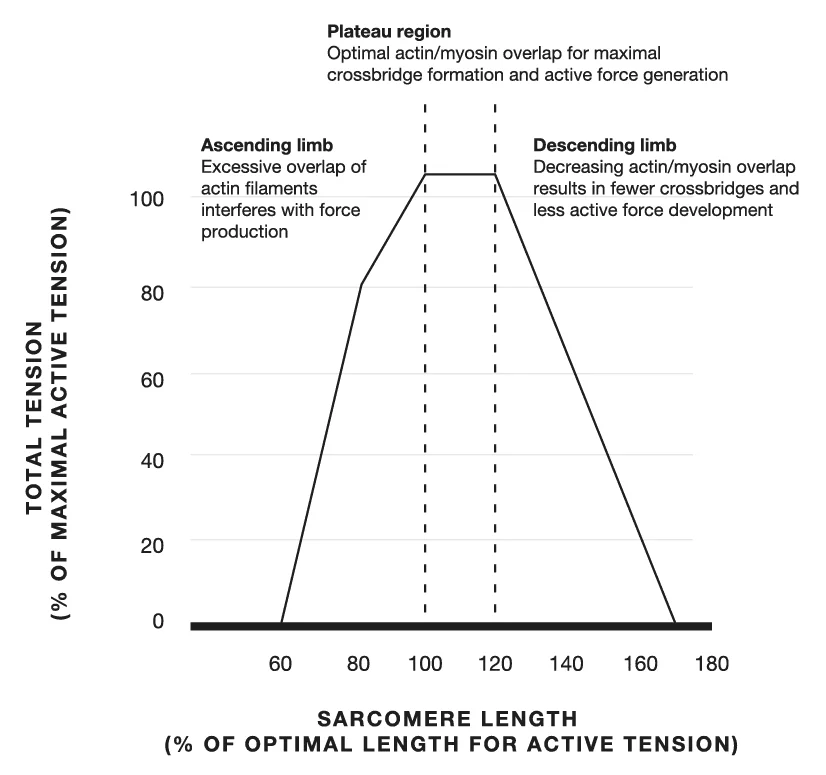
Whether plateau-focused training would outperform training at longer muscle lengths is unknown. No published study has directly compared plateau-only training with both shorter- and longer-length training under well-matched conditions. And biomechanical models don’t translate neatly into individual programs: the length–tension curve, including the plateau region, can vary considerably from person to person.
Changes in muscle architecture
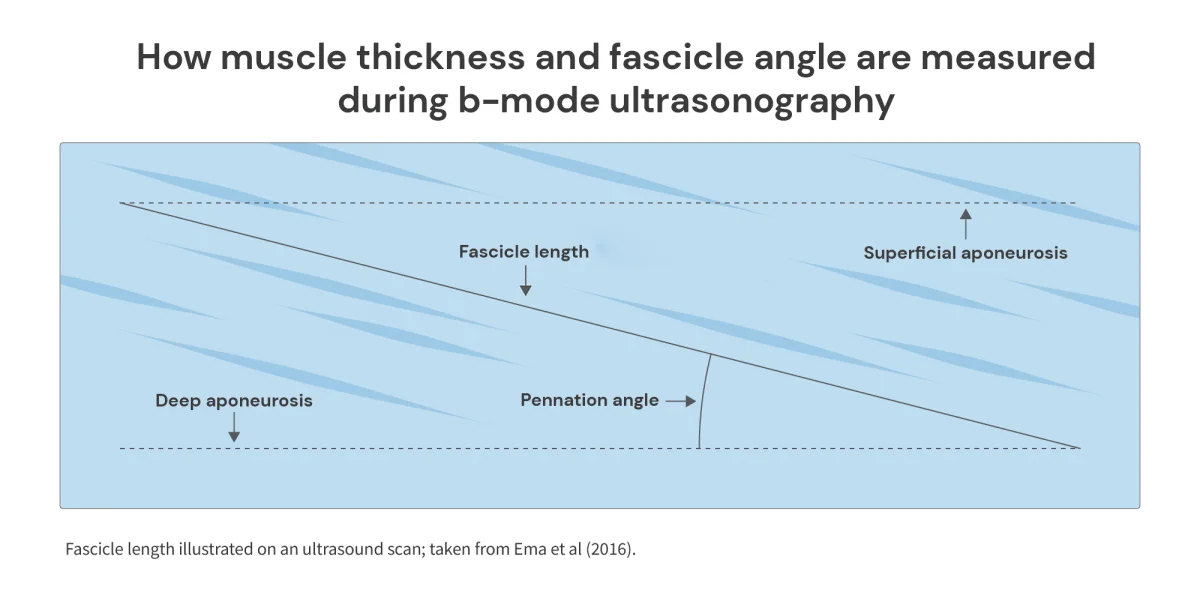
Hypertrophy is only part of the story. Several studies have examined whether isometric training changes pennation angle—the angle of muscle fibers relative to the tendon—or fascicle length (one, two, three, four, five).
In a six-week study, Noorkõiv and colleagues compared isometric training at shorter and longer muscle lengths. They measured vastus lateralis fascicle length at the proximal, middle, and distal regions, and rectus femoris fascicle length at the middle region. In the vastus lateralis, the short-length leg had a larger middle-region increase than the long-length leg: 5.6% versus 3.8%. At the distal region, fascicle length rose by 5.8% after long-length training but fell by 1.1% after short-length training. Rectus femoris fascicle length didn’t change significantly in either condition. The results differ by measurement site, which is a reminder that a single muscle-length reading may miss regional changes.
Alegre and colleagues compared shorter- and longer-length isometric knee extensions over eight weeks. Vastus lateralis pennation increased more in the long-length group (11.7 ± 14.7%) than in the short-length group (7.3 ± 10.2%). The difference in fascicle length wasn’t statistically significant, but the averages moved in opposite directions: an increase of 4.2 ± 12.7% in the long-length group and a decrease of 0.3 ± 12.5% in the short-length group. Akagi and colleagues also found greater fascicle-length changes with long-length training, while pennation angle increased similarly in both groups.
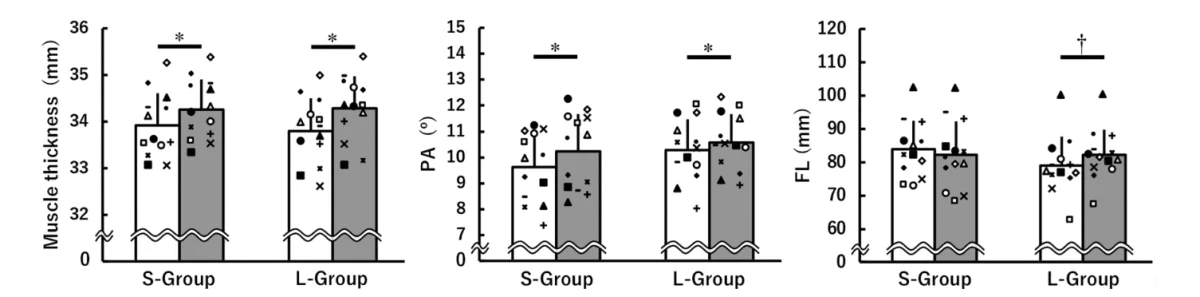
Researchers often describe eccentric actions as a stronger stimulus for fascicle-length increases—a proxy for adding sarcomeres in series—and concentric actions as a stronger stimulus for pennation-angle changes, a proxy for adding sarcomeres in parallel (review). But the role of muscle length complicates that familiar summary.
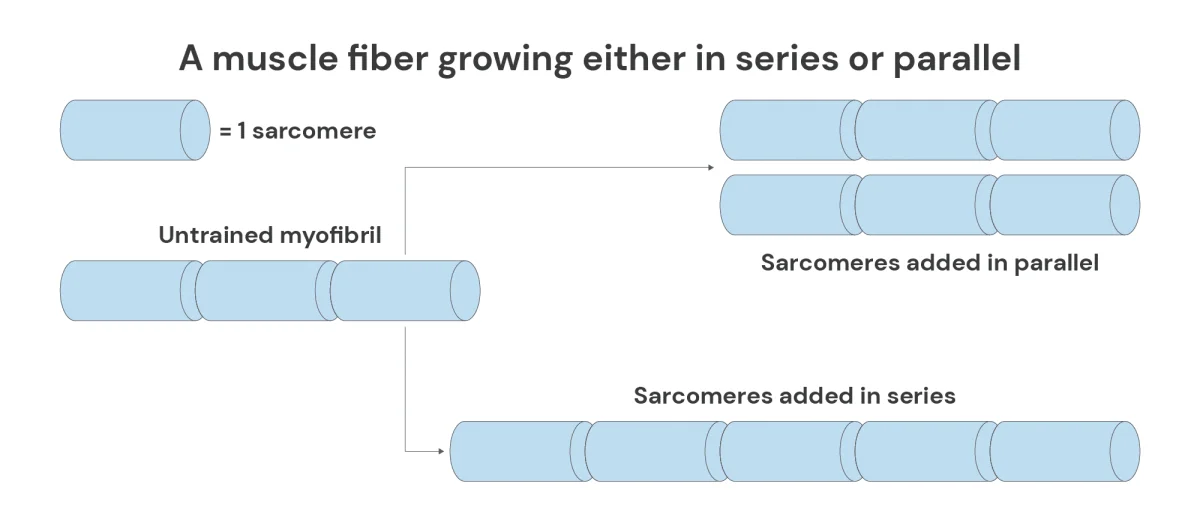
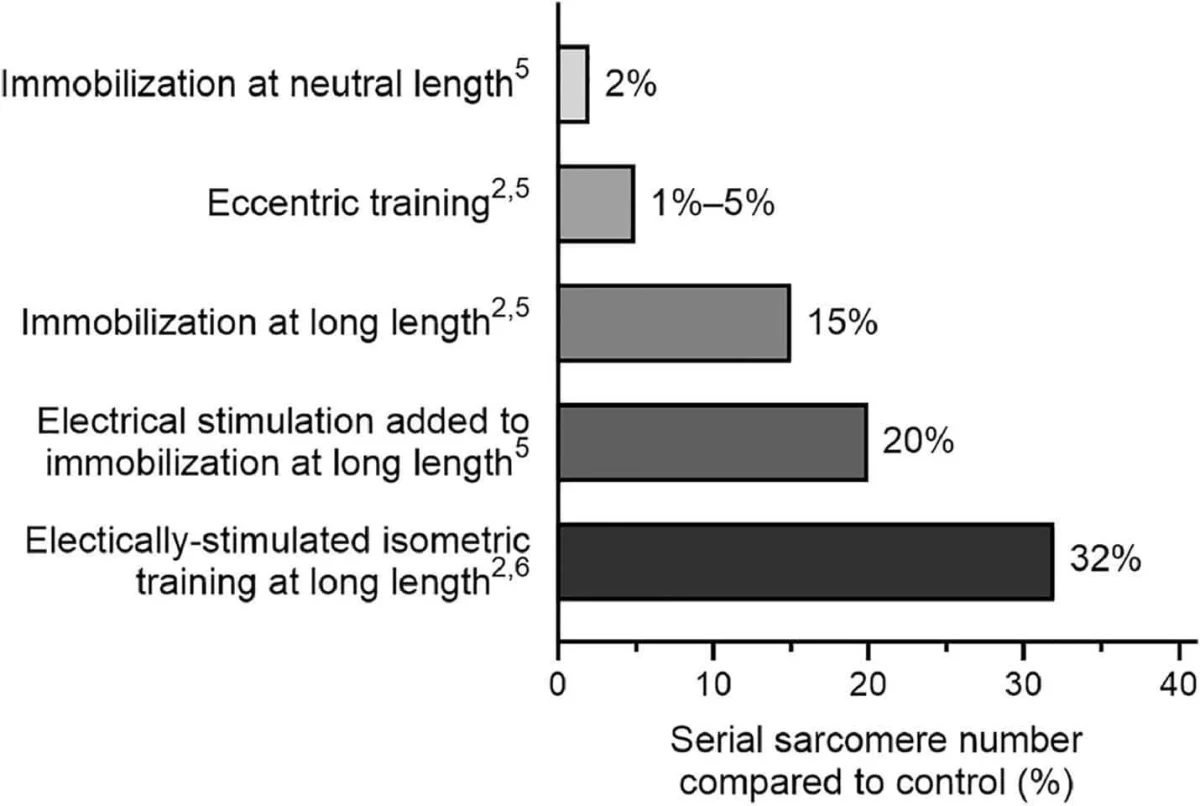
In a recent discussion, Blazevich and colleagues argued that producing high force at long muscle lengths may matter more for sarcomere addition than eccentric action itself (article). That claim prompted a debate with Power, Franchi, and Hinks, another prominent research group on the topic (exchange). In their response, Blazevich and colleagues compared changes in average serial sarcomere number (SSN) across interventions and control groups. Typical eccentric protocols in animal models produced increases of about 1% to 5%; electrically stimulated isometric training at long muscle lengths produced an increase of about 32% (response). In those animal models, then, long-length electrically stimulated isometrics produced a much larger SSN increase than eccentric actions. That’s striking, but animal-model results don’t by themselves tell us what will happen in human training.
Across the isometric studies, muscle length looks like a meaningful programming variable, perhaps more influential than the type of muscle action alone. Other research points in the same direction: eccentric training at longer rather than shorter muscle lengths has produced greater fascicle-length increases (study one, study two). Still, the available comparisons don’t establish an ideal length or show that one position will suit every muscle and person.
Training volume and intensity
With dynamic resistance training, volume is often counted as hard sets per muscle group each week. Isometric volume can also be described by the number of sets, but that misses other useful measures: total time under tension, total contractions, or sets multiplied by repetitions and contraction duration.
More isometric work may produce more hypertrophy, much as higher volumes have recently been linked with greater growth in dynamic training by Pelland and colleagues. For a broader discussion of volume, strength, and hypertrophy, see Greg’s article. An older study by Meyers compared six weeks of maximal isometric training: one group did three six-second contractions, while another did 20 six-second contractions. The higher-volume group had larger increases in upper-arm circumference. Measurements were taken with the trained arm relaxed and flexed at 90°, and with the untrained arm relaxed. Most between-group differences in strength and muscular endurance weren’t significant, although the higher-volume group gained more strength at 90° of elbow flexion.
Intensity is usually expressed as a percentage of MVC. One comparison suggests that how hard you contract may affect which outcome improves most. Kanehisa and colleagues assigned participants to 10 weeks of unilateral elbow-extension training with either 12 six-second contractions at 100% MVC per session or four 30-second contractions at 60% MVC. The researchers matched volume using percentage of MVC multiplied by contraction duration and sets per session.
Both groups had similar relative increases in triceps CSA, long-head fascicle pennation angle, and dynamic torque. Yet MRI showed a larger increase in muscle volume after the 100% MVC protocol: 12.4%, compared with 5.3% after training at 60% MVC. Torque relative to muscle volume improved only in the lower-intensity group. That distinction matters: a protocol can produce less growth while still improving strength relative to muscle size.
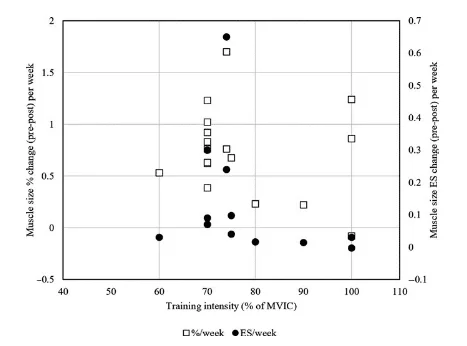
Across the available research, hypertrophy appears broadly similar when intensity is sufficiently high or time under tension is matched. But the details matter. In the Kanehisa study, CSA and pennation changes were similar at 60% and 100% MVC, while muscle-volume gains favored 100% MVC and torque relative to muscle volume favored 60% MVC. Oranchuk and colleagues reported weekly hypertrophy of 0.77 ± 0.26% at intensities of 70% MVC or less, versus 0.70 ± 0.55% above 70% MVC, under broadly comparable loading.
The takeaway is measured, but useful: isometrics can support muscle growth and strength, and the training position, dose, and effort all shape what changes. Longer muscle lengths are a reasonable option to consider, particularly when the goal includes fascicle-length changes, but the human evidence remains limited and doesn’t identify a single best joint angle. If you’re programming isometrics, treat these findings as guidance for experimentation—not a settled formula.