Research links weight discrimination with poorer health, while findings suggest shame can backfire. Respectful, useful conversations about weight still matter.
Weight stigma can add to the health challenges associated with higher body weight. Studies link weight-based discrimination with depression, inflammation, oxidative stress and a higher risk of death. Research also suggests that shame may increase eating for some people and discourage exercise, making stigma a poor tool for improving health.
Discrimination may reinforce a difficult cycle
A four-year study that followed thousands of people found that those who reported discrimination had more than twice the odds of becoming obese. Among people who were obese at the start, those reporting discrimination had more than three times the odds of remaining so compared with people of similar starting weight who did not report discrimination. These findings show an association; they don’t establish exactly how discrimination affects weight.
Stress-related eating could be one pathway. Avoiding exercise in public could be another. People who experience weight stigma more often report feeling judged or embarrassed while exercising, and they may stay away from gyms and other public fitness settings. Research has documented anti-fat bias among fitness professionals as well as other gym users, which can make those spaces feel unwelcoming.
The effects may extend beyond changes in weight. Studies associate more frequent weight-based discrimination with higher depression and inflammation, greater oxidative stress and shorter lifespan. Two studies following nearly 20,000 people each found about a 50% increase in mortality risk among participants who reported more day-to-day discrimination. These are observational findings, so they can’t show that discrimination alone caused the differences. Still, the pattern raises concerns about the health costs of stigma itself.
Shame doesn’t appear to motivate reliably
Some scholars have argued that social pressure could encourage people to lose weight, drawing a comparison with efforts to discourage smoking. But weight and smoking are different behaviors, and the results of weight-focused shaming don’t support the idea that stigma reliably motivates change.
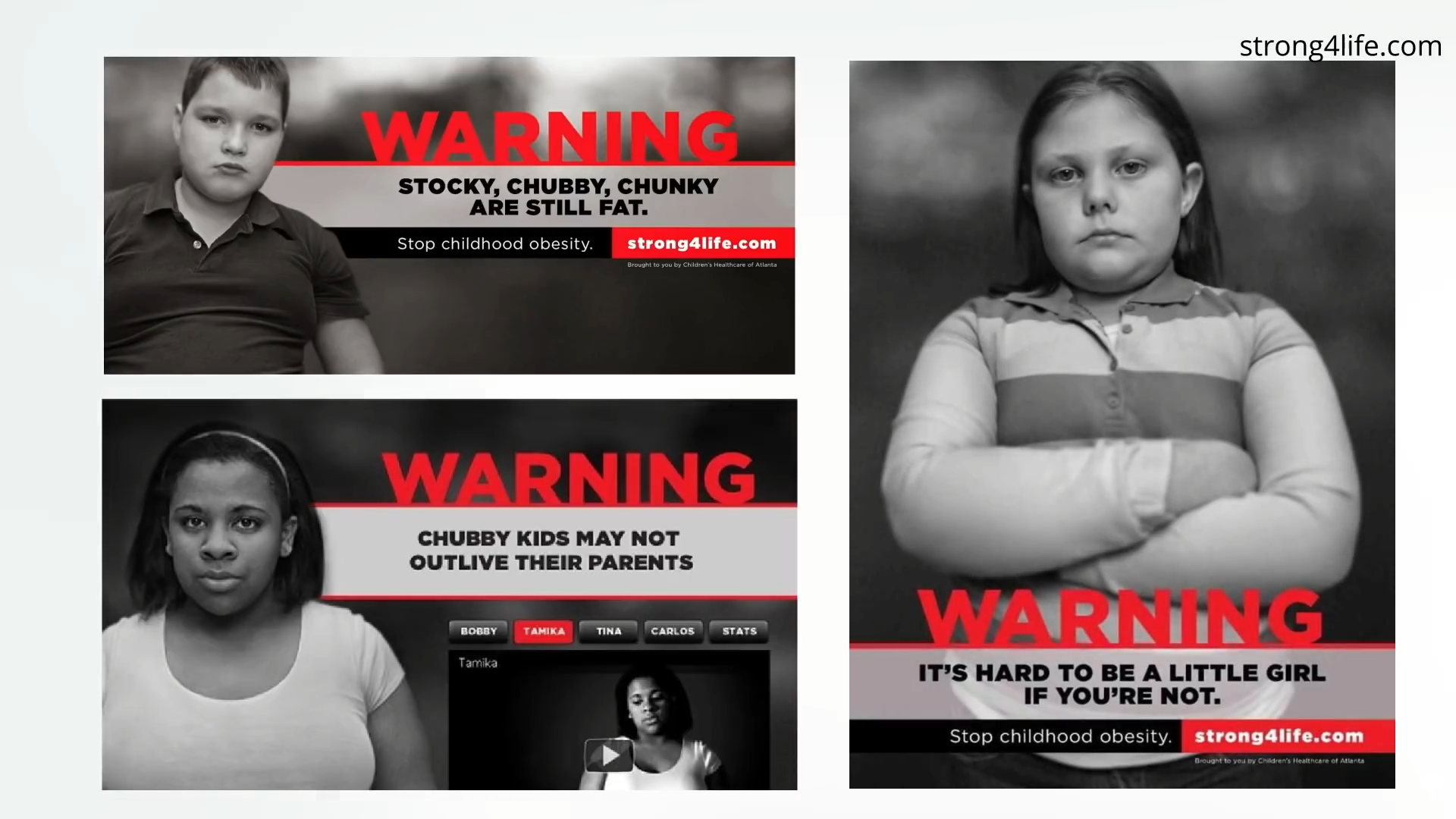
One prominent example was Georgia’s Strong4Life outreach effort, which used images of children with captions warning about their weight and future health. Its sponsors said the approach was meant to challenge complacency in a state with high childhood obesity rates. The key question is whether messages like these help. A study from Yale researchers suggests they can have the opposite effect for some people.
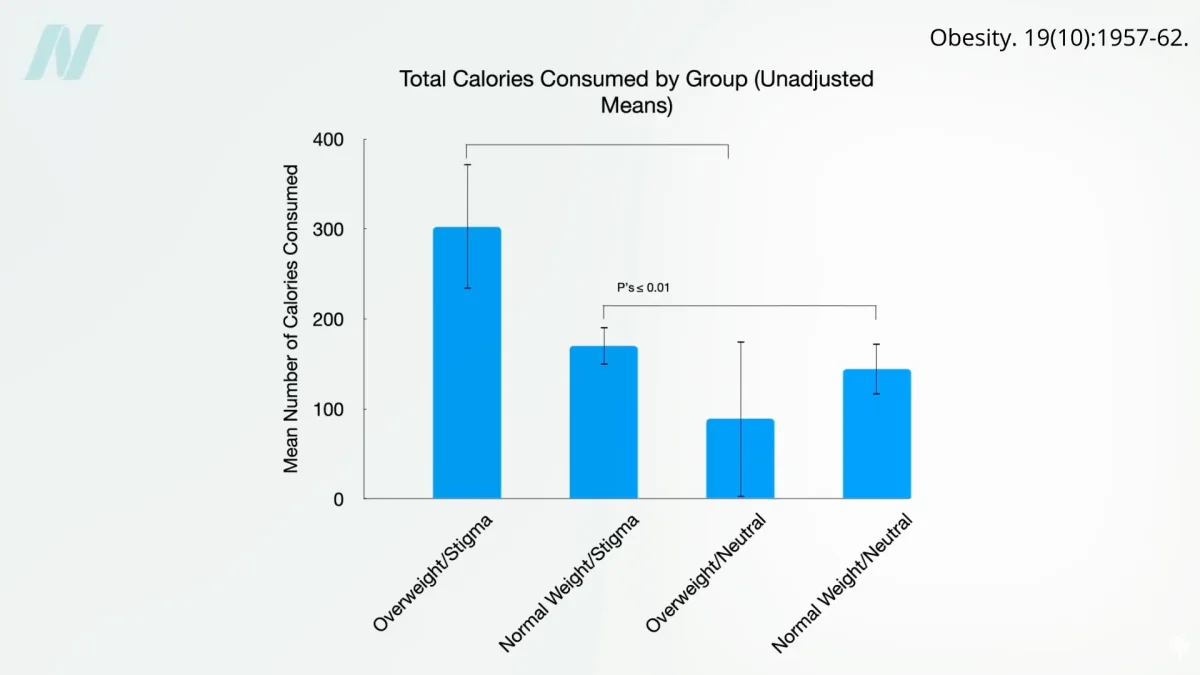
In that experiment, women watched either neutral clips, including insurance commercials, or scenes built around stereotypes that portrayed people with higher weight as clumsy, loud or lazy. Afterward, participants had access to snacks such as M&M’s, jelly beans and chips. Normal-weight women ate about the same amount after either set of clips. Overweight women ate three times as many calories after the stigmatizing scenes as after the neutral ones.
The experiment was limited to a particular group and setting, so it can’t tell us how every person will respond. But it directly challenges the claim that stigma is a useful spur to weight loss. A separate study found that children labeled “too fat” had a higher risk of becoming obese than children who began at the same weight but weren’t given that label. These findings point to a possible backfire effect, not a reason to dismiss health concerns.
Clear, respectful conversations still matter
Many parents don’t report being told by a pediatrician that their child is overweight; in one study, fewer than one in four said they had received that information. Parents may not always recognize a child’s weight status, and adults’ views of their own weight can also differ from broader trends. That can leave families without information they may need to discuss health.
People have a right to understand what a clinician sees and what it could mean for their health. In one study, people told by a doctor that they were overweight had about four times the odds of trying to lose weight and about twice the odds of succeeding. Those associations don’t establish that the conversation alone led to weight change, but they suggest that silence can leave patients without a starting point.
Clinicians’ own experiences may shape whether the subject comes up. Research has found that doctors with higher body weight are less likely to raise weight loss or record obesity in patient charts. At the same time, patients with higher weight have reported trusting diet advice more when it comes from a doctor who also has higher weight.
Useful support requires more than telling someone to “watch what they eat.” Fewer than half of primary care doctors surveyed said they offered specific advice, and many said they would spend more time on weight management if their time were better compensated. A respectful conversation can share relevant information without blame, and it can make room for a patient’s questions and circumstances.
Former patients describe the burden
One study interviewed 47 people who had lost and kept off more than 100 pounds. On average, they were 126 pounds lighter than when they had been at their heaviest. Researchers asked them to imagine choosing between remaining morbidly obese for life in exchange for a couple of million dollars, or being at a normal weight without the money. Forty-six chose normal weight immediately; one needed time to consider it, and none chose the money.
The researchers also asked participants to compare obesity with other conditions. All 47 said they would rather live with deafness, dyslexia, diabetes, severe acne or heart disease than return to being obese. More than 90% preferred losing a leg or being legally blind. These answers come from a small group of people with personal experience of major weight loss, so they don’t represent everyone living with obesity. They do offer a stark account of the hardship these participants associated with their former weight.
One participant explained the difference this way: “When you’re blind, people want to help you. No one wants to help you when you’re fat.” That experience is a reminder that health conversations can affect whether people feel supported enough to seek care. Weight may be relevant to health, but blame and humiliation can carry costs of their own.
Doctor’s Note: This piece is the concluding installment of a two-part series. The previous installment is Weight Bias in Health Care. The information is drawn from How Not to Diet.