Food comparisons matter: trials link plant proteins with lower LDL than meat, while nut benefits have also appeared among nonvegetarians.
The food used as a comparison can change what a nutrition study appears to show. Trials comparing red meat with chicken or fish ask whether one kind of meat performs differently from another; they don’t establish how meat compares with plant proteins. That distinction matters when interpreting findings on cholesterol, and when considering research linking nuts with longer life.
What the meat trials compared
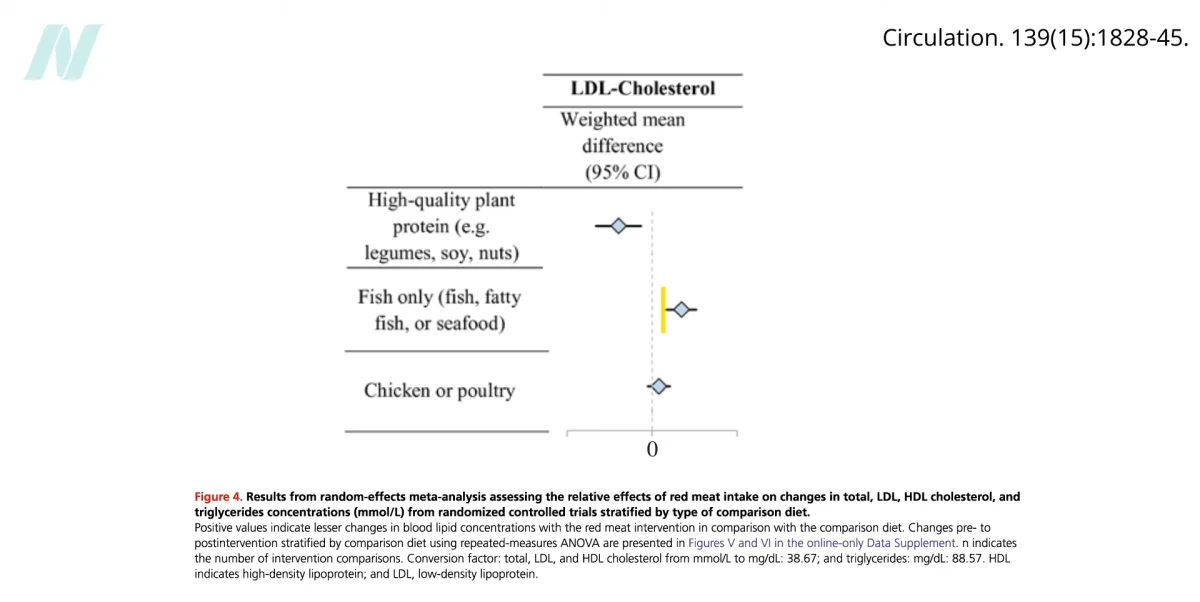
A meta-analysis of randomized trials reported that eating more red meat, compared with eating less, did not worsen certain cardiovascular risk factors, including cholesterol and blood pressure. But an editorial by Neal Barnard and Walter Willett questioned what the trials’ comparison diets actually contained. Of 39 trials assessing LDL cholesterol, they reported, nearly 90% compared red meat with white meat.
In other words, many of these studies tested one animal protein against another. A result showing little difference between the two doesn’t tell readers what might happen if either were replaced with beans, soy, or nuts. The trials’ authors used chicken or fish as control foods in some comparisons, according to the source article. The editorial’s central question—“Compared with what?”—is a useful one to apply to nutrition research more broadly.
This doesn’t by itself prove that a study was designed to mislead. It does mean its conclusion needs to stay within the comparison the researchers actually made. A trial that switches one meat for another cannot answer whether replacing meat with plant foods changes LDL.
Plant proteins and LDL
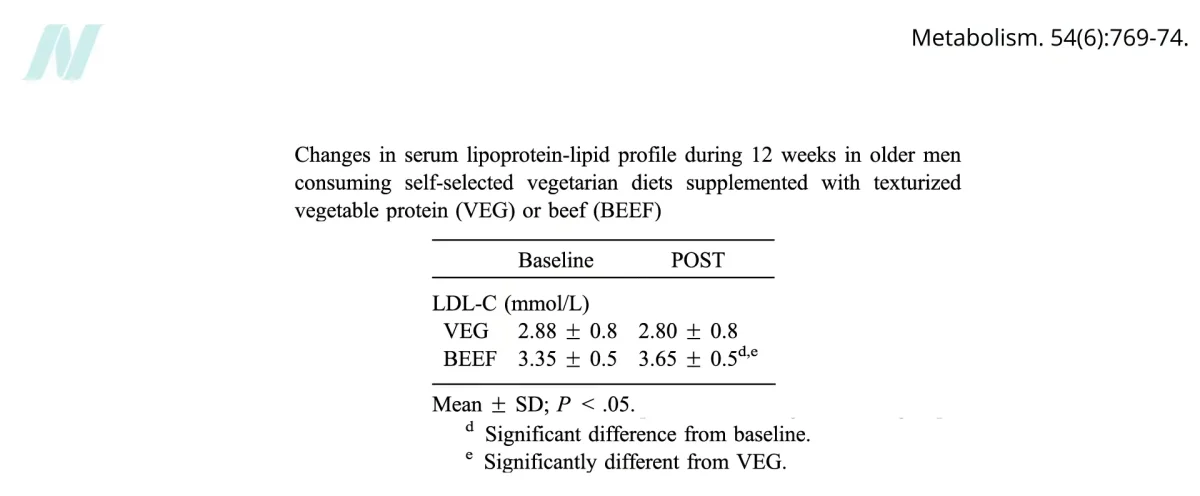
The cited research points to a different pattern when the comparison is between animal and plant proteins. One study found lower cholesterol when participants ate plant-based meat alternatives in place of meat. Other research discussed in the source reports higher LDL with red or white meat than with non-meat protein sources, including soy, nuts, and legumes such as beans, split peas, chickpeas, and lentils. The article also notes that differences in saturated fat may help explain some results, while other analyses attempted to account for saturated fat content.
These findings support a practical reading: the replacement food matters. Replacing lean beef with nuts or soybeans, using portions with the same calorie content, has been associated in the cited research with lower LDL. That result concerns a cholesterol measure, which is a risk factor for cardiovascular disease; it does not mean that one food swap alone guarantees a particular health outcome.
Comparisons also have limits. The trials described here focus on blood lipids, not whether a particular diet prevents heart attacks or extends life. How long participants were followed, what else they ate, and how foods were prepared can all affect how far a result applies. And a finding about one plant-based patty or sausage may not describe every product in that category.
What nut studies can—and can’t—tell us
Observational studies have associated eating nuts with lower risk of premature death. The source cites an estimate of a 22% reduction associated with a daily serving, but that figure describes an association in population research. It doesn’t show that nuts alone caused the difference. People who eat nuts may differ in other ways, and researchers can adjust for measured factors without ruling out every possible influence.
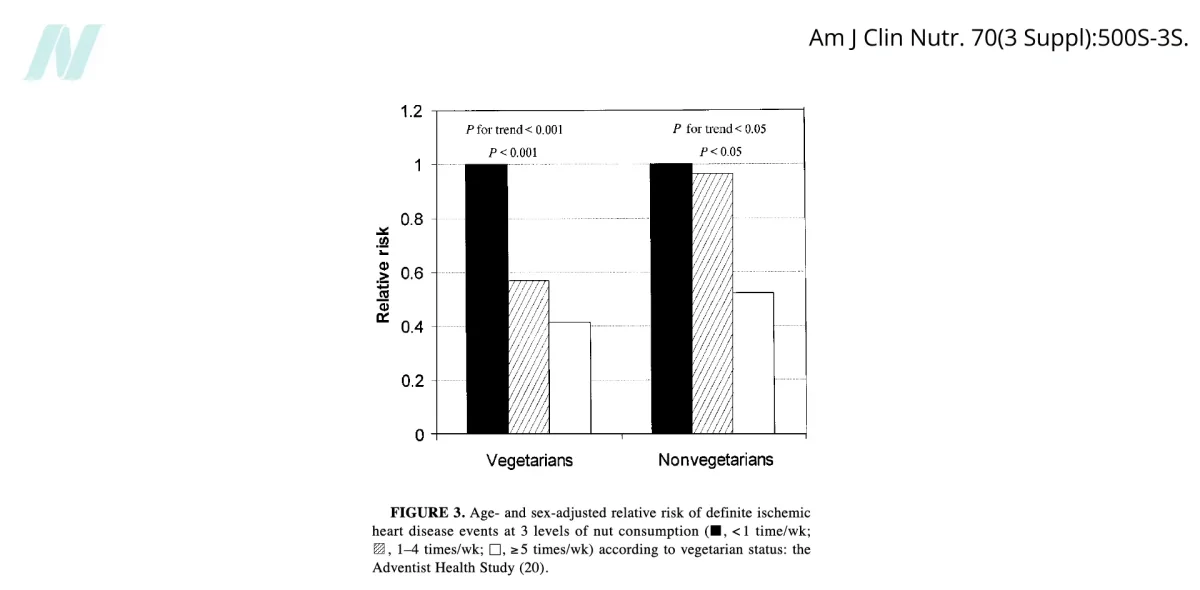
The article also points to studies in which the association between frequent nut consumption and fewer heart attacks was seen among nonvegetarians as well as vegetarians. That makes it less likely that the observed relationship is explained only by nuts replacing meat. Still, these findings don’t establish that nuts have the same effect for every person or that they independently prevent heart attacks.
In one comparison of 12 food groups, nuts were associated with a lower risk of premature death than vegetables. That ranking should be read as a finding from a particular analysis, not as proof that nuts are universally more beneficial than vegetables. Studies that compare food groups depend on how foods and outcomes are defined and on which other factors the researchers can account for.
A useful way to read nutrition headlines
When a study says one food has no worse effect than another, look for the comparison group before drawing conclusions. “Red meat versus chicken” answers a different question from “red meat versus lentils.” Likewise, lower LDL in a short-term food trial is not the same finding as lower rates of illness or death over many years.
For readers weighing dietary changes, the evidence described here makes plant proteins a relevant alternative to consider, and it gives a reason to pay attention to what a food replaces. People managing cholesterol, heart disease, food allergies, or other health needs can discuss suitable choices with a doctor or dietitian. The clearest takeaway from this research is that nutrition findings make more sense when the comparison food—and the outcome being measured—are stated plainly.