Small studies suggest possible links between certain foods and hair growth, but the evidence is limited and doesn’t show they can treat hair loss.
Some early human studies suggest that compounds found in soy, hot peppers and pumpkin seed oil could affect hair growth. The findings are interesting, but they don’t establish that eating these foods prevents or treats pattern hair loss. The strongest food-related evidence described here comes from a small, 24-week trial in men, and the other findings need careful interpretation.
Diet findings range from associations to small trials
Androgenetic alopecia, also called male or female pattern hair loss, is a common, gradual form of hair loss that typically affects the central scalp. Researchers are exploring whether diet might play a role, but the evidence comes from different kinds of studies, which do not carry the same weight.
Population studies have linked male pattern hair loss with factors such as poor sleep and greater consumption of meat and junk food. Other studies have reported associations between less hair loss and eating raw vegetables and fresh herbs, or drinking soy beverages. In one report, weekly soy beverage consumption was associated with 62% lower odds of moderate to severe hair loss. That result describes a relationship in a population; it cannot show that soy caused the difference or predict what will happen for an individual.
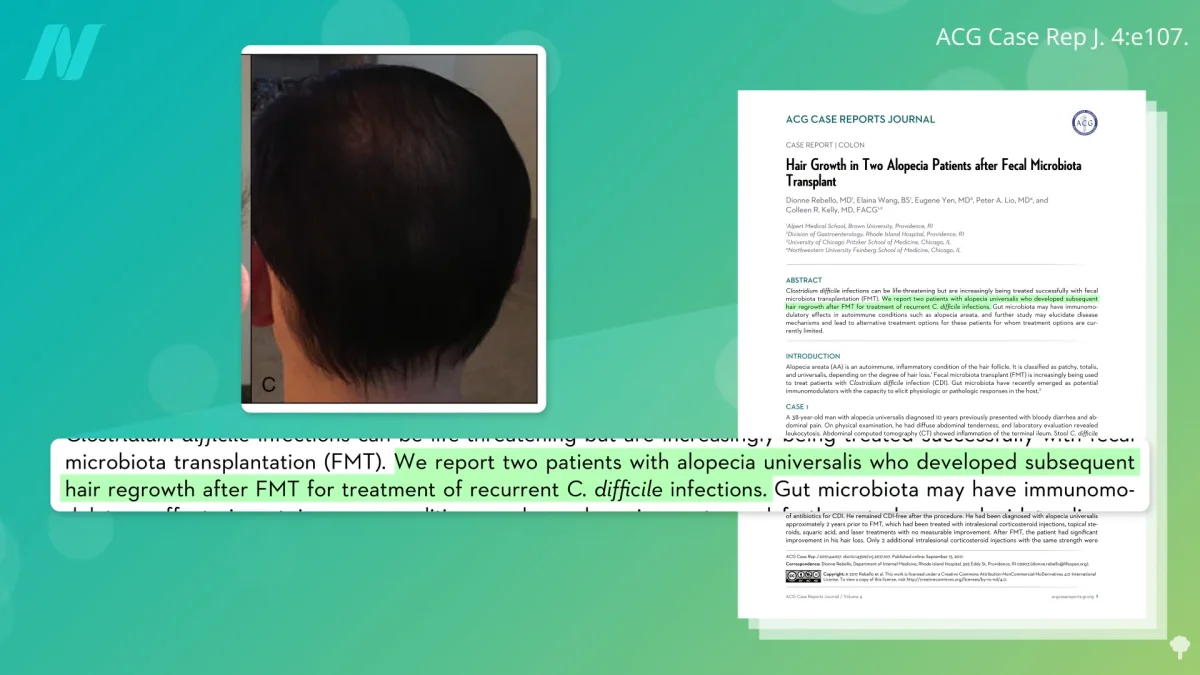
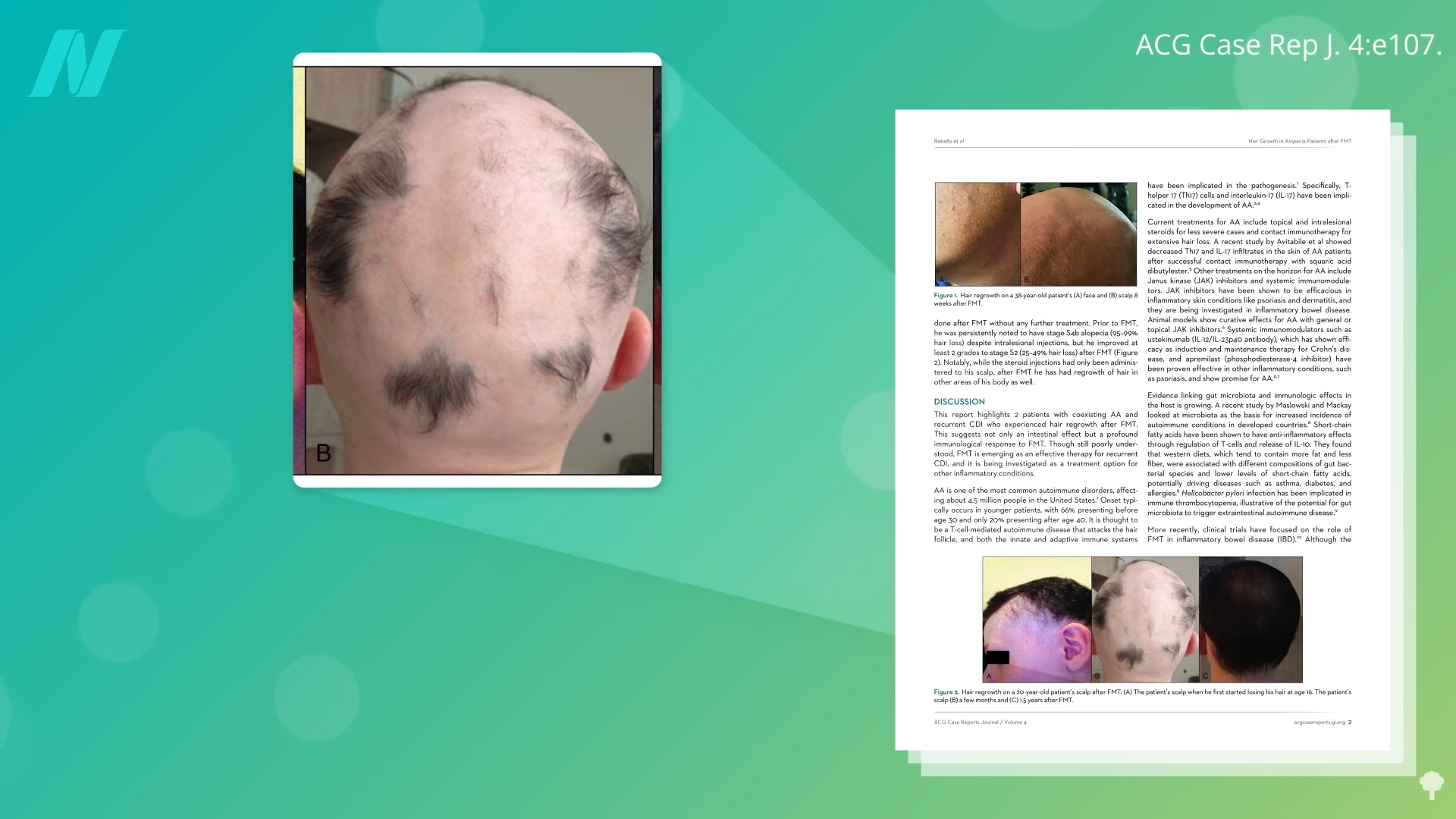
A separate human report described hair regrowth in a man after a fecal transplant. It’s a striking observation, but a single case cannot establish that the procedure caused the change or that it offers a useful approach to hair loss. It does raise questions about the gut microbiome that researchers would need to examine in carefully designed studies. It isn’t a reason to try a transplant or any other microbiome treatment for hair growth.
Capsaicin and soy isoflavones
A randomized, double-blind, placebo-controlled study tested daily capsaicin, the compound that gives hot peppers their heat, together with soy isoflavones. The report described greater hair growth in the group taking the compounds. This design can provide more useful evidence than an observational study because participants were assigned to treatment or placebo, and the comparison was blinded. Still, the source doesn’t give the number of participants or enough detail to judge how broadly the result applies.
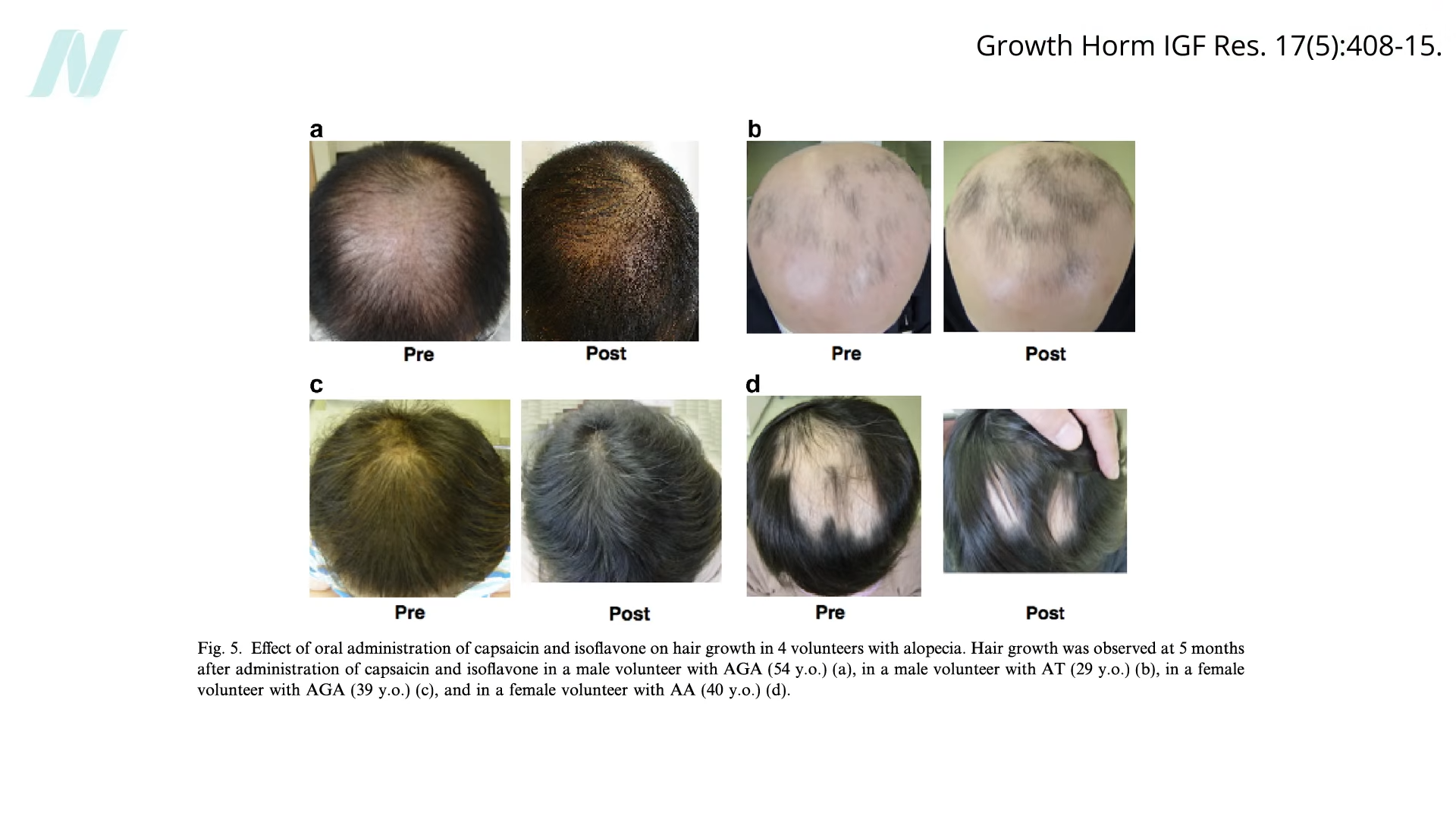
The amounts tested were 6 milligrams of capsaicin and 75 milligrams of isoflavones per day. The source estimates that a quarter of a fresh jalapeño can provide the capsaicin amount, while about three-quarters of a cup of tempeh or soybeans can provide the isoflavone amount. Those comparisons describe the study’s ingredients; they aren’t established food prescriptions for hair loss. The trial tested specific compounds at set amounts, and food content can vary.
Other studies of food-based or complementary approaches have important limits. Some rely on animal experiments, including research in rodents, which may not predict effects in people. Some human studies lack a placebo group, making it difficult to separate a treatment effect from changes that might happen on their own or from participants’ expectations. Marketing claims that a product can “cure” hair loss safely go beyond what this kind of evidence can support.
Pumpkin seed oil: a small trial in men
The most concrete food-related clinical result in the source comes from a randomized, double-blind, placebo-controlled trial involving 76 men with male pattern baldness. Participants received either 400 milligrams of pumpkin seed oil daily in capsules or placebo capsules for 24 weeks. The researchers assessed hair counts along with participants’ own ratings of improvement and satisfaction.
At the end of the study, the pumpkin seed oil group had a reported 40% increase in hair counts, compared with a 10% increase in the placebo group. Participants taking the oil also gave higher self-ratings of improvement and satisfaction. Reviewers who didn’t know which group participants were in rated 95% of the oil group as unchanged or improved. In the placebo group, more than 90% were rated unchanged or worse.
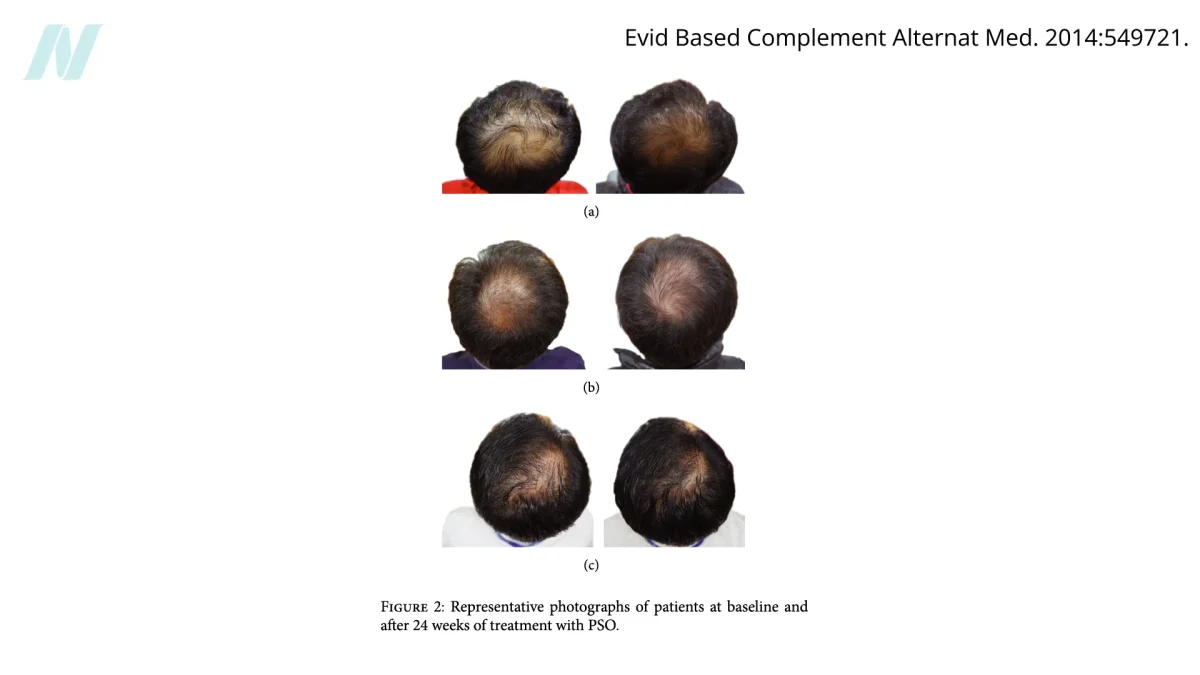
Those results are promising enough to justify further study, but the trial was small, lasted six months and included men with one type of hair loss. It doesn’t show whether the same effect would occur in women, in people with other causes of hair loss, or over longer periods. Nor does it establish that eating whole pumpkin seeds has the same effect as taking oil in capsules. The study also found no evidence of an effect on erectile function during the trial, but a study of this size can’t rule out every possible side effect.
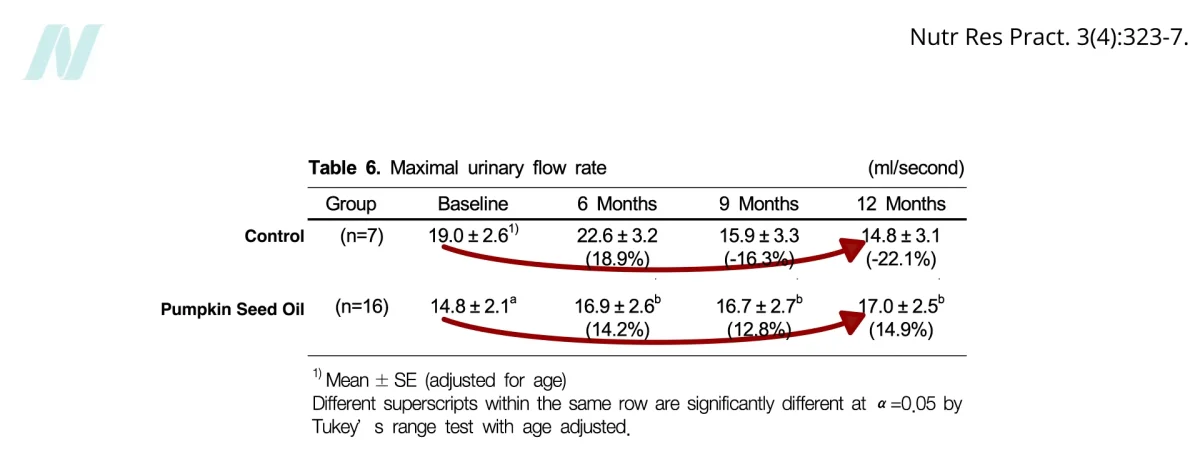
The interest in pumpkin seed oil partly followed an earlier study in men with benign prostatic hyperplasia, or an enlarged prostate. That study reported improved urinary flow with pumpkin seed oil. Researchers considered whether a possible effect on hormones related to prostate growth might also matter for hair loss. Results in mice using oil on the skin provided another research lead, but animal findings don’t confirm that eating seeds will help people.
What readers can take from the evidence
These studies offer reasons to keep investigating diet and hair growth, not proof that a particular food will reverse hair loss. Observational links can point researchers toward questions, while controlled trials can test a possible effect; even then, small or short studies leave uncertainty about who might benefit and whether results last.
A varied diet that includes vegetables, herbs, soy foods or seeds can fit into general healthy eating, but these findings don’t establish a hair-loss treatment or a required daily amount. People concerned about ongoing or sudden hair loss can discuss it with a doctor or dermatologist, who can assess possible causes and explain established options. A pharmacist or clinician can also help review supplements and medicines, since products marketed for hair growth may have risks or interact with other treatments.
The next useful evidence would come from larger, longer human studies that clarify which people, if any, benefit and whether whole foods produce effects similar to concentrated compounds. Until then, soy, peppers and pumpkin seed oil are research leads—not reliable stand-alone answers to hair loss.