Finasteride and minoxidil can help with pattern hair loss, but their side effects and the limits of long-term evidence matter when weighing options.
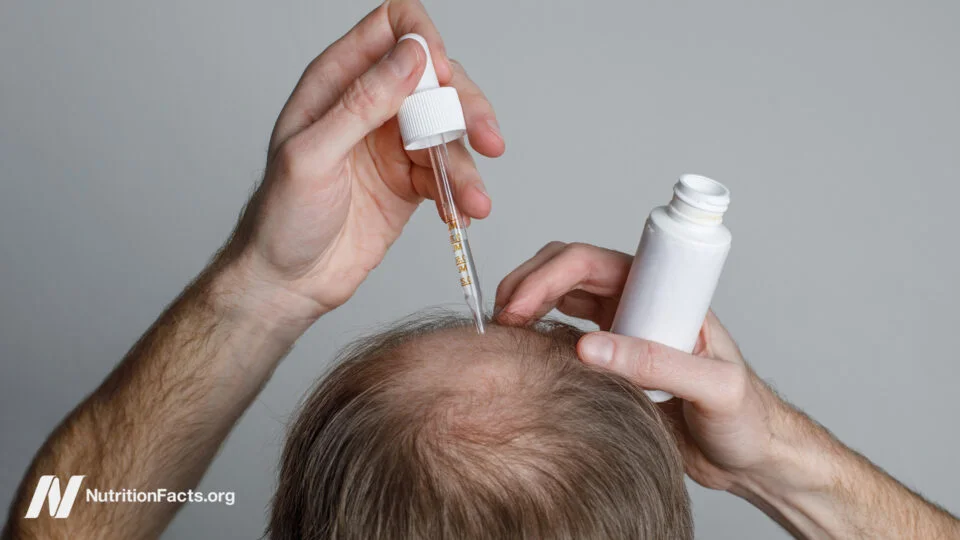
Finasteride and minoxidil are among the few medicines with good evidence for treating pattern hair loss. They may help, but neither is risk-free, and research on possible lasting effects of finasteride leaves important questions open. For people weighing treatment for a cosmetic concern, the practical issue is how a possible benefit compares with side effects and uncertainty over time.
What the medicines do
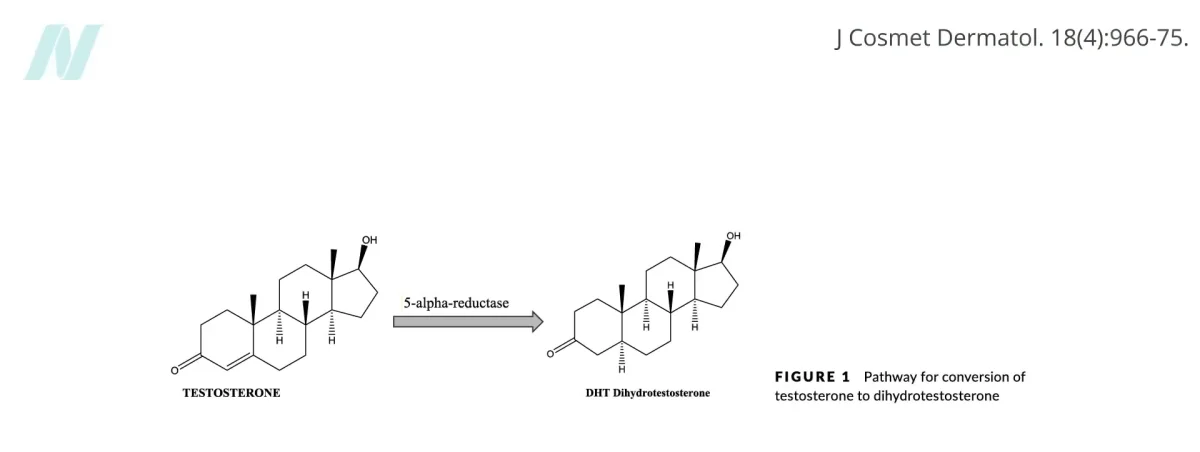
Finasteride, sold as Propecia, blocks 5-alpha reductase, an enzyme that converts testosterone into dihydrotestosterone (DHT). DHT is a more potent androgen, and androgen activity is involved in pattern hair loss. By reducing this conversion, finasteride may slow hair loss or support regrowth in some people.
Minoxidil, sold as Rogaine, is applied to the scalp. The source identifies it as an evidence-supported option, but does not describe its mechanism or provide comparisons of how well it works against finasteride. Results can vary, and these medicines don’t address every cause of hair loss. A clinician can help assess whether the pattern and history of hair loss fit the conditions these treatments are intended to address.
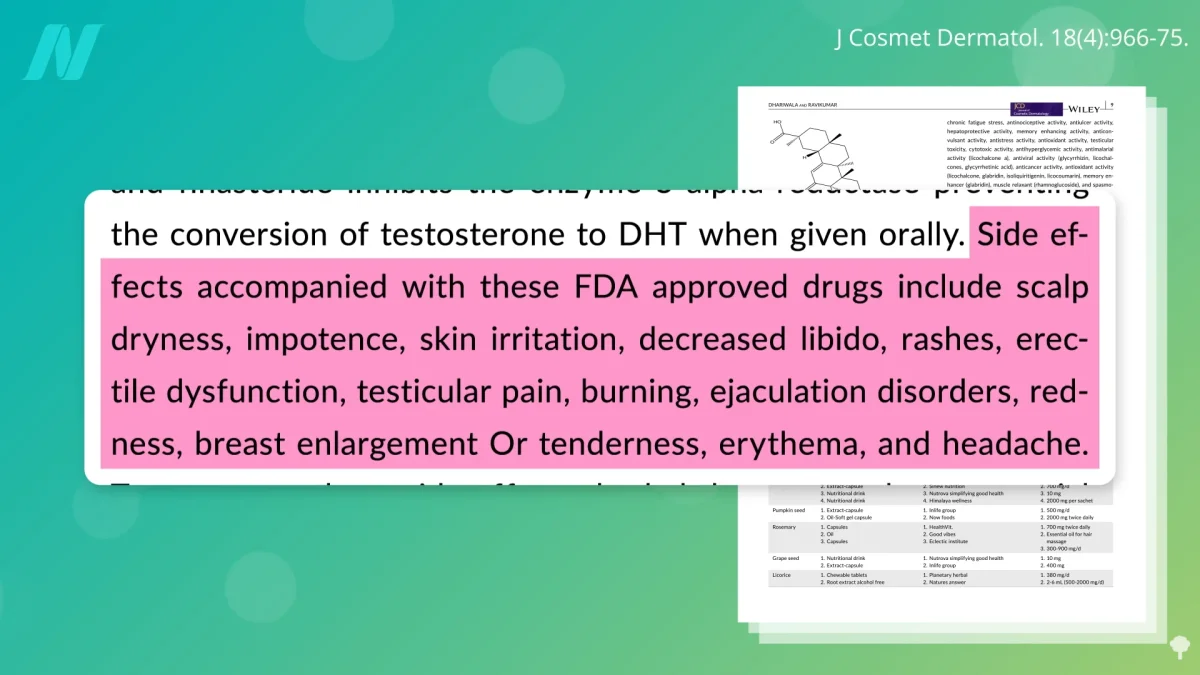
Both medicines can cause side effects. The source names reduced libido and sexual problems with finasteride, and scalp itching with topical minoxidil. It also describes possible hormonal effects of finasteride, including erectile difficulties, testicular pain and breast enlargement. These effects don’t happen to everyone, but they are relevant to a treatment decision.
What’s known about lasting effects
Some research cited in the source reports sexual difficulties that continued after people stopped taking finasteride. One study found that up to 20% of its participants reported persistent sexual dysfunction lasting six or more years. That figure comes from a particular study group; it does not establish how often lasting problems occur among all people who use the medicine, or prove that finasteride caused every reported case.
Researchers have also explored whether changes in neurosteroids—substances related to hormone activity in the brain—could help explain persistent symptoms. The source describes altered neurosteroid levels in cerebrospinal fluid among people reporting lasting effects, even when blood hormone levels appeared normal. These observations are a possible clue, not a settled explanation. They don’t show that everyone taking finasteride will experience brain changes or ongoing sexual problems.
The possibility of persistent effects deserves a careful discussion before treatment. Anyone experiencing sexual symptoms while taking finasteride, or after stopping it, can raise them with a doctor. A clinician can review the timing, other possible causes and available options. People shouldn’t have to interpret a concerning symptom on their own.
Why finasteride isn’t suitable for everyone
Because finasteride alters the conversion of testosterone to DHT, it can affect hormone-related processes beyond hair follicles. The source warns that the medicine can harm the development of a male fetus and says women should not take it. Anyone who is pregnant, could become pregnant, or has questions about exposure should discuss the medicine with a healthcare professional.
This mechanism helps explain why finasteride’s potential effects differ from the localized itching reported with topical minoxidil. It also underscores why information about who may be exposed matters when considering a medicine that affects hormone pathways.
Supplements and the limits of the evidence
Hair-loss products are widely marketed, but the source says evidence for effective treatment is strongest for finasteride and minoxidil. It cites a review describing the claim that all patented hair-growth supplements work as a myth. The article also compares annual costs: over-the-counter supplement regimens can exceed $1,000, while the medicines may cost $100 to $300. Prices vary, and these figures are the source’s estimates rather than a current quote for any particular product.
A supplement’s availability or marketing doesn’t show that it will help. Products may also differ in ingredients and cost, making comparisons difficult. People taking other medicines or considering supplements can ask a pharmacist or doctor about possible interactions and whether there’s evidence for the ingredients in question.
Putting the trade-offs in context
The source notes that no newer interventions are routinely used for male or female pattern baldness and points to a need for alternatives. That means treatment choices remain limited, while the evidence and risks differ between options. The research discussed here doesn’t establish a cure, guarantee regrowth or resolve how likely persistent finasteride effects are.
Hair loss can have different causes, so a discussion with a clinician can help clarify what may be driving it and whether a medicine’s likely benefits and known risks fit someone’s circumstances. A pharmacist can also explain side effects and answer questions about a specific product. The key takeaway is to weigh the evidence for potential hair benefits alongside the uncertainty and the possibility of adverse effects.
Doctor’s Note
This article is the second in a three-part series on hair loss and growth. The first video is Do Hair Growth Supplements Work? The source also links to a discussion of sexual dysfunction associated with antidepressants: Best Food for Antidepressant-Induced Sexual Dysfunction.
The original article’s accompanying video discusses these medicines at Pills for Hair Growth. Its first image lists common side effects:
The second image illustrates how testosterone can be converted into DHT by 5-alpha reductase: