Biotin, zinc and iron may help when a deficiency is present, but supplements haven’t been shown to boost hair growth in people with normal levels.
Hair loss is common, but that doesn’t mean a supplement will reverse it. By age 50, about half of men and women experience hair loss, and much of the change that comes with age is linked to genetics. Research on male pattern baldness estimates that genes account for about 79% of differences between men. That leaves room for other influences, but evidence for taking vitamins or minerals to grow hair is limited: supplements are most likely to help when a person has a relevant nutrient deficiency.
For people considering a hair product, the distinction matters. A nutrient can play a role in healthy hair without extra amounts improving growth when someone already gets enough. Taking more may also create problems, including interference with medical tests or, in some cases, harm from excessive intake.
Genes matter, but they aren’t the whole story
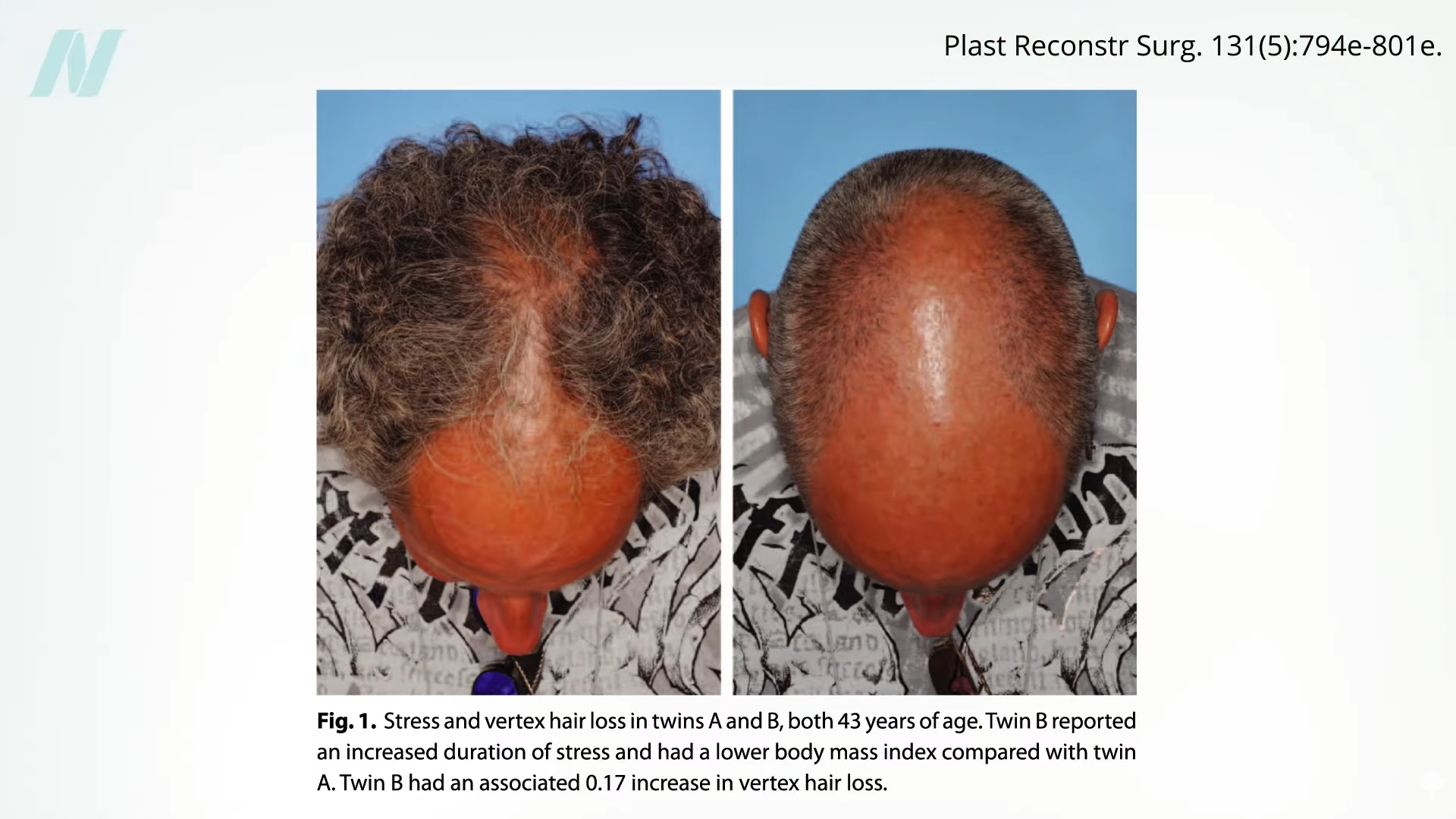
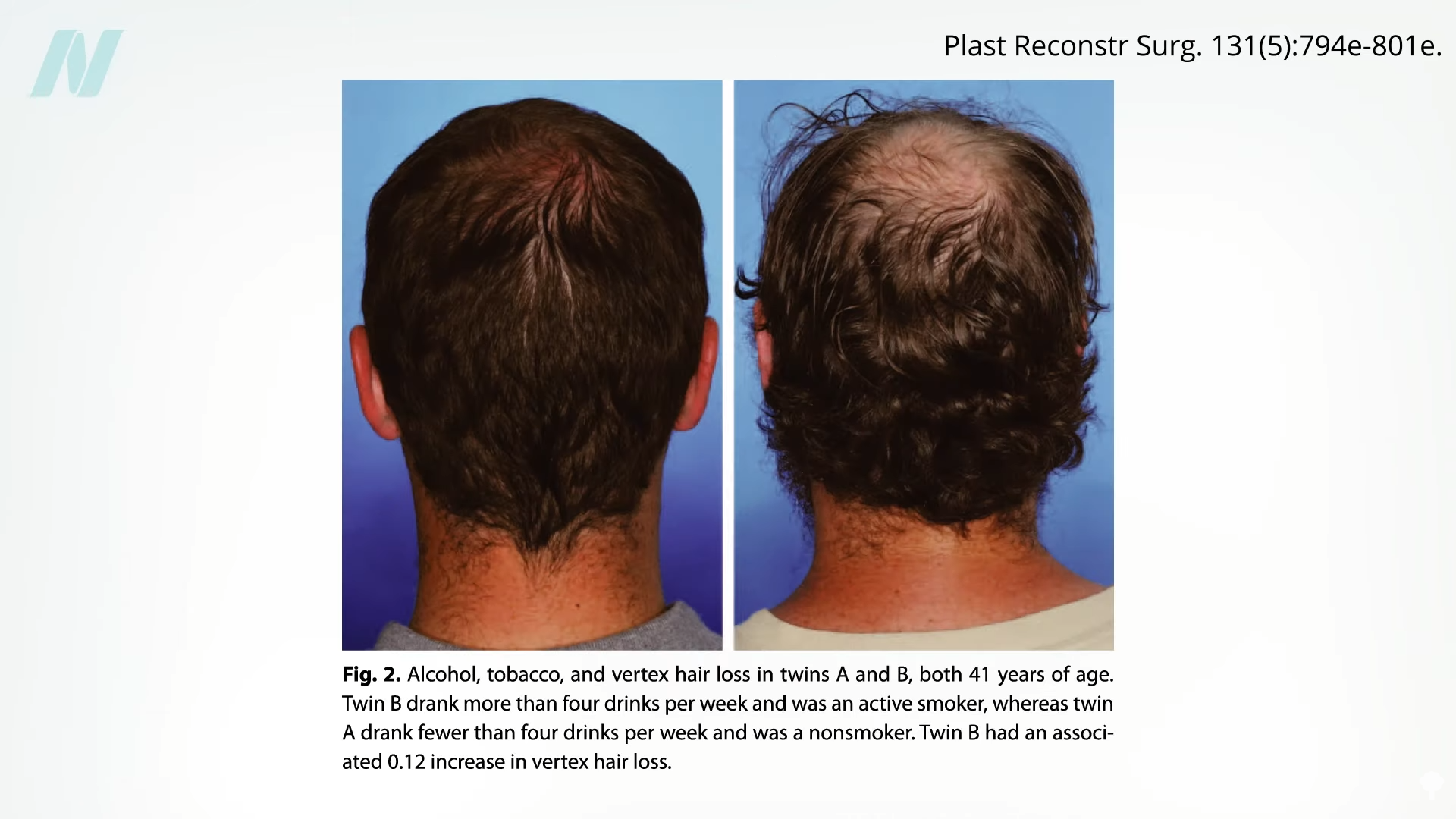
Studies of identical twins suggest that shared genes don’t determine every difference in hair loss. In one study, twins with the same DNA differed in factors such as stress, smoking, alcohol use, number of children, and health history. Those observations can point to possible influences, but they don’t establish that any one factor caused a particular person’s hair loss.
Smoking has been associated with hair loss in men and women. Researchers have proposed that compounds in cigarette smoke may damage the DNA of hair follicles or affect the small blood vessels around them. That evidence offers a possible explanation, rather than proof of what is behind an individual’s hair loss.
Some exposures can also affect hair. Mercury, for example, can accumulate in growing hair. The source describes a 43-year-old woman with hair loss and elevated mercury levels who ate a diet high in tuna. Her levels fell after she stopped eating it; her hair began to return within two months and had regrown by seven months. This is a single case, so it can’t show how often mercury explains hair loss or predict what will happen for someone else. It does illustrate why a clinician may consider a person’s diet and possible exposures when assessing unexplained symptoms.
When supplements may be relevant
Deficiencies in some nutrients can contribute to hair loss. Severe vitamin C deficiency, known as scurvy, is one example. But the source reports no evidence that vitamin C levels predict hair loss once a person has enough to avoid deficiency symptoms. The same basic distinction applies to zinc, iron and biotin: correcting a deficiency may be helpful, while taking extra when levels are already adequate has not been shown to promote hair growth.
Zinc deficiency can occur in people who misuse alcohol. But according to the research cited in the source, people with normal zinc levels shouldn’t expect extra zinc to increase hair growth. Iron supplements are also not a general hair growth treatment. Whether either nutrient is low is a matter to discuss with a health professional, who can consider symptoms, health history and appropriate testing.
Biotin, also called vitamin B7, is a common ingredient in products marketed for hair loss. A severe biotin deficiency can cause hair loss, but the source says there’s no good evidence that biotin supplements grow hair in people who aren’t deficient. Severe deficiency hasn’t been reported in healthy people eating a typical diet. It can occur in rare circumstances, including when compounds in raw egg whites interfere with biotin absorption.
More isn’t always harmless
High-dose biotin can interfere with certain blood tests. Some hair products contain amounts far above the recommended daily intake; the source cites products with up to 650 times that amount. Excess biotin in the blood can distort results for thyroid and other hormone tests, including pregnancy tests, as well as a test used to assess whether someone has had a heart attack. If you take biotin, tell your doctor or pharmacist before having blood work. They can explain whether the supplement could affect a test and what steps may be appropriate.
Supplement quality can also vary. The source describes an outbreak of selenium toxicity after a manufacturing error led to a product containing 200 times the amount stated on its label. Too much selenium can cause hair loss. Excess vitamin A can also contribute to hair loss. These examples show why a product sold for hair health isn’t automatically safe just because it contains familiar nutrients.
Hair loss can have different causes, including inherited patterns, health conditions, nutrient deficiencies and particular exposures. If it’s persistent, sudden, or accompanied by other changes in health, a clinician can help assess possible causes. A doctor or pharmacist can also review supplements and medications, and consider whether testing for a deficiency or exposure makes sense.
The practical takeaway is measured: biotin, zinc and iron aren’t established hair growth boosters for people with normal nutrient levels. A supplement may be relevant when a deficiency is present, but finding the reason for hair loss is a better starting point than assuming more of a nutrient will help.
Related reading: The Benefits and Risks of Hair Loss Drugs, What Foods Help Hair Growth?, and How to Lower Heavy Metal Levels with Diet.