Large observational studies link replacing some animal protein with plant protein to lower mortality, though they can’t prove the swaps caused the difference.
The question raised by research on protein isn’t simply how much people eat. It’s also which foods supply it. Several large observational studies have linked higher plant protein intake, or replacing some animal protein with plant protein, with lower risk of death. Those findings are worth attention, but they don’t prove that changing protein sources will extend anyone’s life.
What the studies found
A 2019 paper by Dr. David Katz and colleagues, including researcher David Jenkins, argued that protein quality is often defined through biochemical measures rather than a food’s broader relationship to health. Some measures favor animal proteins. That can leave the impression that meat, eggs and dairy are preferable protein sources, even though many dietary guidelines encourage eating more plant foods.
Protein deficiency remains a concern in some parts of the world. In industrialized countries, however, severe protein and calorie malnutrition is uncommon, while chronic illnesses are a major health concern. That difference matters when interpreting what “high quality” should mean: a measure based on how the body uses protein may not capture the health effects associated with the whole food or dietary pattern.
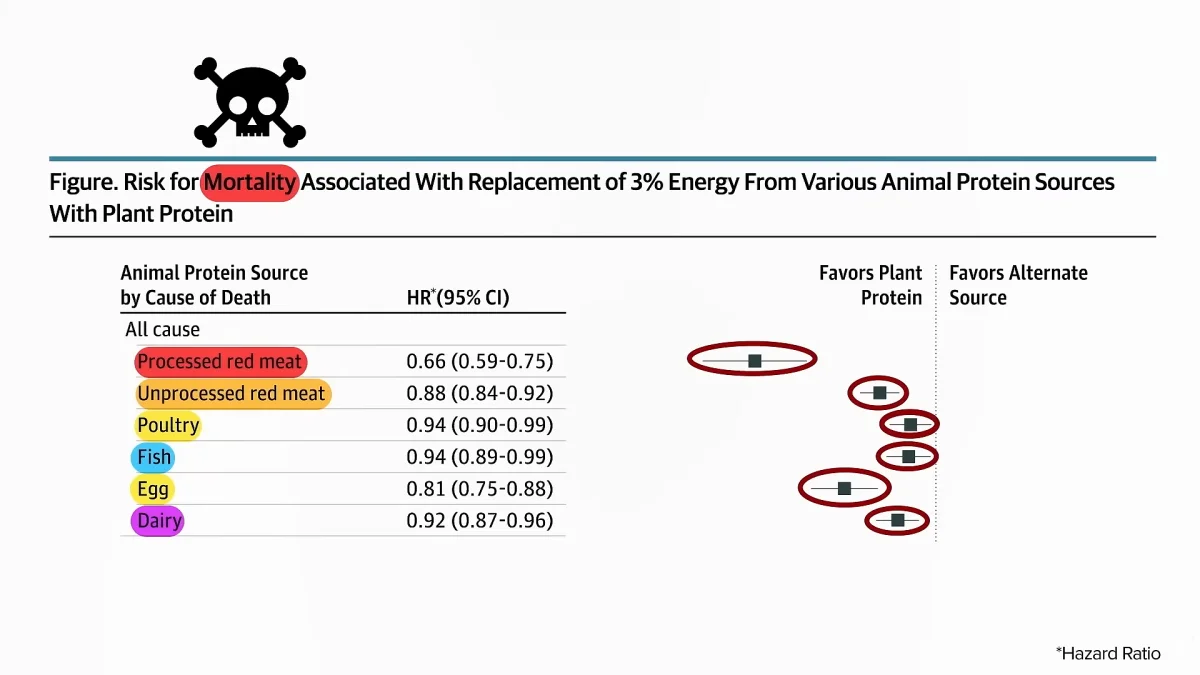
A 2016 study followed more than 100,000 people and examined what happened when some animal protein was replaced with plant protein. Replacing 3% of protein from animal sources with plant protein was associated with lower risk of premature death. The analysis considered several factors, including saturated fat intake, which makes fat alone a less complete explanation for the observed association. It still can’t rule out every difference between people’s diets and lifestyles, or establish that protein source itself caused the outcome.
The animal foods considered included processed and unprocessed meat, poultry, fish, eggs and dairy. The researchers reported particularly concerning associations for processed meat and egg protein. These results describe patterns across a group; they don’t predict an individual’s risk or show that any one food has the same effect for everyone.
A separate analysis of about 400,000 participants in the U.S. NIH-AARP Diet and Health Study reported a similar pattern. Replacing 3% of calories from animal protein with plant protein was associated with 10% lower overall mortality. The reported association was larger when egg protein was also replaced. Because this was a cohort study, participants weren’t randomly assigned to diets. Differences in health, food choices and other habits may influence the results.
Why the source might matter
Protein is made of amino acids, but foods that contain protein also differ in other components. Plant proteins tend to contain lower amounts of branched-chain amino acids than animal proteins. Researchers have proposed that this difference could help explain some observed metabolic effects. Studies cited in the research suggest that lower branched-chain amino acid intake may improve metabolic health, but that does not establish that these amino acids explain the mortality associations.
Another possible pathway involves insulin-like growth factor 1, or IGF-1, a hormone involved in growth. The source article describes research linking animal protein intake with higher IGF-1 and other research associating naturally higher IGF-1 levels with greater risk of conditions such as type 2 diabetes and heart disease. These findings make IGF-1 a possible piece of the explanation; they don’t show that animal protein causes those diseases through this pathway.
Researchers have also raised the possibility that environmental pollutants, including dioxins and polychlorinated biphenyls, could contribute. Such pollutants can accumulate through food chains, and some animal foods may carry them. This is a proposed explanation, not proof that contaminants account for the results of the diet studies. More research would be needed to distinguish among these possibilities and other factors.
How to read the overall evidence
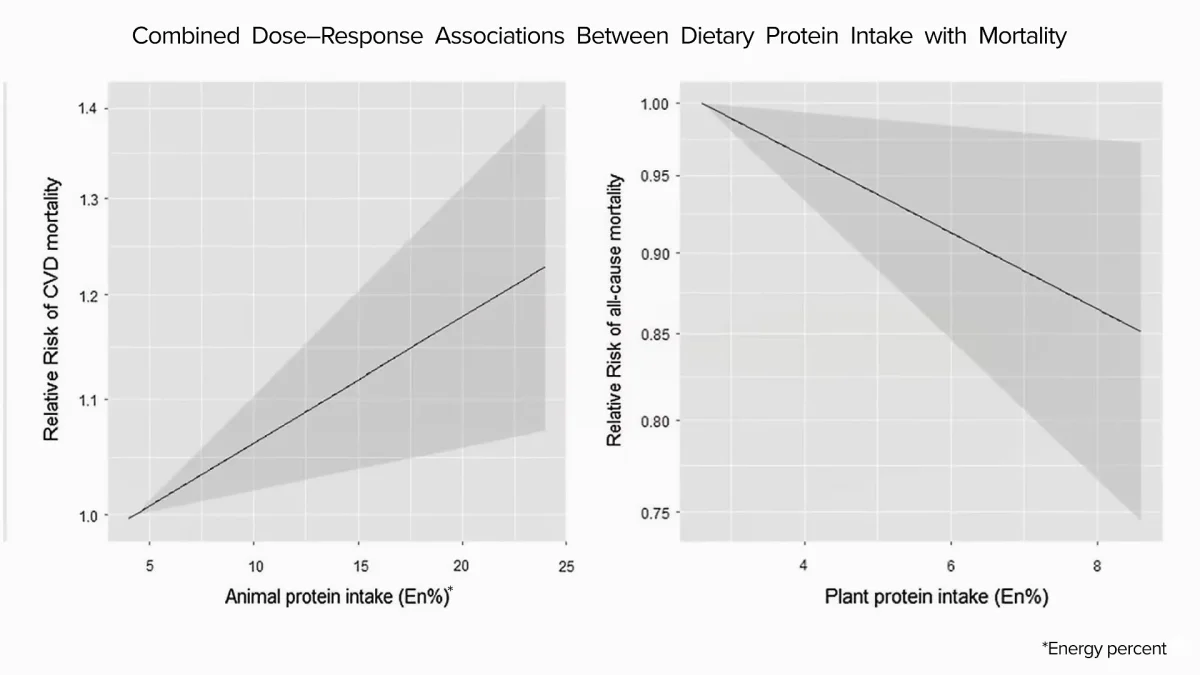
A meta-analysis combining studies of dietary protein and mortality found that higher protein intake was associated with shorter life, with the pattern mainly linked to animal protein. Plant protein intake, by contrast, was associated with lower mortality. A separate meta-analysis concluded that increasing plant protein intake could potentially reduce risk of death.
These pooled results bring together multiple studies, but the underlying evidence is largely observational. People who eat more plant protein may differ in other ways from those who eat more animal protein. Statistical adjustments can account for measured factors, but they can’t eliminate all confounding or establish cause and effect. The findings therefore support a possible benefit of replacing some animal protein with plant protein; they don’t establish a precise target or guarantee a health outcome.
For readers, the practical point is about the overall pattern of food choices. Beans, lentils, nuts, seeds and other plant foods can provide protein as part of varied meals. This evidence doesn’t show that everyone needs to avoid animal foods, nor does it answer whether a particular product, such as plant-based meat, is beneficial overall. The food’s other ingredients and its place in a person’s diet also matter.
People with dietary restrictions, health conditions, or questions about meeting their nutritional needs can discuss their circumstances with a doctor or registered dietitian. The research gives a reason to take protein sources seriously, while leaving open how much of the observed difference is caused by the protein itself. Future studies that better separate food sources from the many habits that travel with them will help clarify that question.