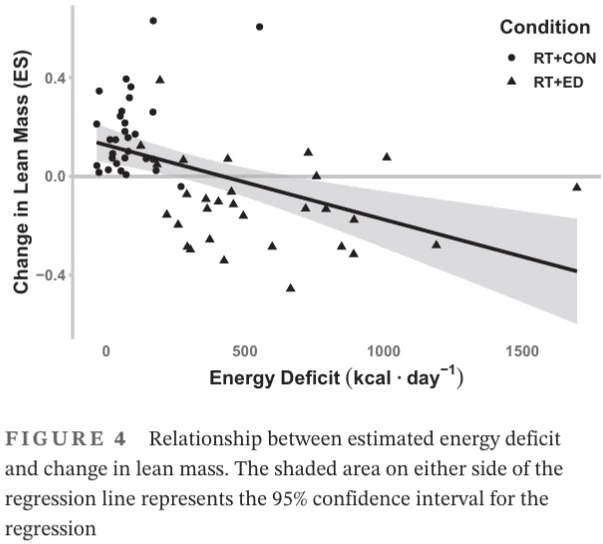
Body Recomposition: Can You Gain Muscle While Losing Fat?
Research suggests muscle gain and fat loss can happen together, especially near maintenance, though results depend on training and body composition.
Latest stories
Research suggests muscle gain and fat loss can happen together, especially near maintenance, though results depend on training and body composition.
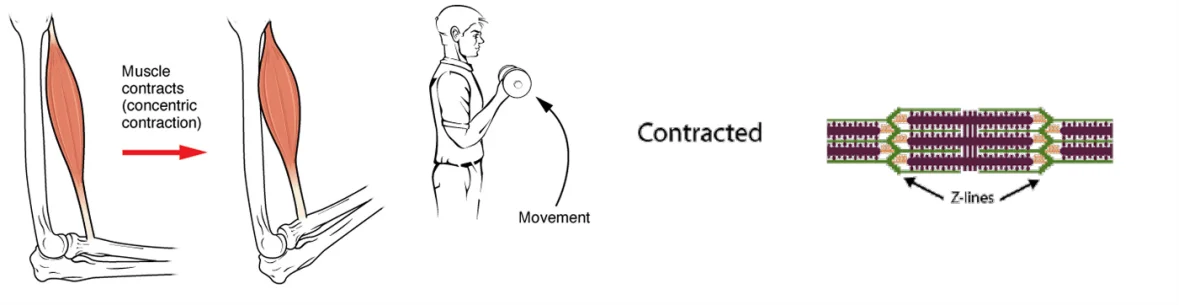
Isometric training can build strength and muscle, but results depend on the exercise and how it’s programmed alongside dynamic training.
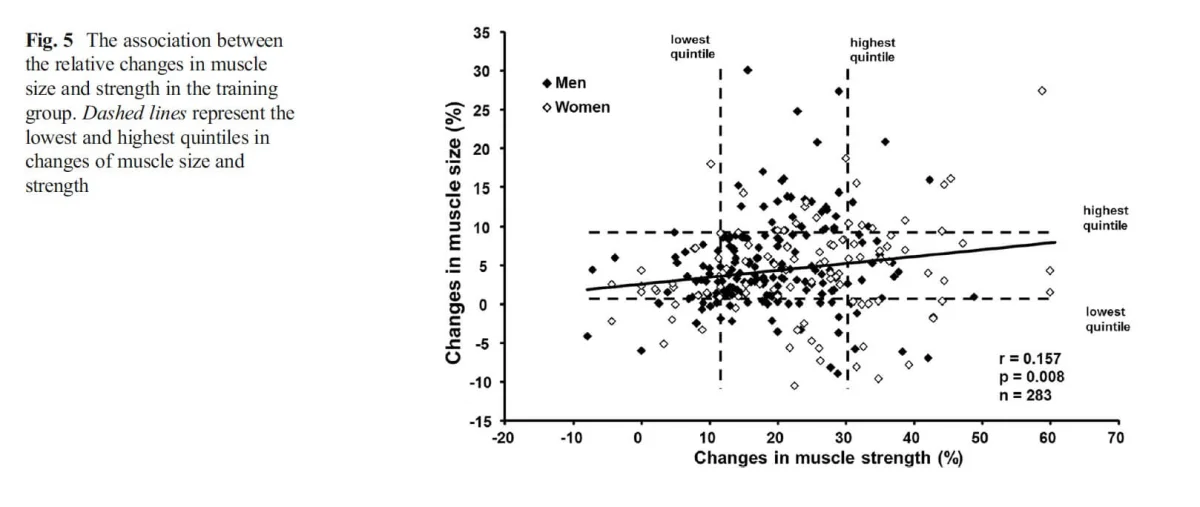
A 15-week trial found links between muscle growth and strength gains, but its very high correlations need cautious interpretation.
October brought new cancer treatment approvals, mixed trial results and early signals in pancreatic cancer, alongside major radiopharmaceutical and drug develop...
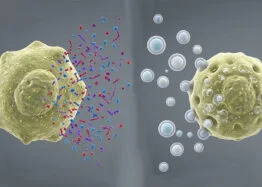
A cell study found that senescent cells can affect neighbors through vesicles, even when they release few familiar inflammatory signals.
A bacterial fatty acid lowered cholesterol and plaque in mice through a pathway also targeted by statins. Human studies are still needed.
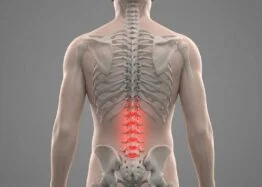
Cell and rat experiments link ZNF865 with disc cell damage and senescence, but they don’t show that changing the gene can treat back pain in people.
In a 16-week trial of 25 adults, a low-fat vegan diet was linked to lower blood sugar, liver fat and body weight. Larger studies are needed.
A small midlife study identified protein changes linked to menopause, while four older women’s cohorts connected the pattern with later cognitive health.
A review argues that total SIRT1 and NAD+ levels may miss how well cells respond to stress, and says the proposed measure still needs testing in people.
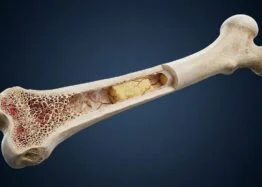
In mice, blocking STING alongside NMN supplementation preserved bone measures, but the small study doesn’t show whether the approach benefits people.
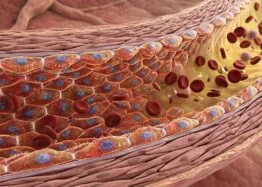
Cell and animal findings link MTR4 to lower signs of vessel cell aging, but they don’t show whether targeting it could benefit people.
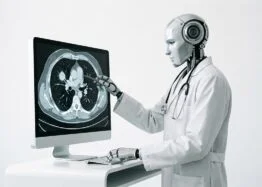
A study of more than 52,000 people found that CT scan patterns were linked to lab results and diagnoses, but clinical usefulness remains unproven.
In mice, hypothalamic cilia helped connect NAD+ and calorie restriction with healthier metabolic measures. The findings need confirmation in people.
The Atlantic’s new selection spans poetry, plays, short stories and novels, from Philip Sidney’s 1591 work to a 2024 novel.
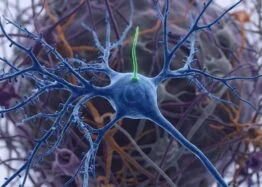
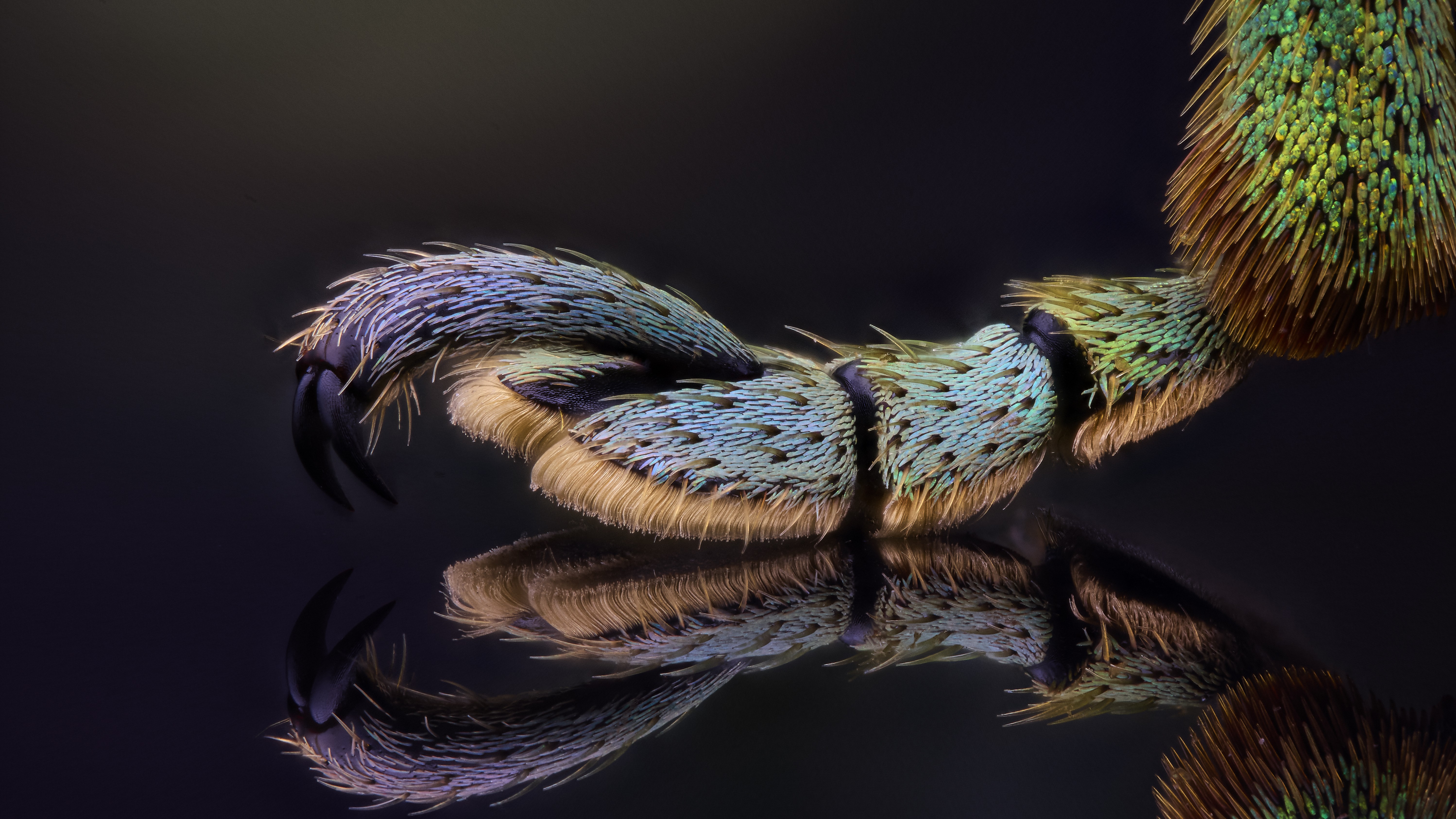
Nikon Small World 2026 honors images of insects, neurons, algae and other tiny subjects, showing how microscopy can make hidden structures visible.
A disputed AI flag highlights how familiar literary conventions can invite suspicion—and why detection results alone can’t establish who wrote a story.
Rapid data center expansion is straining utilities and testing community support, as regions weigh the costs of infrastructure built for generative AI.
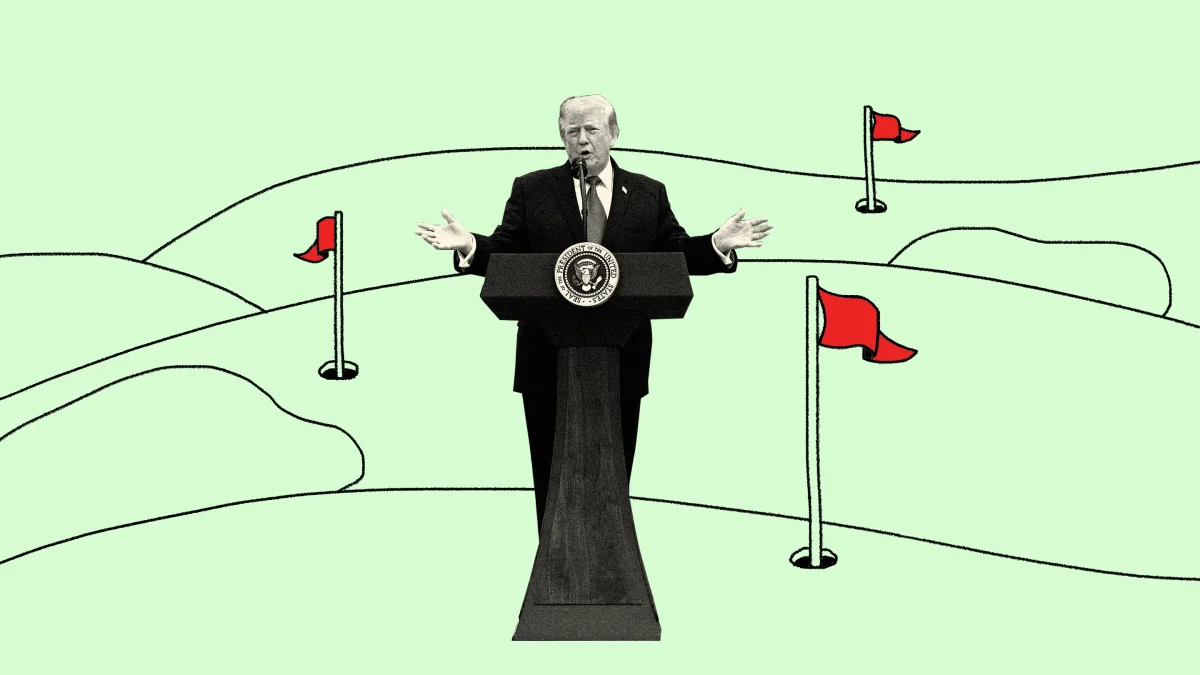
Please, I beg you, Mr. President, do not stop talking about the golf course.
Vivek Ramaswamy’s ad questions Amy Acton’s account of childhood abuse, despite supporting records, and has drawn criticism from across the political spectrum.